 中文版
中文版





releaseTime:2025-12-23 09:01:36source:Mu TiannumberOfPageViews:0
Common Malfunctions Analysis and Improvement Suggestions for Explosion-proof Hand Chain Crane Trolley
Abstract
Explosion-proof hand chain crane trolleys are essential equipment in hazardous environments such as explosive gas zones and flammable dust areas. However, due to their complex structures and high safety requirements, they are prone to various malfunctions. This paper analyzes common malfunctions of explosion-proof hand chain crane trolleys, including electrical system failures, mechanical component damages, and safety protection device issues, and proposes corresponding improvement suggestions to enhance their operational reliability and safety.
1. Introduction
Explosion-proof hand chain crane trolleys are specialized lifting devices designed for use in hazardous environments where explosive gases or flammable dust may be present. They play a crucial role in ensuring safe and efficient material handling operations. However, due to their complex structures and high safety standards, these trolleys are susceptible to a range of malfunctions that can compromise their performance and safety. This paper aims to analyze common malfunctions of explosion-proof hand chain crane trolleys and propose effective improvement suggestions.
2. Common Malfunctions Analysis
2.1 Electrical System Failures
Switch Problems:
Malfunction Description: Switch failures may occur due to substandard quality of the switches themselves or improper installation techniques. These failures can prevent the trolley from being turned off after operation, leading to more severe issues.
Impact: Switch problems can cause electrical shorts, overheating, and even fires, posing significant safety risks.
Cable and Connection Issues:
Malfunction Description: Damaged cables or poor connections between the power supply and the trolley can result in a loss of power or intermittent operation.
Impact: Cable and connection issues can disrupt normal operations and increase the risk of electrical accidents.
Electrical Component Failures:
Malfunction Description: Components such as resistors, controllers, and contactors may fail due to overheating, voltage surges, or manufacturing defects.
Impact: Electrical component failures can lead to loss of control, unexpected movements, or complete system shutdowns.
2.2 Mechanical Component Damages
Wheel and Track Problems:
Malfunction Description: wheel deviation from tracks can occur due to improper operation, overloading, or misalignment during installation. This can cause excessive wear on wheels and tracks, leading to reduced operational efficiency and increased maintenance costs.
Impact: Wheel and track problems can affect the stability and maneuverability of the trolley, increasing the risk of accidents.
Brake System Failures:
Malfunction Description: Brake system failures may manifest as abnormal wear, displacement of brake components, or damaged brake pads. These failures can result in insufficient braking force or complete brake failure.
Impact: Brake system failures can lead to uncontrolled movements of the trolley, posing serious safety hazards.
Hoisting Mechanism Issues:
Malfunction Description: Problems with the hoisting mechanism, such as rope jumping, uneven winding, or broken ropes, can occur due to improper operation, high hoisting speeds, or incorrect rope selection.
Impact: Hoisting mechanism issues can cause load instability, rope breakage, or even load drops, resulting in property damage or personal injury.
2.3 Safety Protection Device Issues
Limit Switch Failures:
Malfunction Description: Limit switches may fail to operate correctly due to damage, misalignment, or electrical faults. This can prevent the trolley from stopping at the designated limits, leading to overtravel and potential collisions.
Impact: Limit switch failures can compromise the safety of the trolley and its surroundings, increasing the risk of accidents.
Overload Protection Device Malfunctions:
Malfunction Description: Overload protection devices may fail to activate or provide inaccurate readings due to sensor failures, calibration issues, or tampering. This can allow the trolley to operate beyond its safe working load, leading to structural damage or component failures.
Impact: Overload protection device malfunctions can result in catastrophic failures of the trolley, endangering personnel and equipment.
Emergency Stop Device Ineffectiveness:
Malfunction Description: Emergency stop devices may become ineffective due to mechanical failures, electrical faults, or improper maintenance. This can prevent the trolley from being stopped quickly in emergency situations, increasing the risk of accidents.
Impact: Emergency stop device ineffectiveness can have severe consequences in hazardous environments, where quick response times are critical for preventing accidents.
3. Improvement Suggestions
3.1 Electrical System Improvements
Enhance Switch Quality and Installation:
Suggestion: Use high-quality switches that meet explosion-proof standards and ensure proper installation techniques are followed. Conduct regular inspections and testing of switches to identify and replace faulty ones promptly.
Strengthen Cable Management:
Suggestion: Use explosion-proof cables and connectors that are suitable for the operating environment. Implement a regular cable inspection and maintenance program to detect and repair damaged cables or poor connections.
Improve Electrical Component Reliability:
Suggestion: Select electrical components from reputable manufacturers that offer high reliability and explosion-proof ratings. Implement a preventive maintenance program that includes regular testing and replacement of components based on their expected lifespans.
3.2 Mechanical Component Enhancements
Optimize Wheel and Track Design:
Suggestion: Design wheels and tracks that are resistant to wear and misalignment. Implement a regular inspection and maintenance program to detect and correct wheel deviation from tracks promptly. Provide training to operators on proper operation techniques to minimize wheel and track damage.
Strengthen Brake System Performance:
Suggestion: Use high-quality brake components that are suitable for the operating environment and load requirements. Implement a regular brake inspection and maintenance program that includes testing of braking force and adjustment of brake components as needed.
Improve Hoisting Mechanism Reliability:
Suggestion: Select appropriate hoisting ropes and accessories based on the load requirements and operating conditions. Implement a regular hoisting mechanism inspection and maintenance program that includes checking for rope wear, uneven winding, and proper rope tension. Provide training to operators on proper hoisting techniques to minimize the risk of rope jumping or breakage.
3.3 Safety Protection Device Upgrades
Enhance Limit Switch Accuracy and Reliability:
Suggestion: Use high-precision limit switches that are suitable for the operating environment and load requirements. Implement a regular limit switch inspection and calibration program to ensure accurate operation. Provide training to operators on the importance of limit switches and how to detect and report malfunctions.
Strengthen Overload Protection Device Functionality:
Suggestion: Use reliable overload protection devices that provide accurate readings and activate promptly when the load exceeds the safe working limit. Implement a regular overload protection device inspection and testing program to ensure proper functionality. Provide training to operators on the importance of overload protection and how to avoid overloading the trolley.
Ensure Emergency Stop Device Effectiveness:
Suggestion: Use high-quality emergency stop devices that are easy to operate and provide immediate stopping action. Implement a regular emergency stop device inspection and testing program to ensure proper functionality. Provide training to operators on the location and operation of emergency stop devices and the importance of using them in emergency situations.
4. Conclusion
Explosion-proof hand chain crane trolleys are vital equipment in hazardous environments, but they are prone to various malfunctions that can compromise their performance and safety. By analyzing common malfunctions and proposing corresponding improvement suggestions, this paper aims to enhance the operational reliability and safety of explosion-proof hand chain crane trolleys. Implementing these suggestions can help reduce the risk of accidents,extend the service life of the trolleys, and improve overall operational efficiency
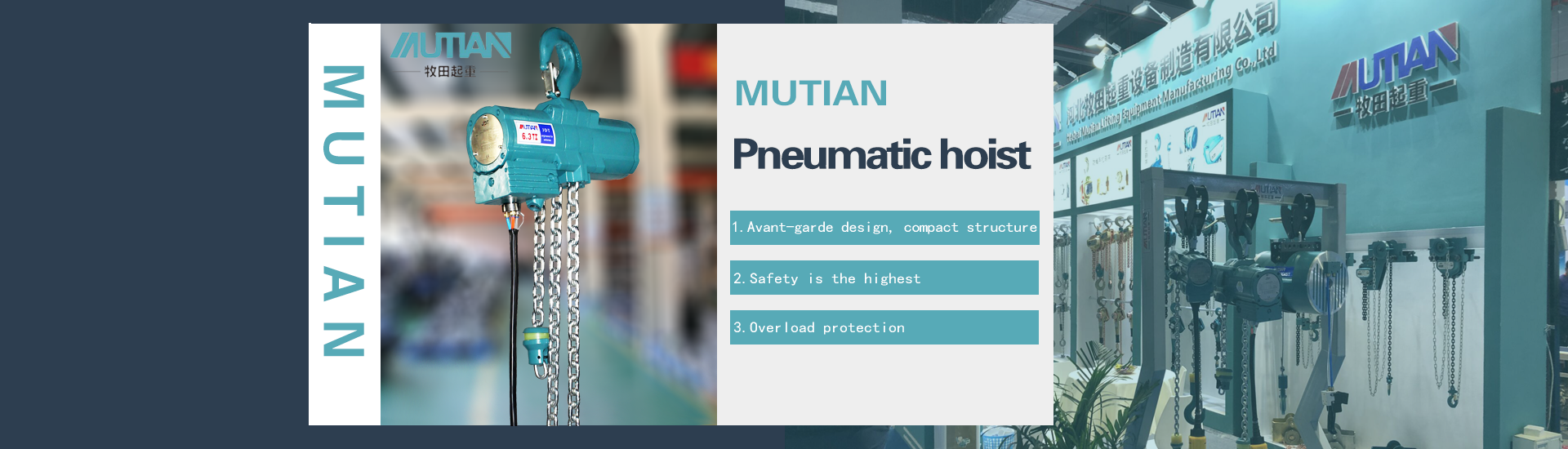
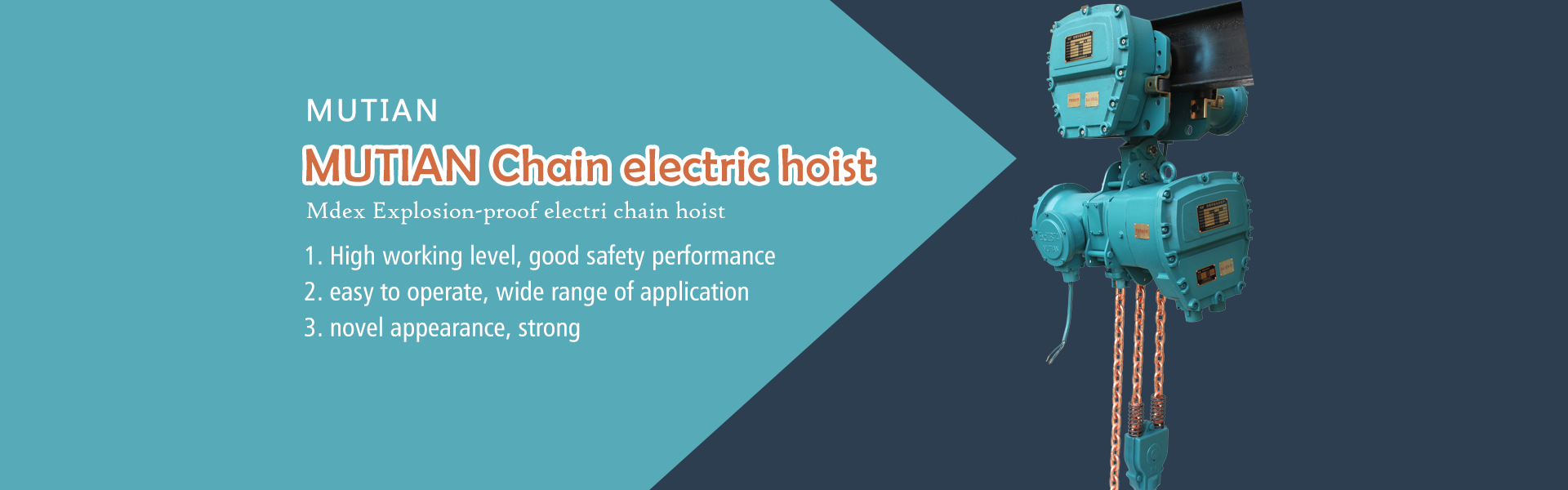
The main equipment produced by Hebei Makita: stage electric hoist, electric chian hoist, wire rope electric hoist,Hand chain hoist, lever hoist, pneumatic hoist and other lifting equipment
 phone
phone
 service
 message
 e-mail
