 中文版
中文版




releaseTime:2025-12-24 08:37:58source:Mu TiannumberOfPageViews:0
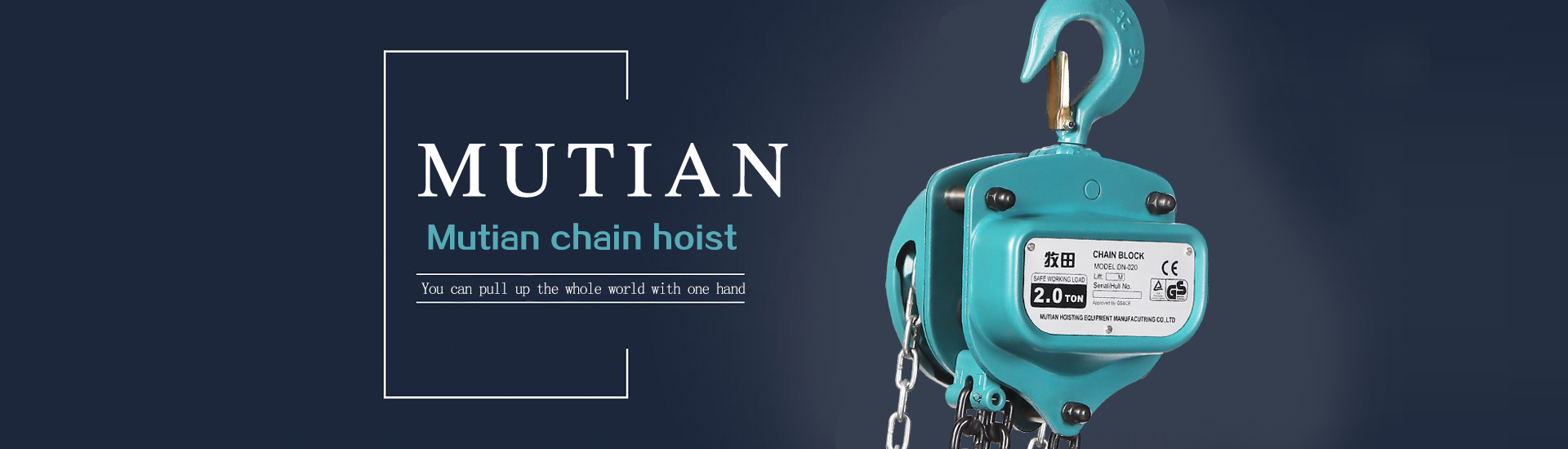
The lever chain hoist, also known as a ratchet lever hoist or come-along, offers several distinct advantages that make it a preferred choice for lifting, pulling, and positioning heavy loads in various industrial, construction, and maintenance applications. Below are its key benefits:
1. Portability and Compact Design
Lightweight and Easy to Carry:
Lever chain hoists are typically smaller and lighter than electric or pneumatic hoists, making them highly portable. They can be easily transported by hand to remote or confined work areas.
Example: A 1-ton lever hoist may weigh as little as 10 kg, allowing a single worker to carry it up a ladder or scaffolding.
Space-Efficient Storage:
Their compact size enables easy storage in toolboxes, trucks, or workshops when not in use.
2. Manual Operation (No External Power Required)
No Electricity or Air Supply Needed:
Lever chain hoists operate purely through manual force, eliminating the need for power sources like electricity, batteries, or compressed air. This makes them ideal for:
Outdoor work sites without power access.
Emergency rescue operations.
Temporary setups where wiring or hoses would be impractical.
Cost-Effective:
No energy consumption reduces operational costs, and there’s no need for expensive power infrastructure.
3. Precise Control and Versatility
Incremental Lifting/Pulling:
The ratchet mechanism allows for fine adjustments, enabling precise positioning of loads. Each pump of the lever moves the chain a fixed distance (e.g., 5 mm per stroke), ensuring controlled movement.
Example: Installing a delicate piece of machinery where millimeter-level accuracy is required.
Bidirectional Operation:
Most lever hoists can lift up or down and pull horizontally, adapting to diverse tasks like:
Lifting loads vertically (e.g., hoisting materials to a roof).
Pulling objects horizontally (e.g., tensioning cables or aligning equipment).
Variable Speed:
The operator can control the speed by adjusting the lever’s pumping rate—slow for precision or fast for rapid movement.
4. High Durability and Low Maintenance
Robust Construction:
Built with high-strength alloy steel chains, forged hooks, and heat-treated gears, lever hoists withstand heavy use and harsh environments without deformation or failure.
Example: A hoist used daily in a foundry remains functional despite exposure to heat and metal shavings.
Corrosion Resistance:
Many models feature zinc-plated or stainless-steel components to resist rust, making them suitable for outdoor or marine applications.
Minimal Maintenance:
Simple mechanical design reduces the need for frequent repairs. Regular lubrication and inspection of the chain and gears are typically sufficient to ensure longevity.
5. Safety Features
Automatic Load Braking:
A friction-based brake system holds the load securely when the lever is released, preventing accidental drops. This is critical for safety when working at height or over people.
Example: A worker can pause mid-lift to adjust their grip without risking the load slipping.
Overload Protection:
Some models include shear pins or clutches that disengage if the load exceeds the rated capacity, protecting the hoist and operator from damage.
Example: A 3-ton hoist with a shear pin will break at 3.5 tons, signaling an overload before failure occurs.
Safety Latches on Hooks:
Spring-loaded latches prevent the load from accidentally detaching during operation.
6. Cost-Effectiveness
Lower Initial Investment:
Lever chain hoists are generally cheaper than electric or hydraulic alternatives, making them accessible for small businesses or occasional users.
Long Service Life:
Durable materials and simple mechanics ensure a long operational lifespan, reducing replacement costs over time.
No Operating Costs:
Since they don’t require power, there are no ongoing energy or fuel expenses.
7. Ease of Use
Intuitive Operation:
No specialized training is needed—operators can quickly learn to use a lever hoist by pumping the lever to lift and releasing it to lower.
Ergonomic Design:
Many models feature comfortable grips and balanced lever forces to reduce fatigue during prolonged use.
Quick Setup:
Attach the hoist to an anchor point, hook the load, and start working—no complex installation required.
8. Wide Range of Capacities
Scalable Lifting Power:
Lever chain hoists are available in capacities ranging from 0.5 tons to 20 tons, accommodating light-duty tasks (e.g., hanging a gate) to heavy industrial applications (e.g., lifting engine blocks).
Modular Extensions:
Some hoists allow for chain length adjustments or additional attachments (e.g., slings, shackles) to handle varied load sizes and shapes.
9. Applications Across Industries
Lever chain hoists are used in:
Construction: Lifting steel beams, concrete forms, or scaffolding.
Manufacturing: Moving heavy machinery or raw materials on assembly lines.
Warehousing: Loading/unloading trucks or stacking pallets.
Mining: Pulling equipment or securing loads in underground tunnels.
Marine: Hoisting anchors or positioning boats on dry docks.
Emergency Services: Rescue operations or disaster relief.
Example Scenario
A maintenance team needs to replace a faulty valve on a piping system located 5 meters above the ground. Using a lever chain hoist:
The hoist is suspended from a sturdy beam anchor.
The old valve is attached to the hook with a sling.
The operator pumps the lever to lower the valve safely to the ground.
The new valve is lifted into place with equal precision.
The entire process is completed in minutes without needing scaffolding or electricity.
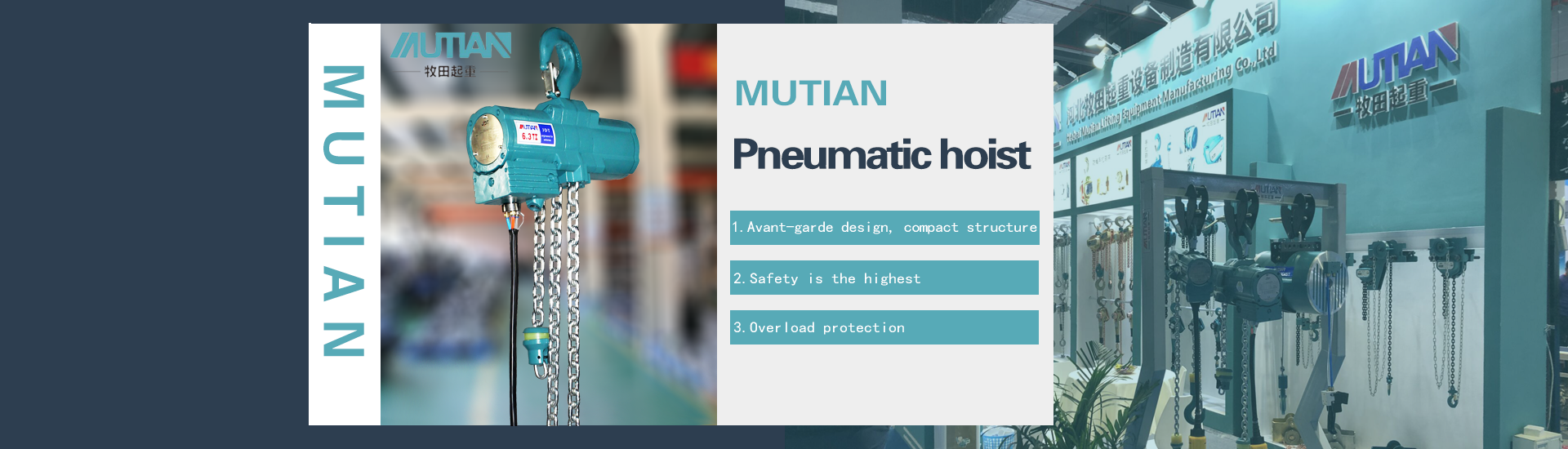
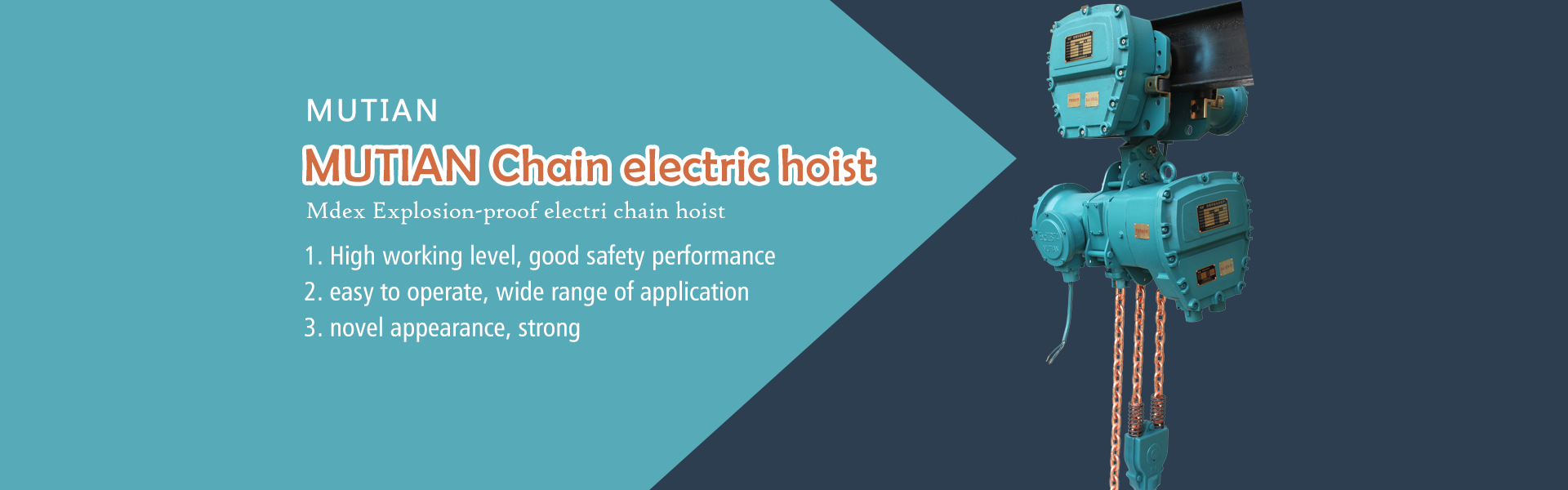
The main equipment produced by Hebei Makita: stage electric hoist, electric chian hoist, wire rope electric hoist,Hand chain hoist, lever hoist, pneumatic hoist and other lifting equipment
 phone
phone
 service
 message
 e-mail
