 中文版
中文版




releaseTime:2025-07-23 08:53:08source:Mu TiannumberOfPageViews:0
Forklifts are indispensable pieces of equipment in warehouses, distribution centers, construction sites, and various industrial settings, offering numerous advantages that enhance operational efficiency, safety, and cost-effectiveness. Here are the key benefits of using forklifts:
1. Increased Efficiency and Productivity
Rapid Material Handling: Forklifts can lift, move, and stack heavy loads quickly, reducing the time and effort required for manual handling. This speeds up processes like loading/unloading trucks, organizing inventory, and transporting goods within a facility.
Streamlined Workflows: By automating repetitive tasks, forklifts minimize downtime and allow workers to focus on higher-value activities, boosting overall productivity.
2. Enhanced Safety
Reduced Physical Strain: Forklifts eliminate the need for manual lifting, lowering the risk of musculoskeletal injuries (e.g., back strains) caused by heavy lifting.
Controlled Operations: Modern forklifts are equipped with safety features like seatbelts, alarms, and stability systems (e.g., anti-tip technology) to prevent accidents.
Operator Training: Certified training programs ensure operators handle forklifts safely, reducing the likelihood of collisions or mishaps.
3. Versatility and Adaptability
Multiple Attachments: Forklifts can be fitted with specialized attachments (e.g., clamps, rotators, side shifters) to handle diverse materials like drums, pallets, or irregularly shaped items.
Indoor/Outdoor Use: Electric forklifts are ideal for indoor environments (e.g., warehouses), while diesel/LPG models suit outdoor or rugged terrain.
Compact Design: Narrow-aisle forklifts maximize storage space by maneuvering in tight areas, improving warehouse density.
4. Cost Savings
Labor Efficiency: Fewer workers are needed to move heavy loads, reducing labor costs over time.
Reduced Product Damage: Precise handling minimizes damage to goods during transport, lowering replacement costs.
Longevity: Durable construction and regular maintenance extend a forklift’s lifespan, providing long-term value.
5. Improved Inventory Management
High Stacking Capability: Forklifts can stack pallets vertically, optimizing vertical storage space and enabling better organization.
Quick Retrieval: Easy access to stored items reduces time spent searching for inventory, improving order fulfillment speed.
6. Scalability
Flexible Capacity: Forklifts come in various load capacities (e.g., 1–50 tons), allowing businesses to scale operations as needed without overinvesting.
Rental Options: For short-term projects, renting forklifts is cost-effective compared to purchasing.
7. Time-Sensitive Operations
Just-in-Time (JIT) Support: Forklifts enable rapid movement of goods, aligning with JIT inventory practices to minimize storage costs and waste.
24/7 Operation: Electric forklifts with fast-charging batteries support continuous shifts without interruption.
8. Environmental Benefits (Electric Models)
Zero Emissions: Electric forklifts produce no exhaust fumes, making them suitable for indoor use and eco-friendly.
Lower Noise Levels: Quieter operation improves workplace comfort and reduces noise pollution.
9. Data Integration (Smart Forklifts)
Telematics and IoT: Modern forklifts can be equipped with sensors to track usage, maintenance needs, and operator performance, enabling predictive maintenance and operational insights.
10. Compliance with Regulations
OSHA/Safety Standards: Using certified forklifts ensures adherence to workplace safety regulations, avoiding fines and legal risks.
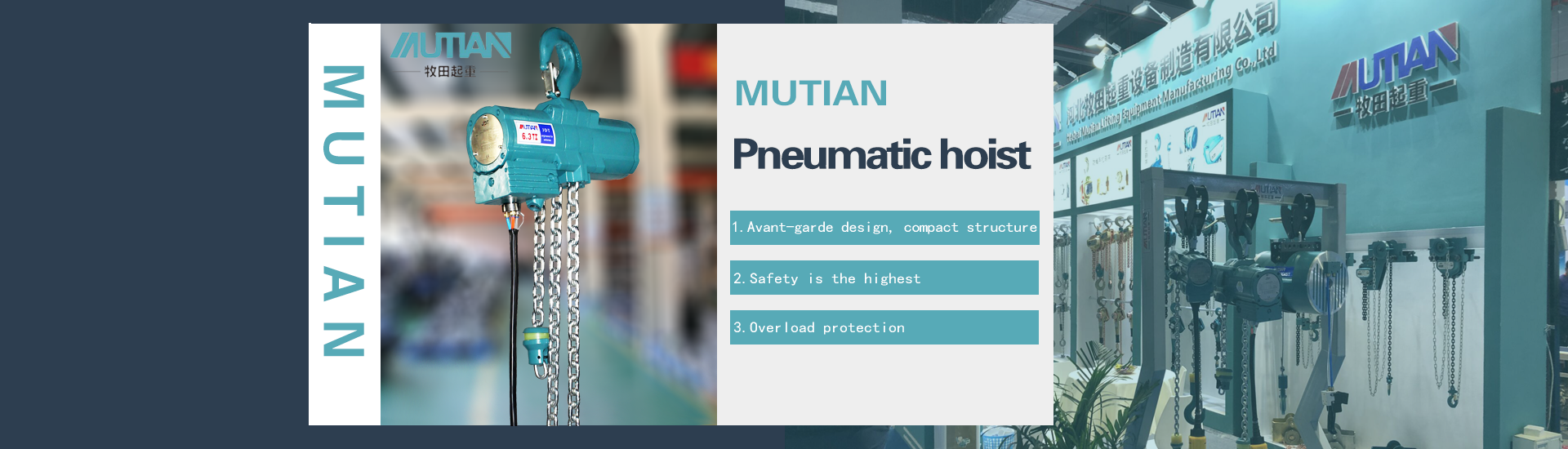
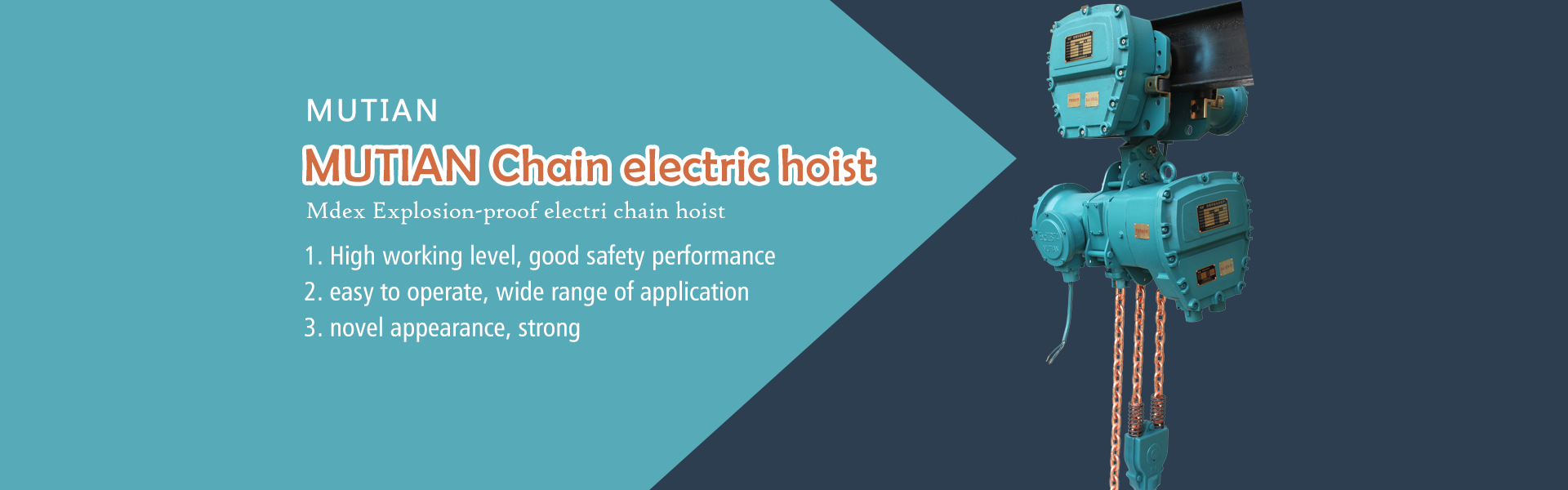
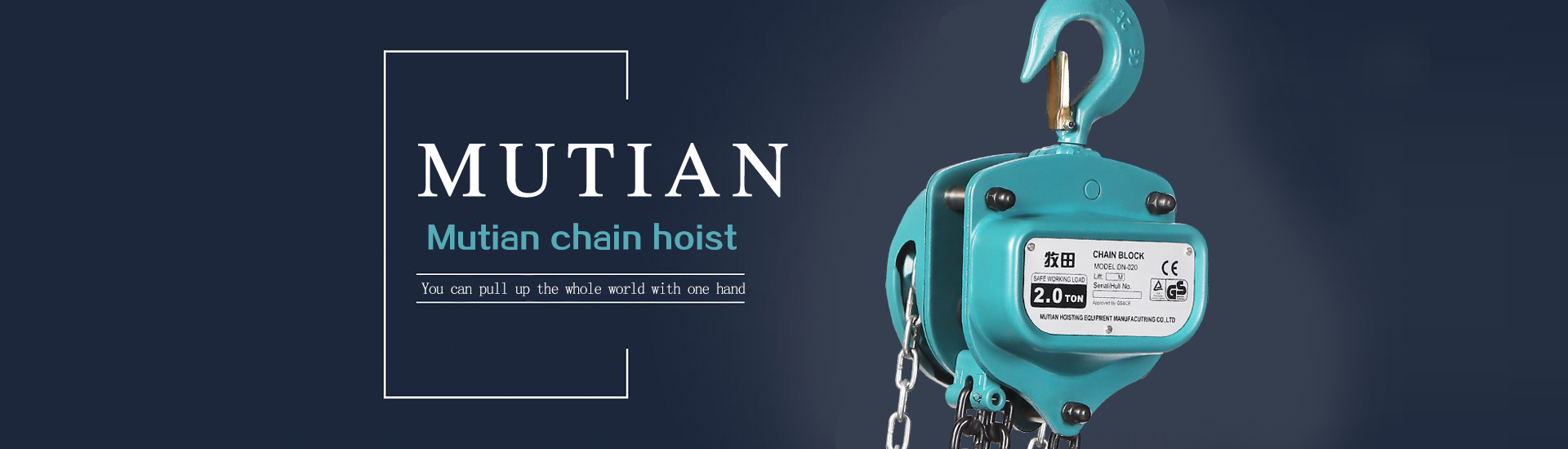
The main equipment produced by Hebei Makita: stage electric hoist, electric chian hoist, wire rope electric hoist,Hand chain hoist, lever hoist, pneumatic hoist and other lifting equipment
 phone
phone
 service
 message
 e-mail
