 中文版
中文版





releaseTime:2026-01-05 08:56:45source:Mu TiannumberOfPageViews:0
A lever chain hoist is a manual lifting equipment based on the principle of leverage and chain transmission. It drives a gear system through an operating handle to lift, tow, or position heavy objects. It is widely used in industries, construction, logistics, and other fields.
Core Structure and Principles
Composition: mainly including handle, gear set, lifting chain, hook and braking device. The up and down movement of the handle amplifies the torque through gears, and the chain wraps or releases around the sprocket, driving the hook up and down.
Leverage principle: By applying a small force through a short force arm (handle) and amplifying it through a gear system, a large lifting force is generated at the end of the long force arm (chain), achieving a "labor-saving lever" effect. The typical mechanical advantage can reach 1:5 to 1:10.
Braking system: equipped with ratchet brakes or friction pad brakes to prevent heavy objects from slipping and ensure safe operation.
Main effects and applications
Effortless and efficient: manual operation can lift heavy objects ranging from hundreds of kilograms to several tons, suitable for scenarios without power or limited space, such as equipment maintenance, cargo loading and unloading, steel structure installation, etc.
Precise control: The fine lifting or positioning of heavy objects is achieved through the small movements of the handle, suitable for tasks that require precise adjustment.
Portable and flexible: small in size, light in weight, easy to carry and move, suitable for outdoor, high-altitude or narrow space operations.
Cost advantage: Compared to electric or hydraulic lifting equipment, it has lower procurement and maintenance costs, making it suitable for budget limited or temporary use scenarios.
Pros and Cons Analysis
Advantages: simple structure, intuitive operation, easy maintenance, low cost, strong adaptability.
Disadvantages: The manual operation speed is slow, the load capacity is limited by the equipment specifications, and long-term use is prone to fatigue. It is necessary to regularly check the chain wear, braking performance, and gear lubrication.
Safety precautions
Overloading is strictly prohibited and the rated load of the equipment must be strictly followed.
Before operation, check whether the chain, hook, braking device, and handle are intact to avoid damaging the equipment.
During the lifting process, maintain the stability of the heavy object, avoid shaking or impact, and the operator should stand in a safe position.
Regular maintenance and upkeep, such as lubricating gears, replacing worn chains, testing braking performance, etc.
The lever type chain crane, with its labor-saving, flexible, and economical characteristics, has become an indispensable auxiliary tool in industrial production, playing an important role in improving operational efficiency, reducing labor intensity, and ensuring operational safety. When selecting, it is necessary to match the equipment specifications and strictly comply with safety regulations based on specific factors such as load, height, environment, and frequency of use.
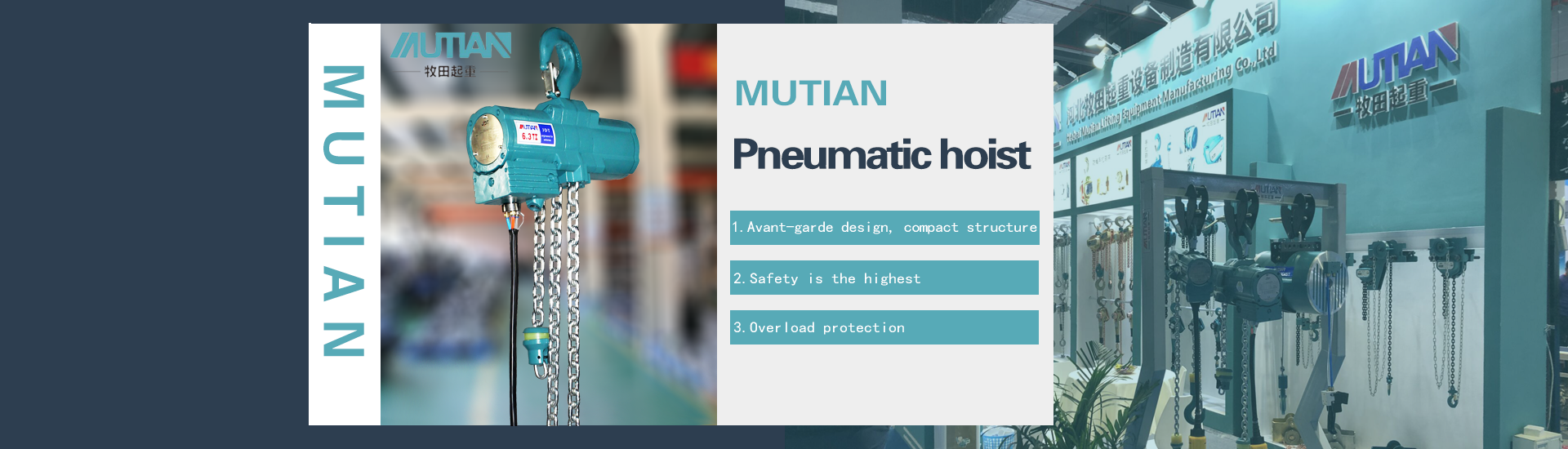
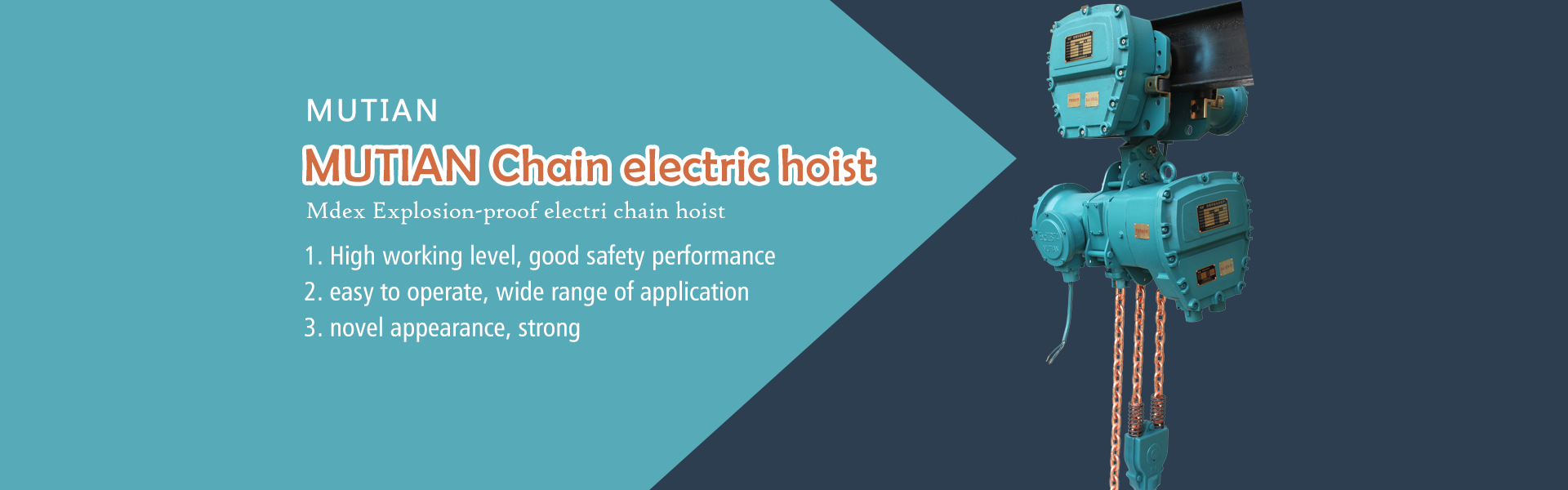
The main equipment produced by Hebei Makita: stage electric hoist, electric chian hoist, wire rope electric hoist,Hand chain hoist, lever hoist, pneumatic hoist and other lifting equipment
 phone
phone
 service
 message
 e-mail
