 中文版
中文版





releaseTime:2025-10-25 08:26:55source:Mu TiannumberOfPageViews:0
To ensure the operational quality of the pneumatic balance crane, a quality assurance system needs to be constructed from six core dimensions: equipment stability, reliability, operating standards, maintenance, environmental management, and personnel training. The specific implementation points are as follows:
1、 Stability Control: Dynamic Balance and Air Pressure Management
Optimization of Pneumatic System Design
The cylinder size and structure need to match the load weight to ensure stable air pressure output under different working conditions (such as sudden load changes and environmental temperature changes). For example, the cylinder piston rod should be made of high-strength wear-resistant materials to reduce friction loss during long-term use.
The sensitivity of the control valve needs to be precisely adjusted, and the pressure sensor can monitor the air pressure in real time to achieve a smooth transition of load rise and fall, avoiding shaking caused by sudden acceleration or deceleration.
Dynamic load balancing adjustment
When the load increases, the system should respond quickly and increase air pressure to counteract gravity; When the load decreases, the air pressure needs to decrease synchronously to prevent the load from suddenly rising. For example, when lifting irregularly shaped materials, it is necessary to use specialized lifting equipment or fixtures to ensure the stability of the center of gravity and avoid equipment imbalance caused by unbalanced loads.
Environmental factor protection
Temperature changes may cause fluctuations in air pressure, and air pressure compensation allowances need to be reserved in equipment design; When the humidity is high, it is necessary to strengthen the sealing performance of the pneumatic system, regularly check whether the trachea and joints are aging or leaking, and prevent air pressure leakage from affecting stability.
2、 Reliability assurance: materials, redundancy, and safety mechanisms
High reliability materials and processes
Key components such as cylinders and piston rods need to be made of high-strength alloy steel, and the internal structures of control valves and pressure regulators need to be precision machined to ensure precise control of air pressure. For example, regularly check the wear of cylinders, replace seals in a timely manner, and prevent pressure fluctuations caused by manufacturing defects.
Redundant design and fault warning
Introducing redundant pneumatic circuits, the backup circuit will automatically start when the main circuit fails, ensuring the continuous operation of the equipment. At the same time, an overload protection device is installed. When the load exceeds the rated value, the system automatically stops and alarms to avoid equipment damage.
Security protection mechanism
Equipped with an emergency stop button, the operator can quickly cut off the gas source and stop the equipment operation when an abnormality is detected. In addition, a wind speed monitoring device should be installed to suspend lifting operations when the wind speed exceeds a safe threshold (such as 10 meters per second) to prevent the wind from affecting stability.
3、 Operational norms: Standardized processes and risk prevention and control
Pre operation inspection
Before starting, it is necessary to check the air source pressure (usually 0.4-0.6MPa), whether the air pipe and joint are loose, and whether the filter is clean to ensure the stability of the air source system. At the same time, check whether the lifting equipment (such as wire ropes and hooks) is intact and avoid using equipment with signs of wear or damage.
Standardized operating procedures
When lifting, start slowly to avoid sudden acceleration; Maintain a constant speed during movement and avoid sharp turns or rapid changes in direction. For example, the lifting height shall not exceed the prescribed range to prevent collision with obstacles; When landing, it should be smooth and slow. After confirming that the material has landed, release the hook.
Risk prevention and control measures
Overloading, unbalanced loading, or illegal operations are strictly prohibited, such as standing under materials or moving equipment during lifting. Operators are required to wear safety helmets, gloves, protective goggles, and other equipment to reduce the risk of accidental injury.
4、 Maintenance: Regular inspections and preventive repairs
Maintenance of gas source system
Regularly check the air source pressure, clean or replace the filter to prevent impurities from entering the pneumatic system. For example, check the trachea monthly for aging and cracks, and replace damaged parts in a timely manner.
Lubrication of moving parts
Regularly apply lubricating grease to the cylinder and piston rod to ensure smooth movement; Add lubricating oil to components such as pulleys and bearings to prevent wear and tear. For example, chains or wire ropes need to be regularly coated with anti rust oil to extend their service life.
Inspection of lifting equipment and load components
Regularly check whether the hook has cracks or deformations, whether the steel wire rope has broken wires or wear, and replace it in a timely manner if necessary. At the same time, calibrate the load sensor to ensure that the measurement accuracy meets the requirements.
5、 Environmental Management: Optimization of Homework Conditions
Preparation of homework site
Ensure that the work site is flat and solid, without standing water, snow, or obstacles. For example, when working on soft ground, it is necessary to lay pads or reinforce the foundation to prevent the support legs from sinking and causing equipment to overturn.
Weather condition monitoring
Equipped with a wind speed monitor to monitor real-time changes in wind speed. Suspend lifting operations during extreme weather conditions such as strong winds and thunderstorms to ensure the safety of personnel and equipment.
6、 Personnel Training: Skill Enhancement and Safety Awareness Enhancement
Qualification certification and operational training
Operators must hold a nationally or industry recognized operating certificate, regularly participate in safety training, and update their operating skills. For example, through case analysis, simulation exercises, and other methods, improve operators' understanding of equipment performance and load characteristics.
Enhancing safety awareness
Emphasize the concept of "safety first, prevention oriented" through lectures, promotional slogans, and other means. For example, operators are required to strictly follow operating procedures and are prohibited from working under the influence of alcohol, fatigue, or operating without a license.
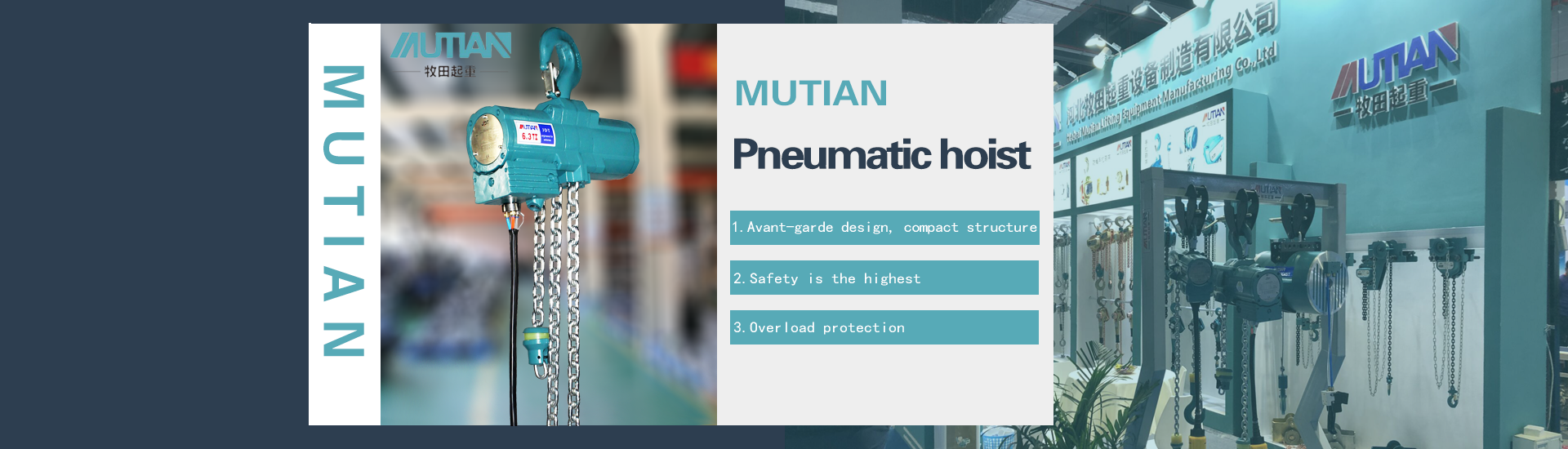
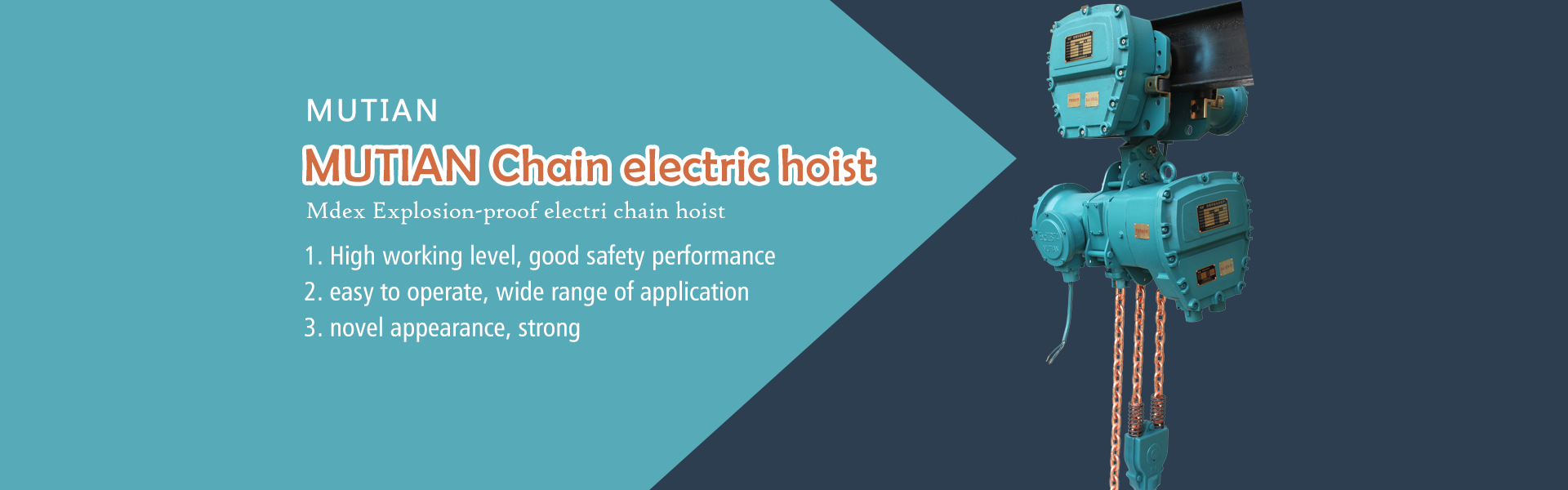
The main equipment produced by Hebei Makita: stage electric hoist, electric chian hoist, wire rope electric hoist,Hand chain hoist, lever hoist, pneumatic hoist and other lifting equipment
 phone
phone
 service
 message
 e-mail
