 中文版
中文版





releaseTime:2025-07-19 09:25:39source:Mu TiannumberOfPageViews:0
To extend the service life of forklifts, systematic management is required in four aspects: daily operation norms, regular maintenance plans, maintenance of key components, and reinforcement of safety awareness. Specific measures are as follows:
1. Daily operation norms: reduce non-essential losses
Check before startup
Check the levels of hydraulic oil, engine oil, and coolant to ensure they are within the safe range indicated by the scale.
Confirm that the tire pressure is normal (insufficient pressure can easily lead to uneven tread wear), and check the flexibility of the brake system and steering gear.
Clean the dirt from the fork carriage, door frame slideway, generator, and other parts to prevent impurities from entering the mechanical structure.
Precautions during operation
Load control: The forks must be fully inserted into the bottom of the cargo, and the mast should be tilted backward to maintain stability; avoid overload or uneven loading (such as picking up cargo with a single fork).
Driving regulations:
Keep the height of the forks above the ground at 300-400mm, and tilt the mast backward to reduce the height of the center of gravity.
Slow down when turning, and avoid sudden braking or high-speed turning to prevent rollover.
Driving on a slope: Drive forward on an uphill, and reverse on a downhill. Do not turn or brake suddenly.
Environmental adaptation: Reduce speed and drive slowly on wet, slippery roads or potholed areas to avoid severe bumps.
Parking and vehicle collection
Lower the forks to the ground, tilt the mast forward, tighten the handbrake, shift to neutral, and cut off the power.
When parking on a slope, use blocks to secure the wheels to prevent the vehicle from rolling away.
II. Regular maintenance plan: phased maintenance
Routine maintenance (after each shift)
Clean the appearance and key components of the forklift (such as the radiator and air filter).
Check the fastening of various parts (such as the support of the fork carriage, wheel screws, etc.).
Drain the sediment from the engine oil filter to prevent impurities from entering the lubrication system.
Level 1 technical maintenance (accumulated 100 hours/2 weeks)
Replace the engine oil, clean the oil filter, and check the cylinder pressure or vacuum level.
Adjust the valve clearance, as well as the clearance between the brake pad and the brake drum, to ensure sensitive braking.
Check whether the transmission shifting and multi-way reversing valve work normally.
Level 2 technical maintenance (accumulated 500 hours/quarter)
Clean the hydraulic oil tank, torque converter, and gearbox, and replace worn seals.
Disassemble and inspect the main reducer and differential, and adjust the axial clearance of the bearing.
Check the specific gravity of the battery electrolyte, and remove it for charging if necessary.
Long-term deactivation for maintenance
Recharge the battery once a month (if it has been out of use for more than 30 days) to prevent battery sulfation.
Perform a balanced charge once a month to prevent battery capacity degradation.
III. Special maintenance of key components
hydraulic system
Replace the hydraulic oil every 6 months, using oil that matches the original model.
Check the hydraulic cylinder, oil hose, and connectors for oil leaks, and replace aging seals in a timely manner.
Tire management
Replace the tire when the tread depth is less than 1.6 millimeters to avoid using excessively worn tires.
Regularly check the air pressure. If it's too high, it may cause a tire blowout; if it's too low, it will increase rolling resistance.
electrical system
Clean the battery electrodes to prevent oxidation and corrosion; check whether the wiring connections are secure.
Avoid letting metal substances fall into the battery to prevent short circuits.
Chain components
Clean the lifting chain and the crane chain, and apply lubricating oil to reduce wear.
Check the chain for cracks and replace damaged parts in a timely manner.
IV. Strengthening safety awareness: preventing accident risks
Operation qualification
Only certified drivers are allowed to operate forklifts, and they must undergo regular refresher training to update their skills.
Safety device inspection
Conduct daily tests on the horn, lights, and backup alarm functions to ensure clear signals.
Check the integrity of the safety belt and overhead guard, and prohibit people from standing on or under the forks.
Emergency Management
Develop emergency response plans for accidents such as forklift rollovers and collisions, and conduct regular drills.
Stop the machine immediately after the collision and inspect it. Use it again only after confirming that there is no damage.
V. Data-based maintenance management (optional)
Introduce a Computerized Maintenance Management System (CMMS) to record maintenance times, replacement parts, and fault history.
Predict component lifespan through data analysis, formulate replacement plans in advance, and reduce unexpected failures.
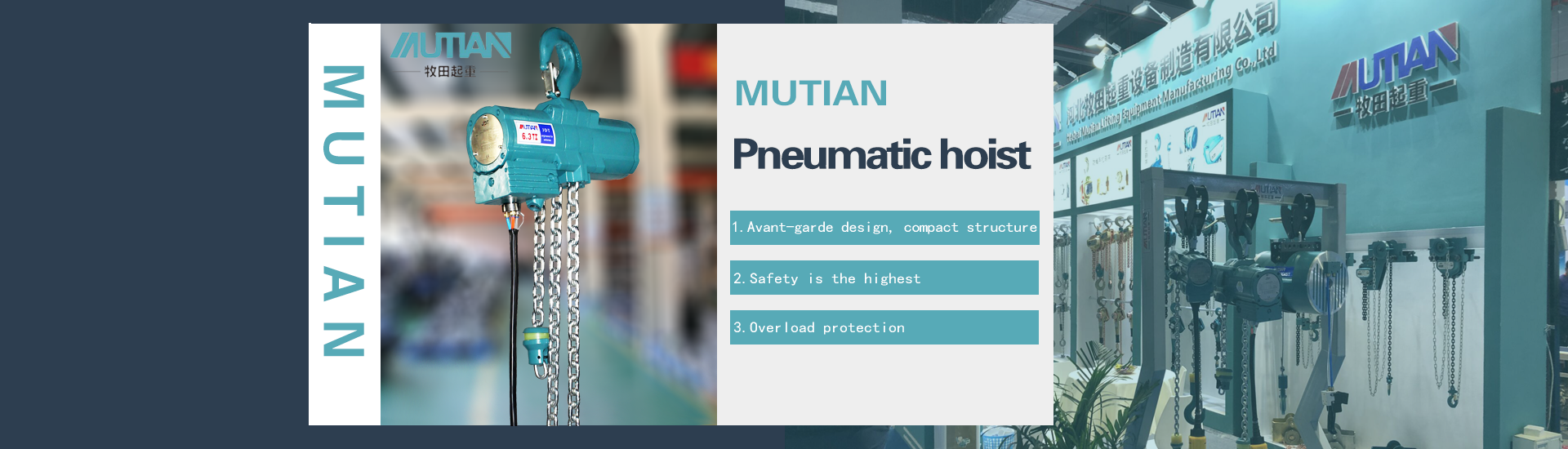
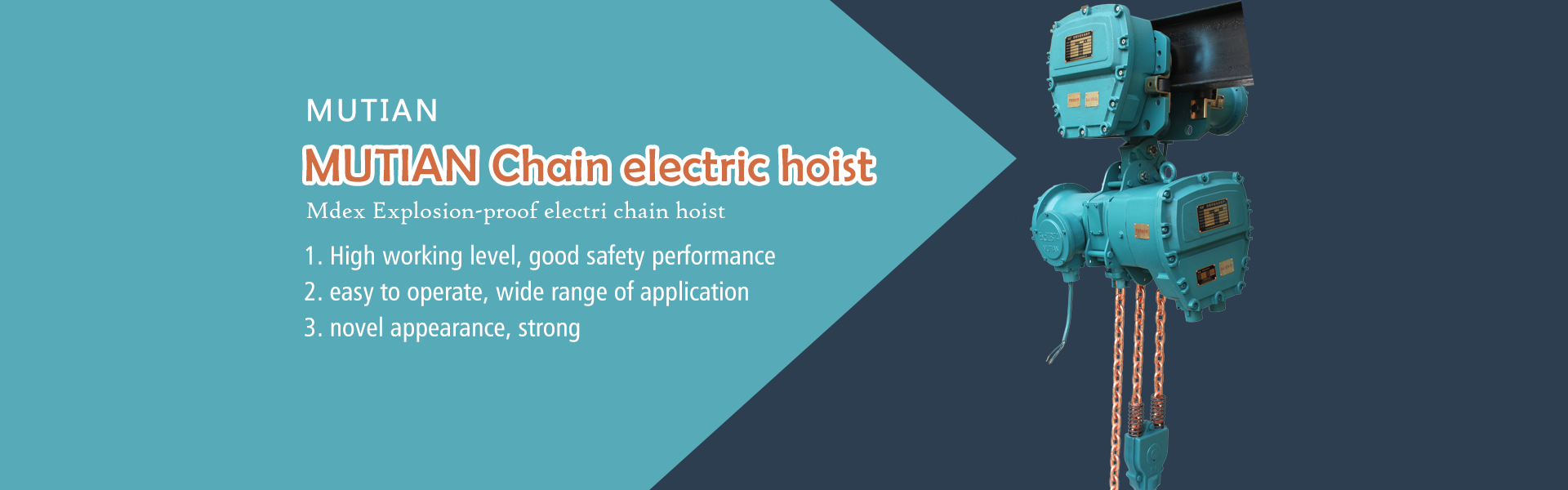
The main equipment produced by Hebei Makita: stage electric hoist, electric chian hoist, wire rope electric hoist,Hand chain hoist, lever hoist, pneumatic hoist and other lifting equipment
 phone
phone
 service
 message
 e-mail
