 中文版
中文版





releaseTime:2025-08-18 10:37:57source:Mu TiannumberOfPageViews:0
To extend the service life of manual forklifts, a comprehensive maintenance strategy is essential, covering daily checks, periodic inspections, proper operation, environmental management, and professional servicing. Here’s a structured approach:
1. Daily Pre-Operation Checks
Perform these quick checks before each use to catch issues early:
Hydraulic System:
Inspect for oil leaks around the cylinder, hoses, and connections.
Test the handle for smooth operation (no sticking or excessive force required).
Wheels and Axles:
Ensure wheels rotate freely without wobbling or noise.
Check for cracks or excessive wear on tires; replace if damaged.
Fork Condition:
Look for bends, cracks, or uneven wear on the forks.
Verify that the fork tips are intact and not chipped.
Frame and Structure:
Check for loose bolts, welds, or visible damage to the frame.
Ensure the load capacity plate is legible and not obscured.
2. Periodic Maintenance (Weekly/Monthly)
Hydraulic Oil Replacement:
Drain and replace hydraulic oil every 6 months or as recommended by the manufacturer (e.g., ISO VG 32 or 46 hydraulic oil).
Use a filter to remove contaminants before refilling.
Lubrication:
Apply grease to wheel bearings, pivot points, and the handle mechanism monthly to reduce friction and wear.
Use a high-quality lithium-based grease for long-lasting protection.
Brake Inspection (if applicable):
Test parking and service brakes for responsiveness.
Adjust brake shoes or replace worn components if braking is weak.
Load Capacity Verification:
Ensure the forklift is not overloaded, as this accelerates wear on the frame and hydraulic system.
Use a scale to verify load weights periodically.
3. Proper Operation Practices
Avoid Abrupt Movements:
Start and stop gradually to prevent stress on the hydraulic system and frame.
Lower the forks slowly when releasing a load to avoid impact damage.
Maintain Stability:
Keep the load centered and as low as possible during transport.
Avoid sharp turns, especially with heavy loads, to prevent tipping.
Use on Suitable Surfaces:
Operate on flat, dry surfaces to minimize wheel wear and hydraulic strain.
Avoid gravel, mud, or uneven terrain that could cause instability.
Prevent Overloading:
Never exceed the rated capacity (e.g., 2,500 kg for a standard model).
Distribute weight evenly across both forks.
4. Environmental and Storage Management
Cleanliness:
Wipe down the forklift after each use to remove dirt, grease, and debris.
Use a mild detergent for stubborn grime, but avoid harsh chemicals that may damage components.
Corrosion Prevention:
Store the forklift indoors in a dry area to prevent rust.
Apply a rust-inhibiting spray to metal parts if stored in humid conditions.
Battery Care (for electric models):
If your manual forklift has an electric assist feature, charge the battery fully after each use.
Store batteries at room temperature and avoid deep discharges.
5. Component-Specific Care
Fork Maintenance:
Replace forks if they are bent more than 0.5% of their length or show cracks.
Use a fork straightening tool for minor bends (if permitted by the manufacturer).
Wheel Replacement:
Replace wheels when the tread depth is less than 2 mm or if the core is exposed.
Opt for polyurethane wheels for indoor use (quieter, longer-lasting) or pneumatic tires for rough terrain.
Seal and Gasket Inspection:
Check hydraulic seals annually for cracks or hardening.
Replace seals if oil leakage persists after tightening connections.
6. Professional Servicing
Annual Inspection:
Hire a certified technician to inspect the forklift for hidden issues (e.g., frame fatigue, hydraulic cylinder wear).
Test the safety features (e.g., overload valves, emergency stops).
Reconditioning:
Consider reconditioning the forklift every 3–5 years, which may include repainting, replacing worn parts, and upgrading components (e.g., ergonomic handles).
7. Documentation and Tracking
Maintenance Log:
Keep a record of all inspections, repairs, and replacements.
Note the date, parts replaced, and technician’s name for accountability.
Warranty Compliance:
Follow the manufacturer’s maintenance schedule to keep the warranty valid.
Use genuine replacement parts for critical components (e.g., hydraulic cylinders).
8. Training for Operators
Regular Refresher Courses:
Train operators on proper handling, load distribution, and emergency procedures.
Emphasize the importance of reporting issues immediately.
Ergonomics:
Teach operators to use correct posture (e.g., bending knees when lifting) to reduce fatigue and injury risks.
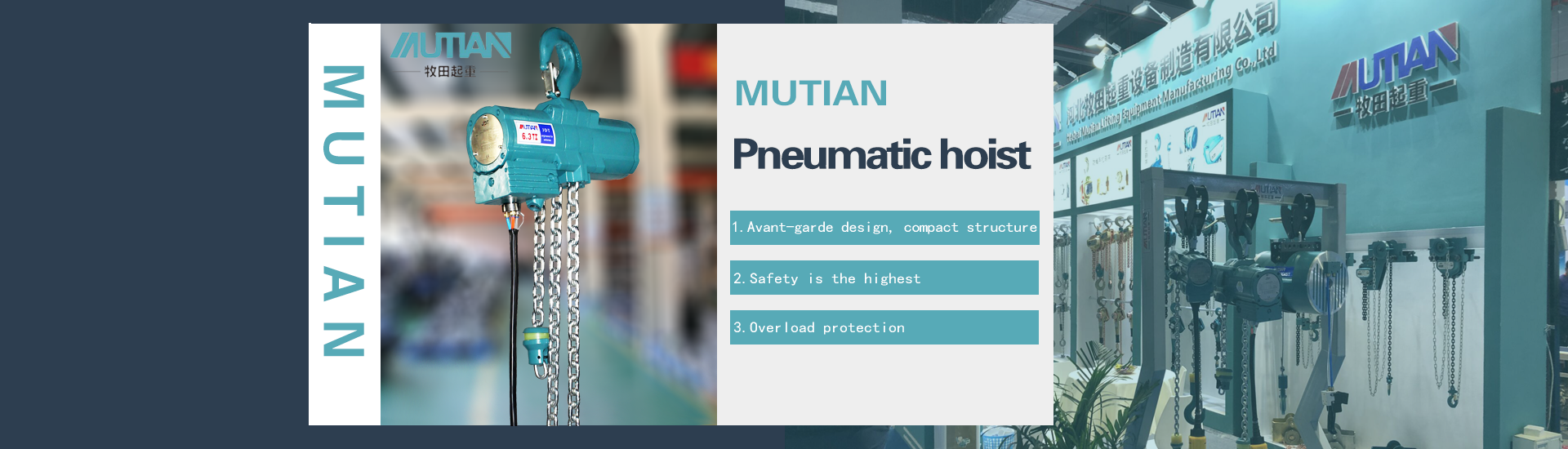
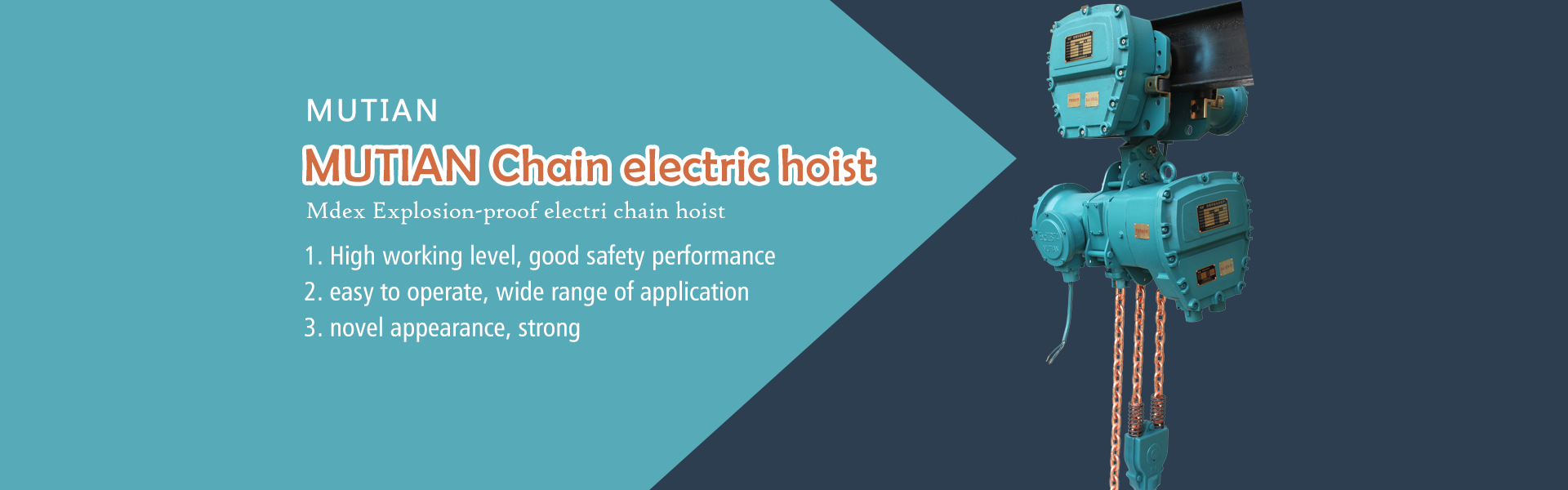
The main equipment produced by Hebei Makita: stage electric hoist, electric chian hoist, wire rope electric hoist,Hand chain hoist, lever hoist, pneumatic hoist and other lifting equipment
 phone
phone
 service
 message
 e-mail
