 中文版
中文版





releaseTime:2025-11-25 09:05:50source:Mu TiannumberOfPageViews:0
Operating a running electric hoist (electric single-girder or double-girder crane) safely requires strict adherence to operational protocols, equipment maintenance, and environmental management. Below is a structured guide to ensure safe operation:
1. Pre-Operation Inspection
1.1 Equipment Check
Visual Inspection:
Check the hoist body, hooks, wire ropes, and chains for cracks, deformation, or excessive wear.
Verify that safety latches on hooks are intact and functional.
Inspect the limit switches (upper/lower travel limits) to ensure they trigger correctly.
Electrical System Check:
Test emergency stop buttons for immediate response.
Ensure control cables are free of damage and properly routed to avoid tripping hazards.
Verify that the remote control or pendant switch operates smoothly without sticking.
Structural Integrity:
Confirm that the main beam, end carriages, and runway rails are free of deformation or loose connections.
Check for proper alignment of wheels on rails to prevent "啃轨" (wheel flange wear due to misalignment).
1.2 Environmental Assessment
Workspace Clearance:
Ensure the operating area is free of obstacles, personnel, or flammable materials.
Mark safe zones with warning signs or barriers.
Load Stability:
Verify that the load is balanced and securely attached to the hook.
Avoid lifting slanted or unstable loads that may shift during hoisting.
Weather Conditions:
In outdoor settings, avoid operation during high winds (typically >10 m/s) or thunderstorms.
2. Safe Operating Procedures
2.1 Load Handling
Weight Limit:
Never exceed the rated load capacity (displayed on the hoist or in the manual).
Use a load cell or scale to verify weight if uncertain.
Hoisting/Lowering:
Start and stop gradually to avoid sudden jerks that may damage the load or hoist.
Keep the load at a safe height (≥2m above ground or obstacles) during movement.
Horizontal Movement:
Move the trolley or crane slowly to prevent swinging of the load.
Use taglines or guide ropes to control load swing if necessary.
2.2 Operator Positioning
Stand Clear:
Remain at a safe distance (≥3m) from the load during hoisting/lowering.
Never stand under a suspended load.
Line of Sight:
Maintain unobstructed visibility of the load and path. Use a spotter if visibility is limited.
Avoid Distractions:
Do not operate the hoist while using a phone, eating, or engaging in other distracting activities.
2.3 Emergency Protocols
Emergency Stop:
Familiarize yourself with the location of emergency stop buttons (on the hoist, remote, or pendant).
Press immediately if the load becomes unstable, the hoist malfunctions, or personnel are at risk.
Power Failure:
If power is lost during operation, lower the load gently using the manual release mechanism (if equipped).
Fire/Electrical Hazard:
In case of fire or electrical sparking, evacuate the area and cut power at the main switch.
3. Maintenance & Upkeep
3.1 Regular Inspections
Daily Checks:
Lubricate moving parts (e.g., wheels, gears) as per the manual.
Clean the hoist and rails to remove debris that may cause jamming.
Monthly/Quarterly Checks:
Inspect wire ropes for broken strands or corrosion (replace if damage exceeds 10% of total strands).
Test brake performance by lifting a load slightly and checking for slippage.
Annual Overhaul:
Conduct a thorough inspection by a certified technician, including non-destructive testing (NDT) of critical components.
3.2 Component Replacement
Wear Parts:
Replace hooks, wire ropes, and brake linings when they reach the manufacturer’s wear limits.
Electrical Components:
Replace frayed cables or damaged contactors immediately to prevent short circuits.
4. Operator Training & Certification
Formal Training:
All operators must complete a certified training program covering hoist operation, safety protocols, and emergency procedures.
Refresher Courses:
Schedule annual refresher training to reinforce safe practices and update operators on new regulations.
Certification:
Ensure operators hold valid licenses or certificates (e.g., OSHA compliance in the U.S., or equivalent local certifications).
5. Environmental & Load-Specific Precautions
5.1 Hazardous Environments
Corrosive Areas:
Use stainless steel or coated components to resist chemical damage.
Rinse the hoist with fresh water after exposure to saltwater or acids.
High-Temperature Zones:
Install heat shields to protect electrical components.
Avoid prolonged operation above the hoist’s rated temperature (typically ≤60°C).
5.2 Special Loads
Explosive Materials:
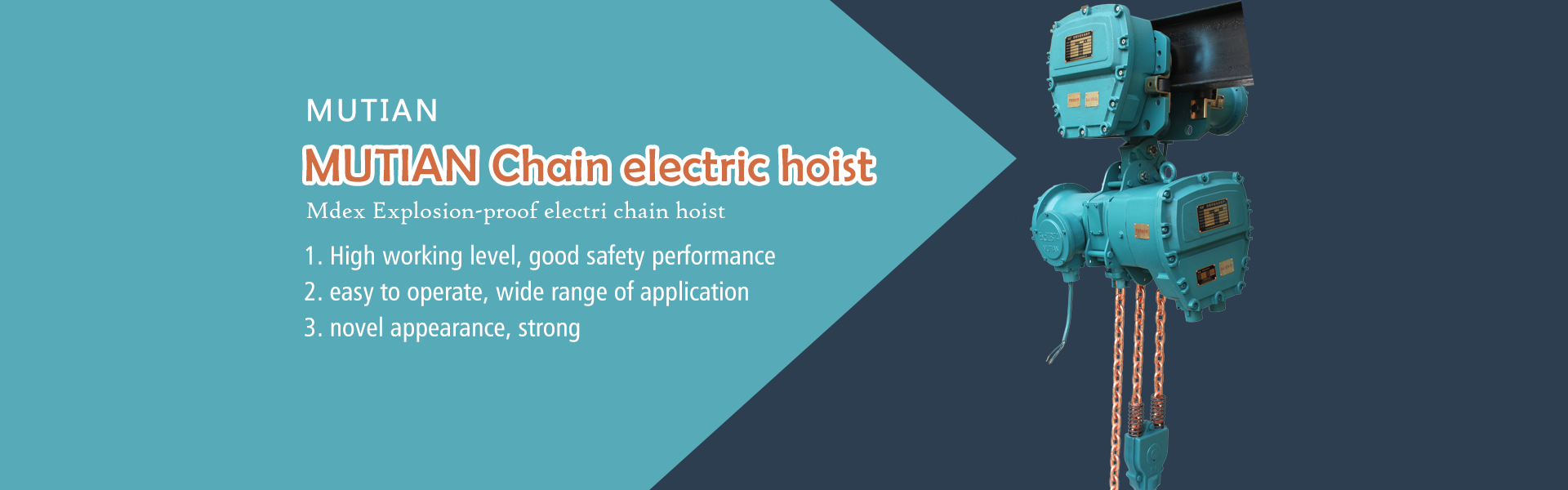
Use explosion-proof hoists with ATEX certification (e.g., in oil refineries).
Magnetic Loads:
Ensure the hoist is rated for magnetic lifting and use non-magnetic guides to prevent unintended attraction.
6. Documentation & Record-Keeping
Inspection Logs:
Maintain a logbook to record daily checks, maintenance activities, and repairs.
Incident Reports:
Document any near-misses or accidents for analysis and preventive action.
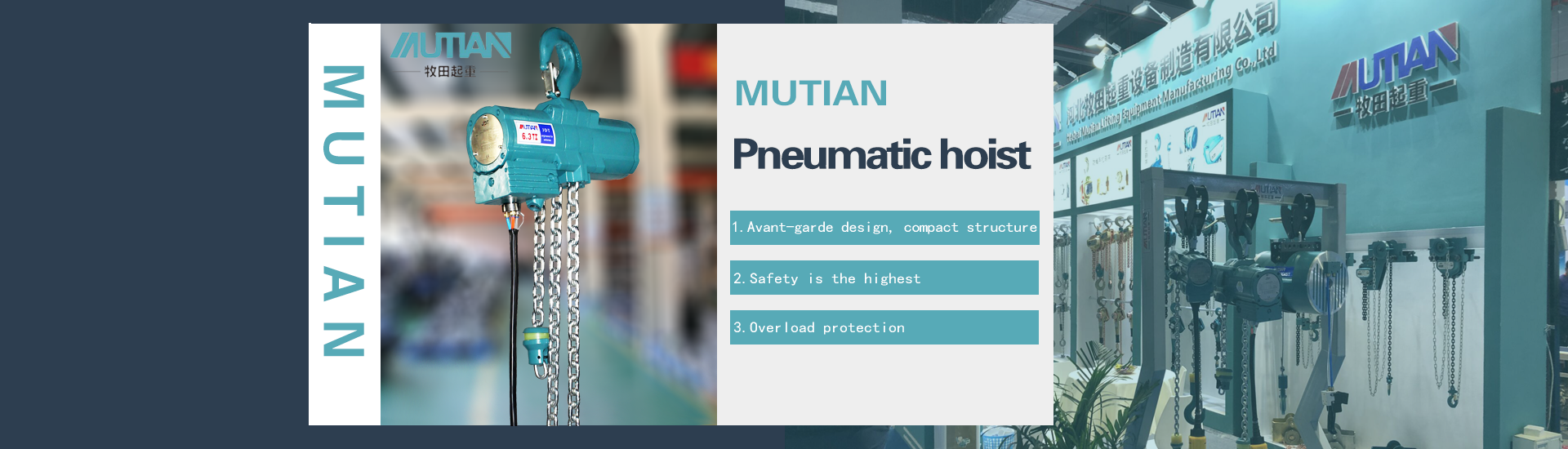
The main equipment produced by Hebei Makita: stage electric hoist, electric chian hoist, wire rope electric hoist,Hand chain hoist, lever hoist, pneumatic hoist and other lifting equipment
 phone
phone
 service
 message
 e-mail
