 中文版
中文版





releaseTime:2025-12-05 10:23:26source:Mu TiannumberOfPageViews:0
The internal structure of an electric hoist in operation mainly includes an electric motor, reducer, drum device, braking system, electrical control system, walking mechanism (for movable models), hook device, connectors and bearings, as well as housing and frame. The following is a detailed introduction:
Electric motor: As the core power source of electric hoists, three-phase asynchronous motors or conical rotor motors are usually used. The conical motor integrates braking function and achieves rapid braking through spring pressure when power is cut off, providing higher safety. The electric motor generates rotational motion through power supply, and its rotational speed is high. It needs to be converted into low-speed high torque through a reducer to drive the steel wire rope or chain to lift and lower objects.
Reducer: The reducer is a key component in electric hoists that reduces speed and increases torque. It converts the high speed of the electric motor into a lower speed through gear transmission (such as planetary gears or worm gears), while increasing torque to ensure smooth lifting. Some models use fixed axis external meshing gear transmission, with gears and gear shafts made of heat-treated alloy steel, and the box body and cover made of high-quality cast iron, with tight assembly and good sealing.
Drum device: The drum is used to wrap steel wire ropes or chains and directly carry heavy objects. The drum shell of the wire rope electric hoist is made of steel plate, and support rings are welded at both ends. The support rings are connected to the reducer and the lifting motor or the dual speed electric unit through double headed bolts. The drum device is usually equipped with a rope guide to prevent the steel wire rope from being tangled and to ensure accurate upper and lower limit movements.
Braking system: The braking system includes electromagnetic brakes, mechanical brake discs, etc., to ensure that heavy objects will not accidentally fall when power is cut off or stopped. The self braking design of a conical motor is a typical solution, where the brake friction plate is installed on the fan brake wheel, and the braking effect is obtained by relying on the frictional force generated by the conical surface after power failure.
Electrical control system: The electrical control system includes a control box, controller (button or remote control), soft cable introducer, etc., and adopts low-voltage control to improve safety. Overload protection and precise control are achieved through magnetic contact pressure gauges, limit switches, etc. For example, when the hook rises to a limited height and hits the travel switch, the normally closed contact opens, disconnecting the control circuit and causing the motor to stop working.
Walking mechanism (for movable models): The walking mechanism includes a large vehicle (moving laterally along the track) and a small vehicle (moving longitudinally) running mechanism, which is driven by a motor to achieve positioning through gears or wheel sets. Heavy duty electric motors may be equipped with two wheeled carts or two sets of operating mechanisms to enhance stability.
Hook device: The hook is a key component for connecting heavy objects and must meet the load requirements. Some designs can be rotated to adjust the lifting angle. The hook is usually forged from specialized steel and connected to the outer shell through a thrust ball bearing via the hook crossbeam, allowing the hook to operate freely.
Connecting components and bearings: Connecting components such as gears, shafts, and bearings ensure the reliability and mechanical efficiency of the transmission system. These components are usually made of high-quality materials and undergo heat treatment to improve wear resistance and fatigue resistance.
Shell and frame: The shell and frame are made of lightweight materials such as aluminum alloy, which combines lightweight and sealing properties to protect internal components from environmental impacts. Some models of the casing are also equipped with heat sinks to improve heat dissipation efficiency.
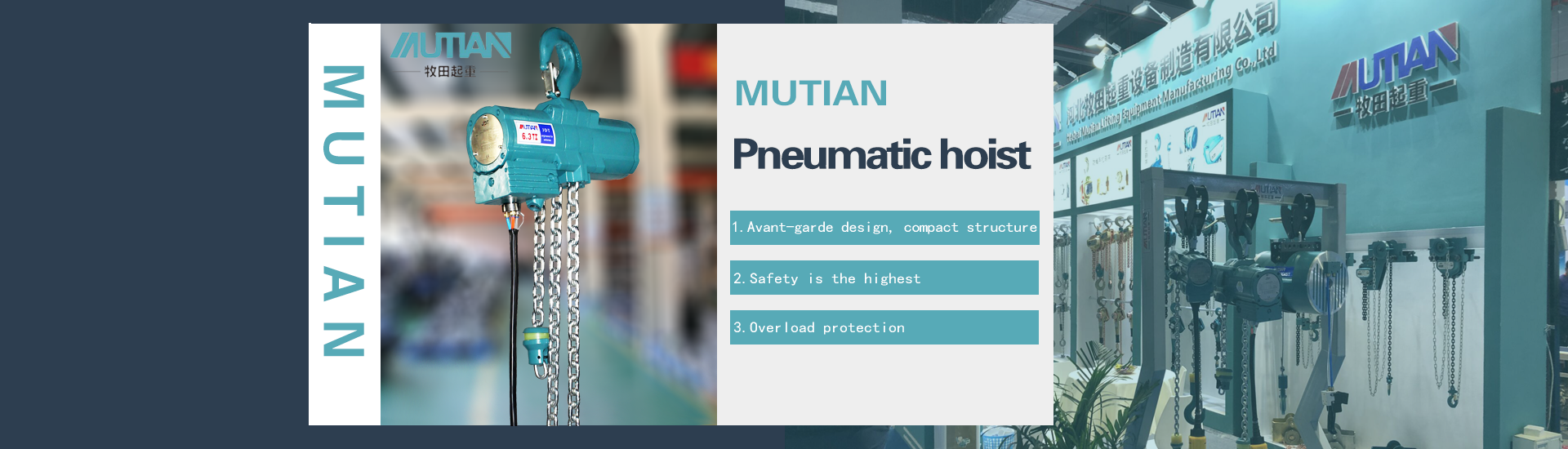
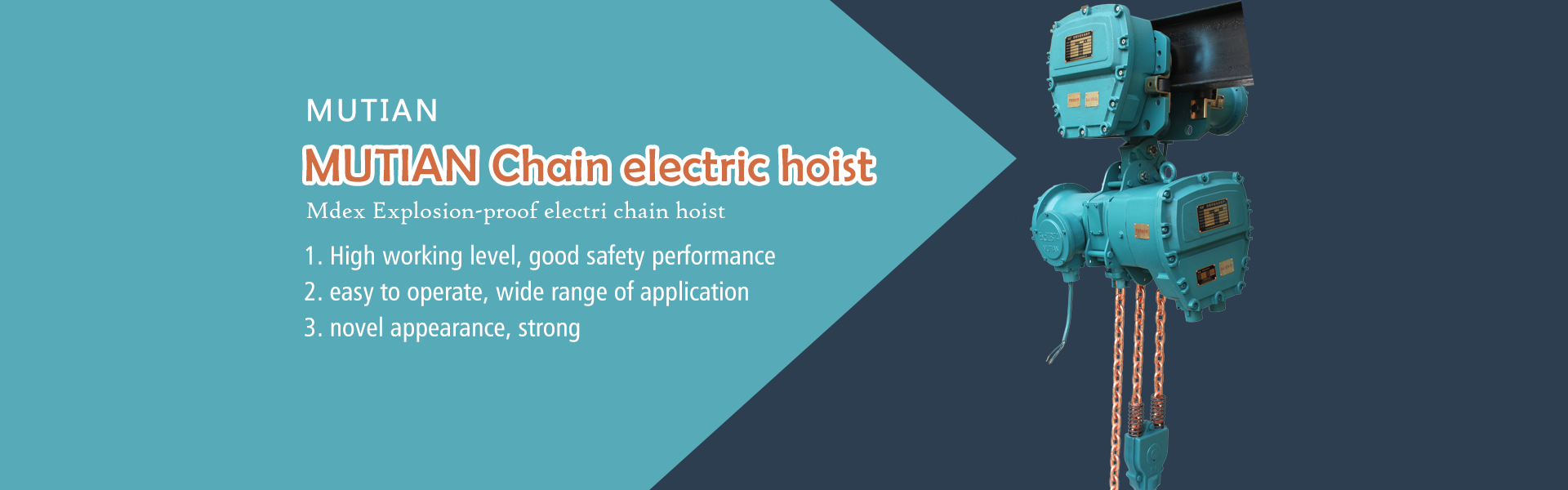
The main equipment produced by Hebei Makita: stage electric hoist, electric chian hoist, wire rope electric hoist,Hand chain hoist, lever hoist, pneumatic hoist and other lifting equipment
 phone
phone
 service
 message
 e-mail
