 中文版
中文版




releaseTime:2025-11-14 08:45:14source:Mu TiannumberOfPageViews:0
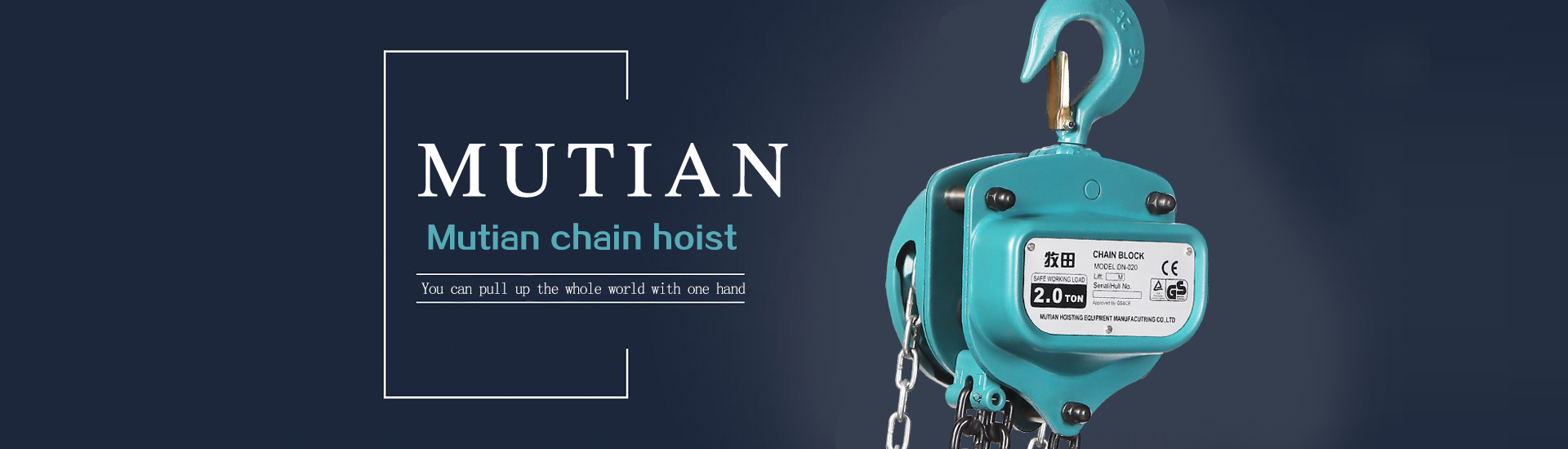
A running manual hoist (also known as a chain hoist or hand chain hoist) is a portable, mechanically operated lifting device designed for vertical lifting and lowering of loads. It is widely used in construction, manufacturing, warehouses, and maintenance operations where electric or powered hoists are impractical. Below is an introduction to its key characteristics:
1. Mechanical Operation (Manual Power)
Hand-Powered Lifting: Operated by pulling a hand chain, which rotates gears inside the housing to lift or lower the load.
No External Power Required: Ideal for environments without electricity or where mobility is essential.
Mechanical Advantage: Uses gear reduction to multiply the force applied, allowing a single operator to lift heavy loads with minimal effort.
2. Portable & Lightweight Design
Compact & Mobile: Designed for easy transport and quick setup, often mounted on trolleys or hooks for flexibility.
Durable Construction: Typically made of high-strength steel or aluminum for rugged use in industrial settings.
Corrosion Resistance: Some models feature zinc-plated or stainless-steel components for outdoor or corrosive environments.
3. Load Capacity & Precision
Rated Capacity: Available in a wide range (e.g., 0.5 tons to 20 tons) to suit different applications.
Precise Control: Allows slow, steady lifting/lowering, making it suitable for delicate or precise positioning tasks.
Load Braking: Mechanical brake systems (e.g., Weston-type or pawl-and-ratchet) hold the load securely when the hand chain is released.
4. Safety Features
Overload Protection: Some models include friction clutches or shear pins to prevent hoist damage if the load exceeds capacity.
Hook Safety Latches: Prevent accidental disengagement of the load.
Chain Stoppers: Limit chain travel to avoid overloading or jamming.
Durable Load Chain: Heat-treated alloy steel chains resist wear, fatigue, and deformation.
5. Versatility & Adaptability
Multiple Mounting Options: Can be suspended from beams, trolleys, or hooks for horizontal or vertical movement.
Adjustable Height: Some models allow chain length customization for specific lifting heights.
Compatible with Accessories: Works with slings, shackles, or lifting clamps for varied load shapes.
6. Maintenance & Durability
Simple Maintenance: Requires periodic lubrication of gears and chains, and inspection of hooks and brakes.
Long Service Life: Built to withstand heavy-duty cycles with proper care.
Replaceable Parts: Worn components (e.g., chains, gears, hooks) can be easily replaced to extend lifespan.
7. Cost-Effectiveness
Lower Initial Cost: More affordable than electric or pneumatic hoists.
No Operating Costs: Eliminates energy consumption and reduces long-term expenses.
Minimal Downtime: Simple design reduces repair complexity and downtime.
8. Limitations
Labor-Intensive: Requires physical effort, making it unsuitable for prolonged or high-frequency lifting.
Slower Operation: Manual operation is slower than powered alternatives.
Height Restrictions: Limited by chain length (though extendable models are available).
Applications
Construction: Lifting materials (steel beams, concrete blocks) on-site.
Manufacturing: Assembling heavy machinery or moving components.
Warehousing: Loading/unloading goods from trucks or shelves.
Maintenance: Replacing engines, gearboxes, or other heavy equipment.
Comparison with Electric Hoists
Feature Manual Hoist Electric Hoist
Power Source Hand-operated Electric motor
Speed Slower Faster
Cost Lower initial cost Higher initial cost
Portability Highly portable Less portable (requires power)
Precision High (manual control) Moderate (motorized control)
Suitability Light-duty, intermittent use Heavy-duty, continuous operation
The main equipment produced by Hebei Makita: stage electric hoist, electric chian hoist, wire rope electric hoist,Hand chain hoist, lever hoist, pneumatic hoist and other lifting equipment
 phone
phone
 service
 message
 e-mail
