 中文版
中文版




releaseTime:2025-09-10 08:52:45source:Mu TiannumberOfPageViews:0
A hydraulic hoist is a lifting device that utilizes hydraulic fluid pressure to generate force for lifting, lowering, or positioning loads. It is widely used in industrial, automotive, construction, and material-handling applications due to its robustness, precision, and ability to handle heavy loads. Below is an introduction to its key characteristics:
1. High Lifting Capacity
Power-to-Weight Ratio: Hydraulic systems can generate significant force relative to their size, allowing hydraulic hoists to lift heavy loads (ranging from a few tons to hundreds of tons) with compact machinery.
Uniform Force Distribution: The hydraulic fluid transmits pressure evenly, ensuring stable lifting even with unevenly distributed loads.
2. Smooth and Precise Control
Variable Speed Adjustment: Hydraulic hoists allow for infinitely variable speed control, enabling operators to adjust lifting/lowering rates based on the task (e.g., slow positioning for delicate operations or rapid lifting for efficiency).
Fine Positioning: The incompressibility of hydraulic fluid enables precise load placement, critical in applications like assembly lines or maintenance work.
3. Compact and Space-Efficient Design
High Power Density: Hydraulic components (e.g., pumps, cylinders) are compact, making hydraulic hoists suitable for confined spaces where other lifting systems (e.g., electric winches) may not fit.
Vertical/Horizontal Flexibility: Designs range from vertical lifts (e.g., car lifts) to horizontal systems (e.g., scissor lifts), adapting to diverse workspace requirements.
4. Durability and Reliability
Robust Construction: Hydraulic hoists are built with heavy-duty materials (e.g., steel frames, hardened cylinders) to withstand harsh environments, repeated use, and overload conditions.
Resistance to Wear: Hydraulic fluid also acts as a lubricant, reducing friction and extending the lifespan of moving parts (e.g., pistons, seals).
5. Safety Features
Overload Protection: Many hydraulic hoists incorporate safety mechanisms like pressure relief valves or shear pins to prevent system failure if the load exceeds capacity.
Load Holding: Hydraulic systems inherently "lock" the load when stationary, eliminating drift (unintended movement) even if power is lost.
Emergency Stop: Pendant controls or wireless remotes often include an emergency stop function for immediate halt in case of hazards.
6. Low Maintenance Requirements
Fewer Moving Parts: Compared to mechanical systems (e.g., chain hoists), hydraulic hoists have fewer components prone to wear, reducing downtime.
Sealed Systems: Modern hydraulic hoists use sealed cylinders and hoses to minimize contamination, lowering the risk of leaks or component failure.
Ease of Inspection: Visual checks for fluid levels, leaks, and hose integrity are straightforward, enabling proactive maintenance.
7. Adaptability to Harsh Environments
Corrosion Resistance: Stainless steel or powder-coated finishes protect against rust in wet or chemical-exposed settings.
Temperature Tolerance: Specialized hydraulic fluids and seals allow operation in extreme temperatures (e.g., freezers or foundries).
Dust/Debris Resistance: Enclosed hydraulic systems resist contamination from dust or debris, common in construction or mining sites.
8. Cost-Effectiveness
Long Service Life: Durable construction and low maintenance translate to lower lifecycle costs compared to electric or pneumatic alternatives.
Energy Efficiency: Hydraulic systems only consume power when in motion, reducing energy waste during idle periods.
9. Noise Reduction
Quiet Operation: Hydraulic hoists generate less noise than mechanical systems (e.g., chain hoists), making them suitable for noise-sensitive environments like workshops or indoor facilities.
10. Integration with Automation
Programmable Controls: Advanced hydraulic hoists can be integrated with PLCs (Programmable Logic Controllers) or HMI (Human-Machine Interface) systems for automated lifting sequences, enhancing productivity in manufacturing or logistics.
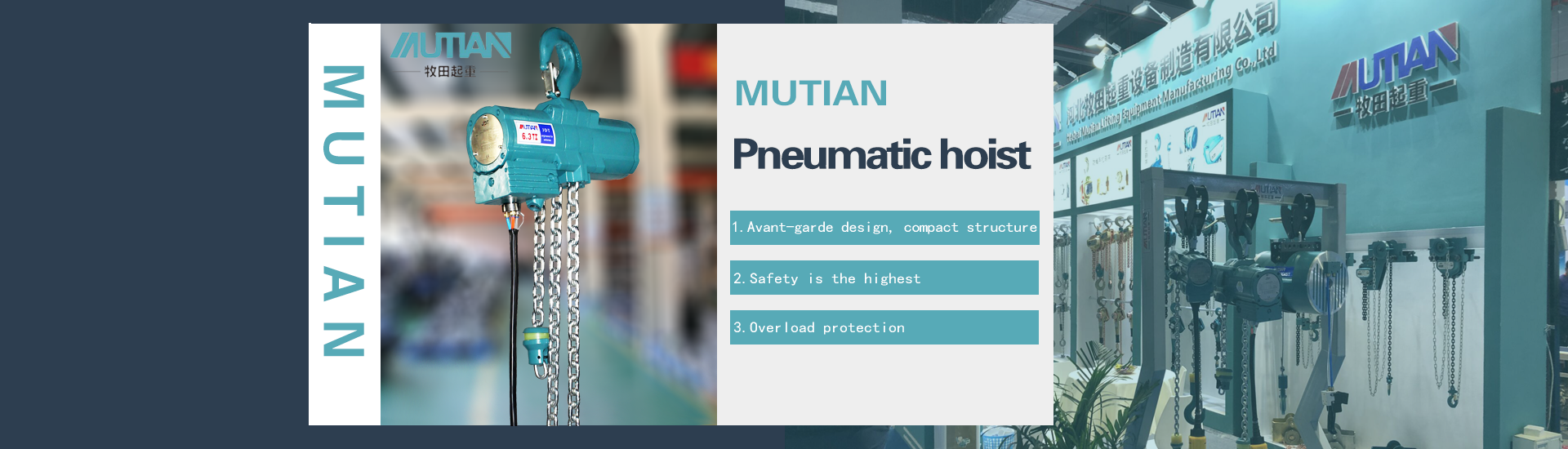
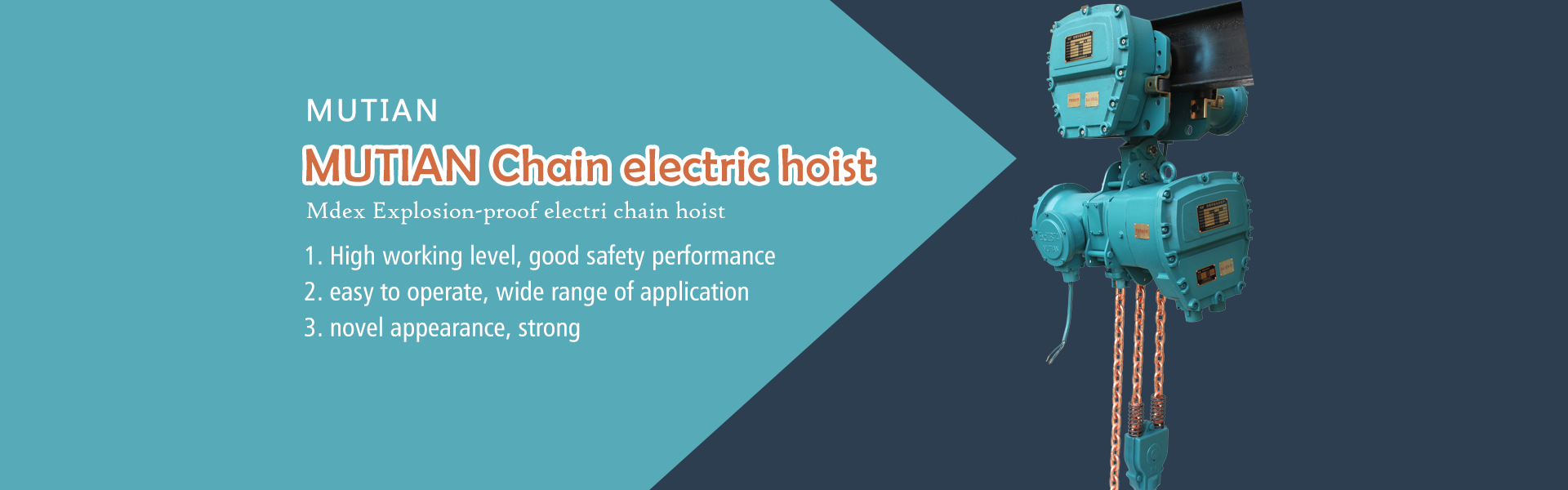
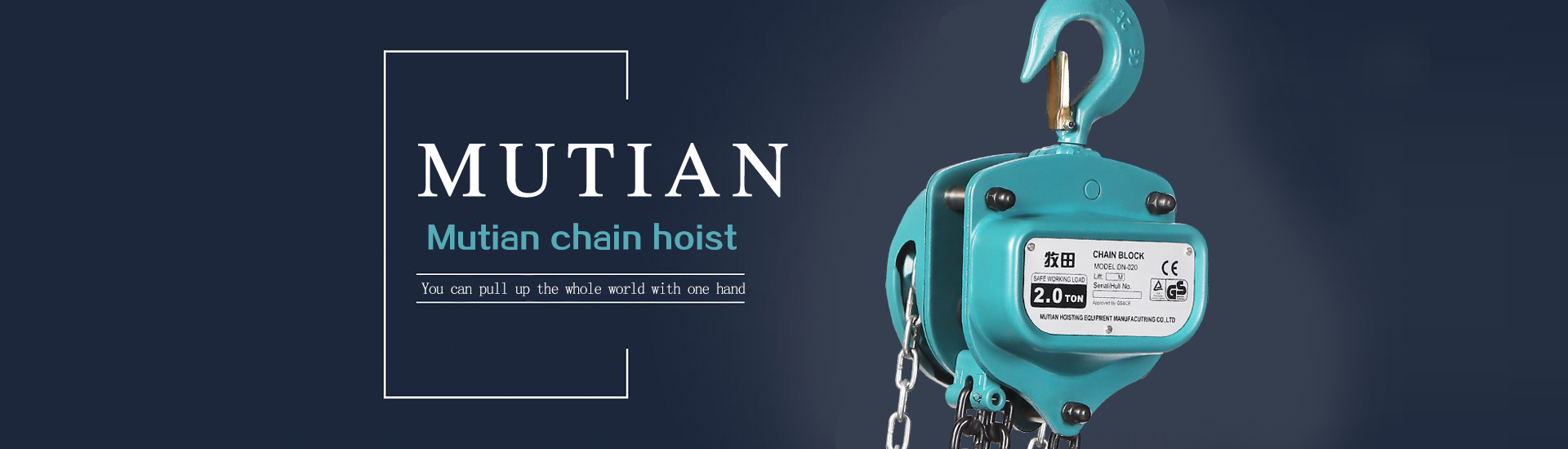
The main equipment produced by Hebei Makita: stage electric hoist, electric chian hoist, wire rope electric hoist,Hand chain hoist, lever hoist, pneumatic hoist and other lifting equipment
 phone
phone
 service
 message
 e-mail
