 中文版
中文版




releaseTime:2025-08-20 09:04:52source:Mu TiannumberOfPageViews:0
Introduction to the Characteristics of Manual Forklifts
Manual forklifts, also known as hand pallet trucks or pump trucks, are simple, human-powered material handling devices designed for lifting, moving, and positioning palletized loads over short distances. Unlike motorized forklifts, they rely on manual operation, making them cost-effective, easy to maintain, and suitable for low-volume lifting tasks in various environments. Below is an overview of their key characteristics:
1. Basic Structure & Components
Fork Arms:
Two parallel steel forks that slide under pallets to lift loads.
Adjustable width (in some models) to accommodate different pallet sizes.
Hydraulic Pump:
Operated by a hand lever, it uses mechanical force to raise the forks.
Simple design with minimal moving parts, reducing maintenance needs.
Frame & Handle:
Sturdy steel or aluminum frame for stability.
Ergonomic handle with controls for steering and lowering the forks.
Wheels:
Load wheels (under forks): Typically made of nylon or polyurethane for smooth rolling.
Steering wheels (rear): Swivel casters for easy maneuverability in tight spaces.
2. Key Characteristics
A. Manual Operation (No Power Source Required)
Operated entirely by human effort (pumping the handle to lift loads).
Ideal for small warehouses, retail stores, or areas without access to electricity.
Limitation: Not suitable for heavy or frequent lifting (typically rated up to 2–5 tons).
B. Compact & Maneuverable
Small footprint allows operation in narrow aisles and confined spaces.
Lightweight design (compared to motorized forklifts) for easy transport.
360° steering enables sharp turns and precise positioning.
C. Low Cost & Maintenance
Affordable purchase price compared to electric or diesel forklifts.
Minimal mechanical complexity reduces repair costs.
No fuel or battery requirements—only occasional lubrication and wheel replacement.
D. Simple & Safe to Use
No specialized training required (though basic safety instruction is advised).
Built-in safety features like overload valves (in some models) prevent accidents.
Forks lower gradually to avoid sudden drops.
E. Limited Lifting Height & Capacity
Typically lifts loads to a maximum height of 200–300 mm (8–12 inches).
Not designed for stacking pallets high (unlike reach trucks or stackers).
F. Environmentally Friendly
Zero emissions since they rely on human power.
Quiet operation suitable for noise-sensitive areas (e.g., hospitals, libraries).
3. Common Applications
Manual forklifts are widely used in:
Warehouses & Distribution Centers: For moving pallets between storage racks and loading docks.
Retail Stores: Stocking shelves or transporting goods from delivery trucks to storage areas.
Manufacturing Facilities: Handling raw materials or finished products on the shop floor.
Cold Storage: Their simple design resists malfunctions in low-temperature environments.
Small Businesses: Cost-effective solution for startups or SMEs with limited budgets.
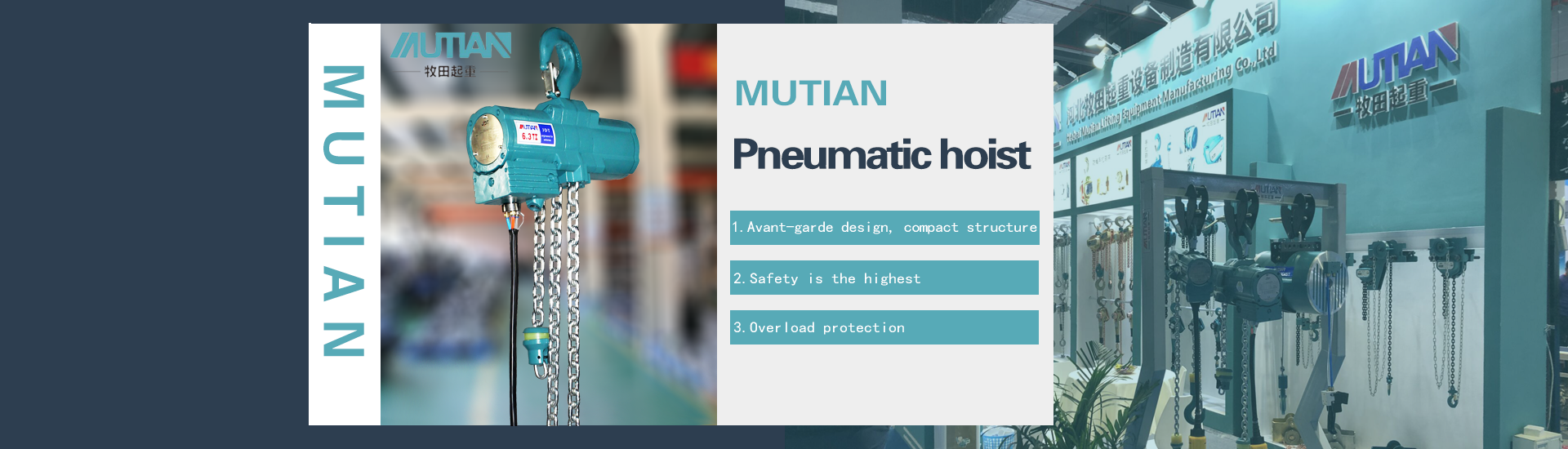
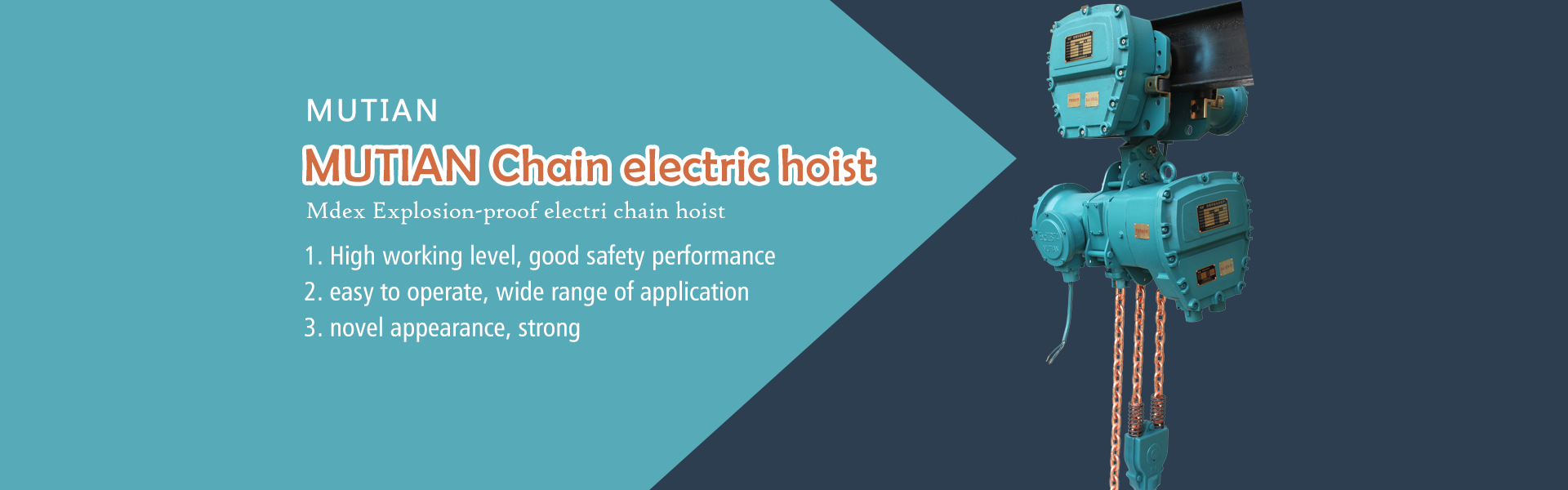
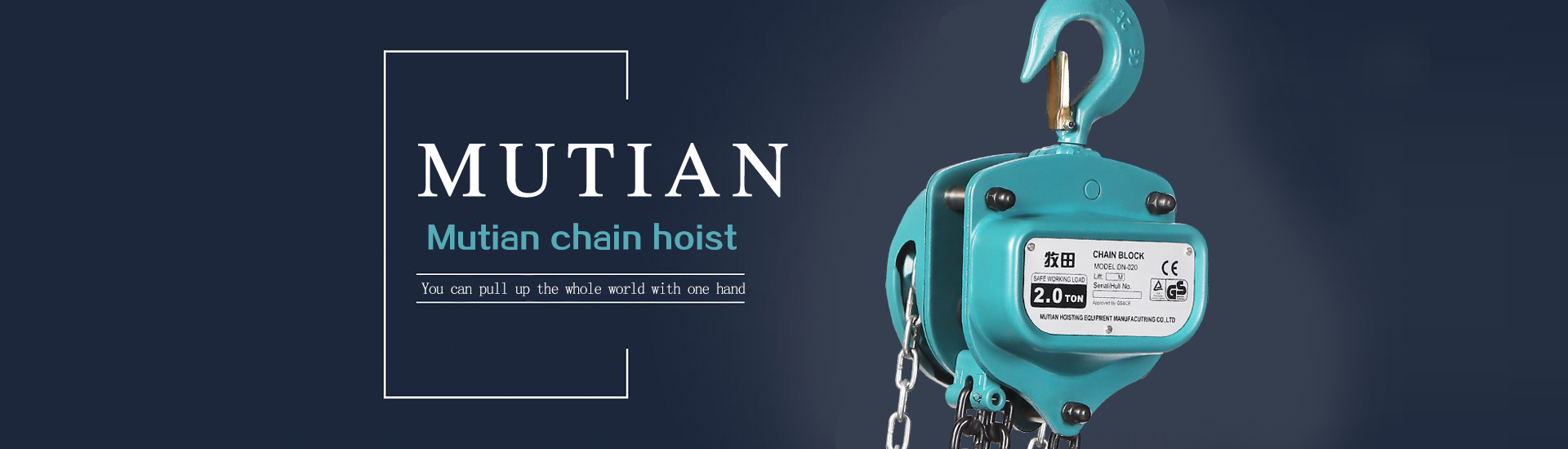
The main equipment produced by Hebei Makita: stage electric hoist, electric chian hoist, wire rope electric hoist,Hand chain hoist, lever hoist, pneumatic hoist and other lifting equipment
 phone
phone
 service
 message
 e-mail
