 中文版
中文版




releaseTime:2025-09-15 10:10:26source:Mu TiannumberOfPageViews:0
Legitimate Electric Winches: High Flexibility and Broad Applications
Legitimate electric winches, designed and manufactured to meet industry standards and safety regulations, are renowned for their strong flexibility and wide range of applications across various sectors. Their adaptability stems from advanced engineering, robust construction, and versatile control systems, making them indispensable in demanding environments. Below is an in-depth analysis of their flexibility and key use cases.
1. Key Features Contributing to Flexibility
1.1 Variable Power and Speed Control
Adjustable Speed Settings:
Modern electric winches offer multi-speed operation (e.g., low-speed for heavy lifting, high-speed for light pulling), allowing precise control in different scenarios.
Example: In construction, a winch can slowly lift steel beams (low speed) and quickly retract empty slings (high speed).
Soft Start/Stop Functionality:
Prevents sudden jerks, reducing stress on the load and wire rope, which is crucial for fragile or unstable cargo.
1.2 Compact and Modular Design
Portable Models:
Lightweight, battery-powered winches (e.g., 12V/24V DC) are ideal for off-road recovery, marine operations, and mobile workshops.
Modular Components:
Interchangeable drums, motors, and controllers enable customization for specific tasks (e.g., replacing a steel drum with a synthetic rope drum for marine use).
1.3 Durable Construction Materials
Corrosion-Resistant Finishes:
Marine-grade winches feature stainless steel or powder-coated housings to withstand saltwater exposure.
High-Strength Wire Ropes/Synthetic Ropes:
Steel ropes offer durability for heavy industrial use.
Synthetic ropes (e.g., Dyneema®) are lighter, safer, and resistant to UV damage, suitable for rescue operations.
1.4 Advanced Control Systems
Remote Operation:
Wireless or wired remote controls allow operators to maintain a safe distance from the load.
Automation Integration:
Some winches support PLC (Programmable Logic Controller) or IoT connectivity for automated sequencing in manufacturing lines.
1.5 Safety and Compliance
Built-in Safety Features:
Overload protection (automatic shutdown if load exceeds rating).
Emergency stop buttons and limit switches.
Thermal overload relays to prevent motor burnout.
Certifications:
Legitimate winches comply with standards like ISO 10245, CE, UL, or ATEX (for explosive environments), ensuring global usability.
2. Broad Range of Applications
2.1 Industrial and Construction
Material Handling:
Lifting steel beams, concrete blocks, and machinery in factories and construction sites.
Vertical Lifting Systems:
Integrated into cranes, hoists, and monorails for assembly line operations.
Trenching and Excavation:
Pulling pipes, cables, or anchors during underground infrastructure projects.
2.2 Marine and Offshore
Ship Anchoring and Mooring:
Electric winches handle anchor chains and mooring lines with precision, even in rough seas.
Subsea Operations:
Deploying and retrieving ROVs (Remotely Operated Vehicles) or underwater sensors.
Lifeboat Launch Systems:
Ensuring rapid and safe deployment during emergencies.
2.3 Automotive and Recovery
Vehicle Towing and Recovery:
Portable winches mounted on trucks or ATVs rescue stuck vehicles in off-road conditions.
Car Haulers and Trailers:
Loading/unloading vehicles onto transporters with controlled pulling force.
2.4 Emergency and Rescue
Disaster Response:
Lifting debris, extracting victims, or stabilizing structures during earthquakes or floods.
Mountain Rescue:
Helicopter-mounted winches assist in high-altitude evacuations.
2.5 Entertainment and Events
Stage Rigging:
Suspending lighting, speakers, and scenery in theaters and concert venues.
Amusement Rides:
Powering zip lines, bungee jumps, and roller coaster mechanisms.
2.6 Agriculture and Forestry
Logging Operations:
Skidding felled trees or lifting logs onto trucks.
Farm Machinery:
Moving heavy equipment, baling hay, or adjusting irrigation systems.
3. Advantages Over Alternative Systems
3.1 Compared to Manual Winches
Higher Efficiency:
Electric winches reduce labor and time required for heavy lifting.
Precision Control:
Manual winches lack speed adjustment and overload protection, increasing risk.
3.2 Compared to Hydraulic Winches
Lower Maintenance:
No hydraulic fluid leaks or pump failures; simpler electrical systems require less upkeep.
Quieter Operation:
Electric motors are less noisy than hydraulic pumps, suitable for indoor use.
3.3 Compared to Pneumatic Winches
Portability:
Pneumatic winches require compressed air lines, limiting mobility.
Energy Efficiency:
Electric winches consume less power for equivalent tasks.
4. Case Studies Demonstrating Flexibility
4.1 Construction Site: Heavy Lifting
A 5-ton electric winch with a variable-speed motor was used to install a 20-meter steel truss for a stadium roof. The winch’s soft start function prevented swaying, while its modular design allowed easy relocation between job sites.
4.2 Marine Vessel: Anchor Handling
A corrosion-resistant electric winch on a fishing trawler automated anchor deployment, reducing crew workload by 40% and improving safety in rough seas.
4.3 Disaster Relief: Earthquake Rescue
A battery-powered winch with a synthetic rope was deployed to lift rubble and extract trapped survivors, demonstrating portability and safety in hazardous conditions.
5. Conclusion
Legitimate electric winches stand out for their adaptability, safety, and efficiency, making them indispensable across industries. Their ability to handle diverse loads, operate in harsh environments, and integrate with modern automation systems ensures they remain a top choice for professionals worldwide.
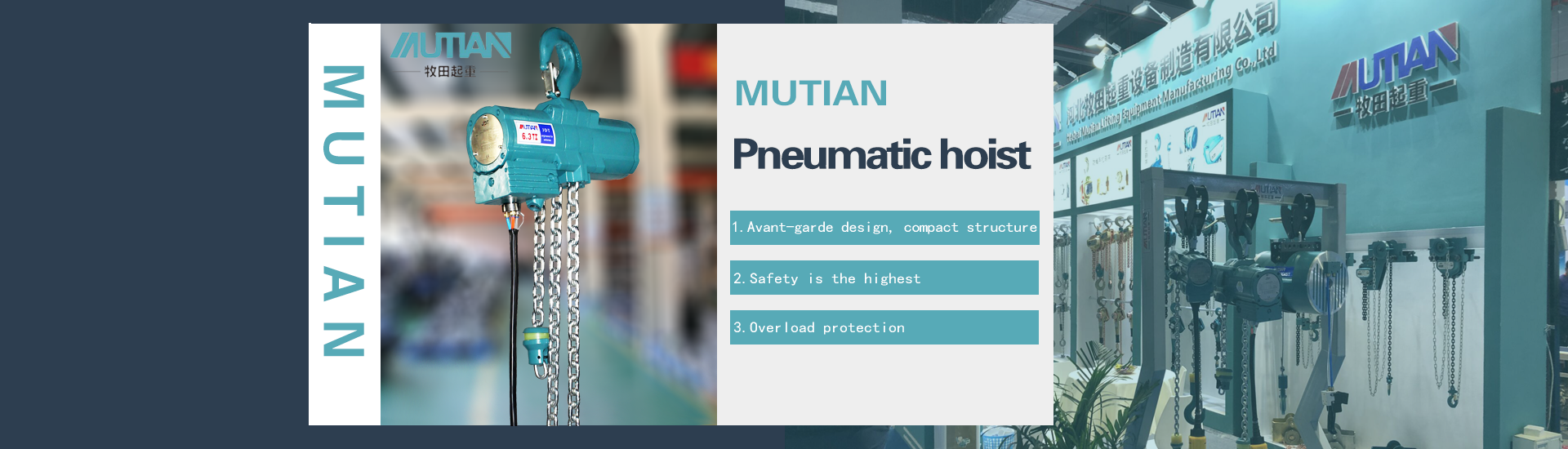
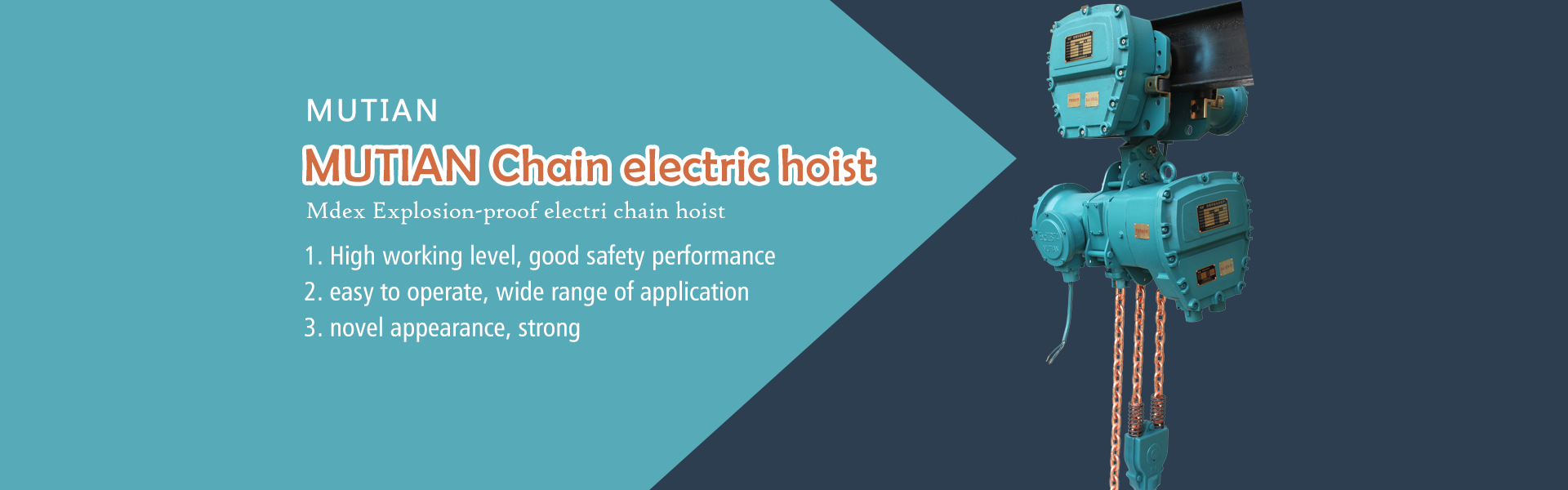
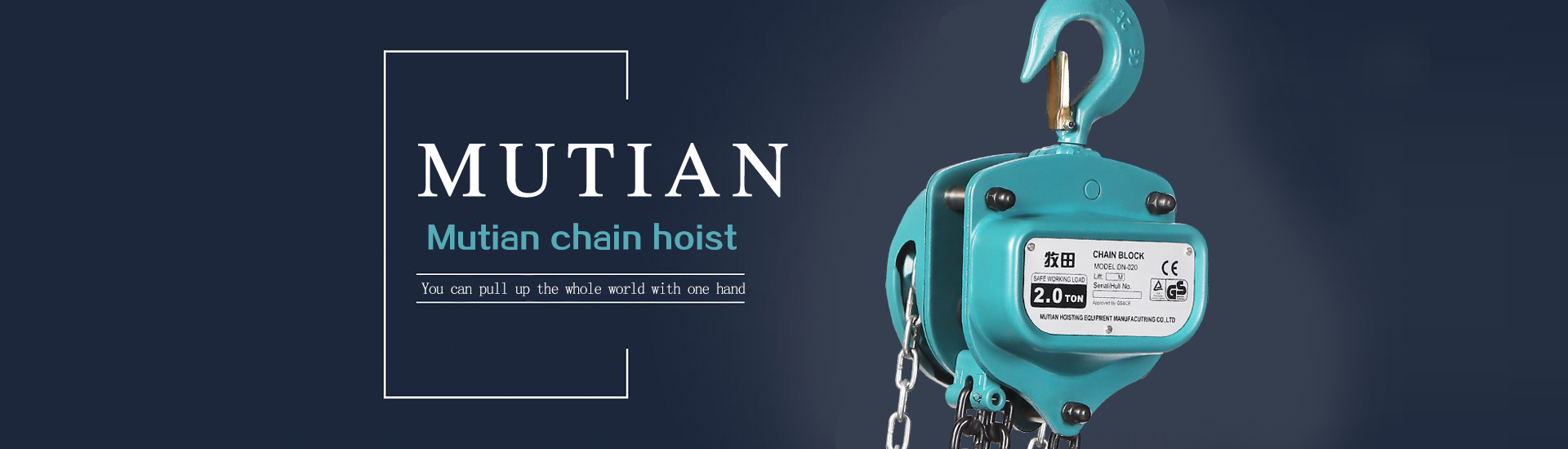
The main equipment produced by Hebei Makita: stage electric hoist, electric chian hoist, wire rope electric hoist,Hand chain hoist, lever hoist, pneumatic hoist and other lifting equipment
 phone
phone
 service
 message
 e-mail
