 中文版
中文版




releaseTime:2026-01-12 09:00:44source:Mu TiannumberOfPageViews:0
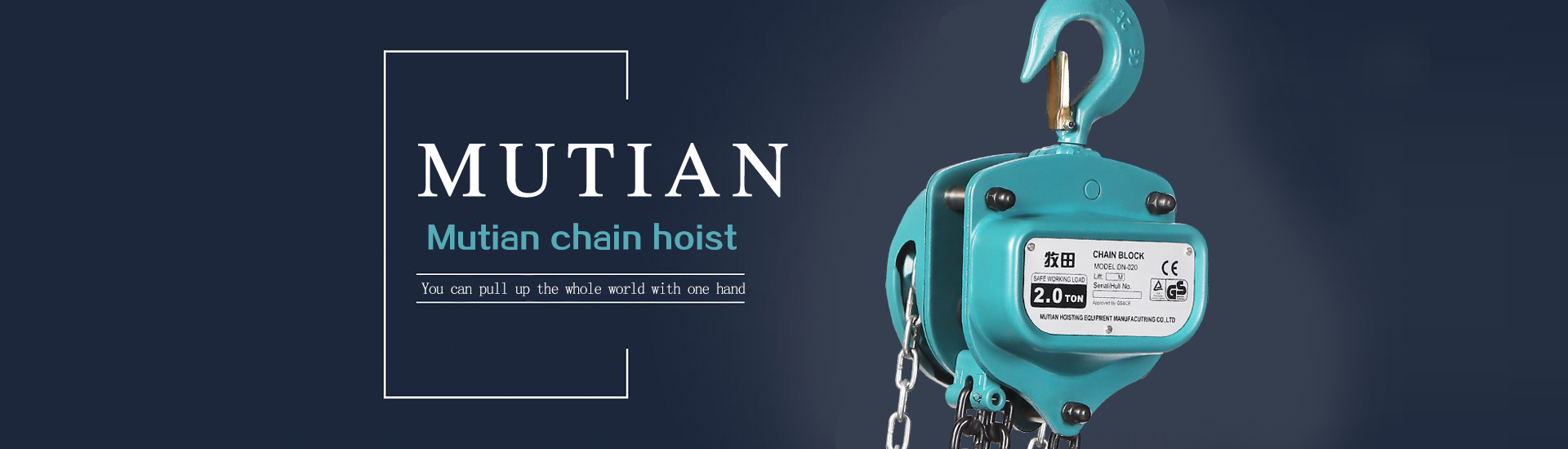
Manual hoist used in tunnel construction equipment is an indispensable lightweight lifting tool in tunnel engineering. Its design needs to be optimized according to the special environment of the tunnel (such as humidity, dust, limited space, high temperature, etc.), and strictly follow safety regulations. The following is a systematic analysis from four aspects: application scenarios, selection criteria, safety regulations, and optimized design:
1. Application scenarios and feature requirements
Core application: Mainly used for vertical lifting, horizontal traction, and diagonal handling of equipment/materials in tunnels, such as the installation of chilled water pipelines, steel structure hoisting, and transportation of shield machine components. For example, a certain tunnel project uses two chain hoists with a rated load of 1 ton to horizontally and uniformly lift the chilled water pipe (working load of 750kg), with a lifting speed controlled at 5cm/minute to ensure construction safety.
Environmental adaptability: It is necessary to have anti-corrosion (such as stainless steel chains, nickel plated hardening treatment), dustproof (sealed bearing design), high temperature resistance (using heat-resistant lubricating grease in high temperature environments), and explosion-proof (explosion-proof models should be selected for chemical/oil and gas tunnels) characteristics. Regularly lubricate the chain in a humid environment (such as applying rust proof grease) to avoid chain jamming or corrosion.
2. Selection criteria and parameter matching
Basic parameters: lifting capacity (0.5-50 tons, commonly used in tunnels 1-10 tons), lifting height (2.5-12 meters, customized according to tunnel height), working level (Z-level heavy load frequently used/Q-level light load infrequently used). For example, the HSZ type chain hoist has a wide lifting capacity range (0.5-32 tons) and a lifting height of 3-12 meters, which is suitable for the needs of multiple tunnel scenarios.
Structural parameters: Chain diameter (affecting load-bearing capacity, such as high tensile strength of 8mm chains), number of chain links (double chain design improves stability), hand tension (≤ 300N at full load to avoid operational fatigue). It is necessary to match the size of the tunnel space, such as using compact hand cranked hoists (small in size and flexible in operation) for narrow areas.
Special features: Explosion proof type (compliant with Ex standards), Waterproof type (IP65 protection level), Overload protection (automatically cutting off power when the load exceeds 10%), Braking system (dual pawl design, sliding displacement ≤ 5mm, better than the national standard of 15mm).
3. Safety regulations and operational requirements
Equipment inspection: Check the status of hooks, chains, and brakes before use to ensure that there are no cracks, deformations, or corrosion; The hook needs to be equipped with a locking device to prevent detachment; The chain must not twist or knot, and the hook under the double row chain must not flip.
Operating standards: Overloading is prohibited (rated load ≤ equipment nominal value); Personnel are not allowed to stand under heavy objects or within the lifting path during operation; The coordinated lifting of double gourds requires a dedicated person to command and distribute the load evenly; After the heavy object is lifted off the ground, it needs to be tested to confirm the reliability of the braking; Do not forcefully pull the chain or make sudden stops or starts.
Maintenance: Regularly conduct no-load operation checks (each mechanism operates flexibly without jamming) and static load tests (maintain 1.25 times the rated load for 10 minutes without slipping); Check the wear of the chain every six months (diameter wear ≤ 10%, pitch elongation ≤ 3%); The friction surface of the brake should be kept clean to avoid oil contamination affecting the braking performance; Long term storage should be coated with rust proof grease and placed in a dry and ventilated place.
4. Optimization design and technological innovation
Material Innovation: High strength alloy steel (tensile strength ≥ 800MPa) is used for dual stage heat treatment of isothermal quenching and low-temperature tempering to improve wear resistance (such as Chenghua chain hoist chain wear of only 0.2mm/3000 hours); The hook is made of integral forged steel (with a breaking force of 5 times the rated load), and the shell is made of HT200 high-strength cast iron (wall thickness error ≤ 0.5mm, impact strength 120kJ/m ²).
Structural optimization: By analyzing the Structural Function Derivative Coefficient (SFDC), sensitive parameters such as the main journal diameter and connecting rod journal diameter are optimized (sensitivity>20%) to achieve a balance between lightweight and strength; Optimization of box girder/I-beam section combined with finite element analysis to reduce material redundancy and improve stiffness.
Intelligent upgrade: Integrated overload protection device (automatic shutdown when the load exceeds 10%), height limit infrared sensing, emergency switch and isolation switch, in compliance with CE/CMA certification; Some models are equipped with high-precision sensors and handheld controllers to achieve real-time monitoring of weight and speed, as well as uniform descent control, solving the technical bottleneck of traditional "can only go up, cannot go down".
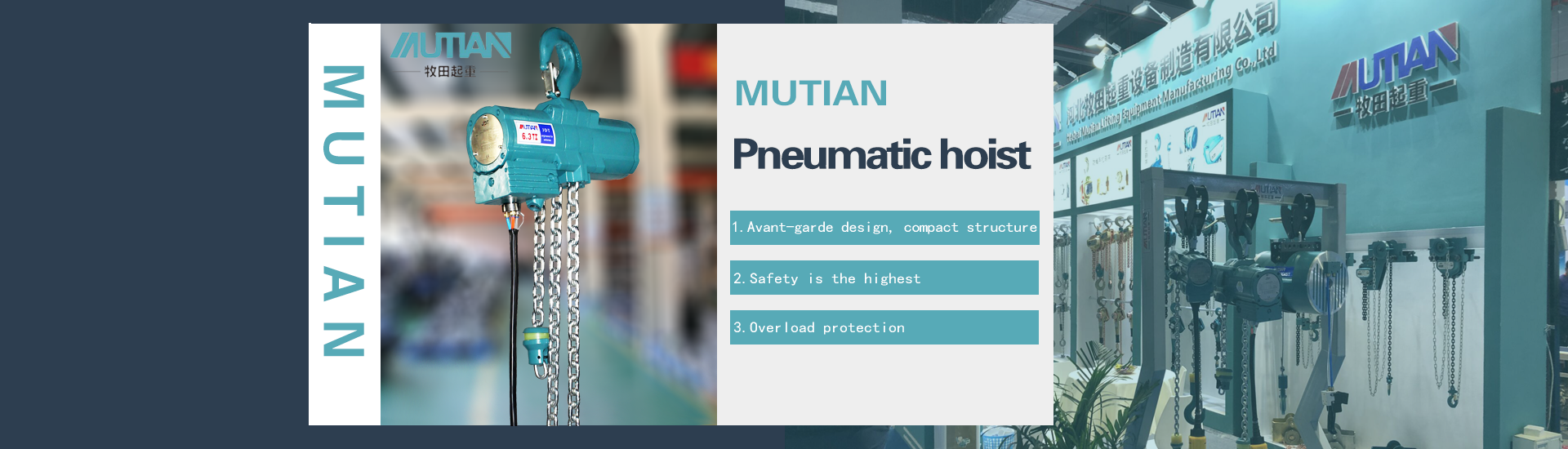
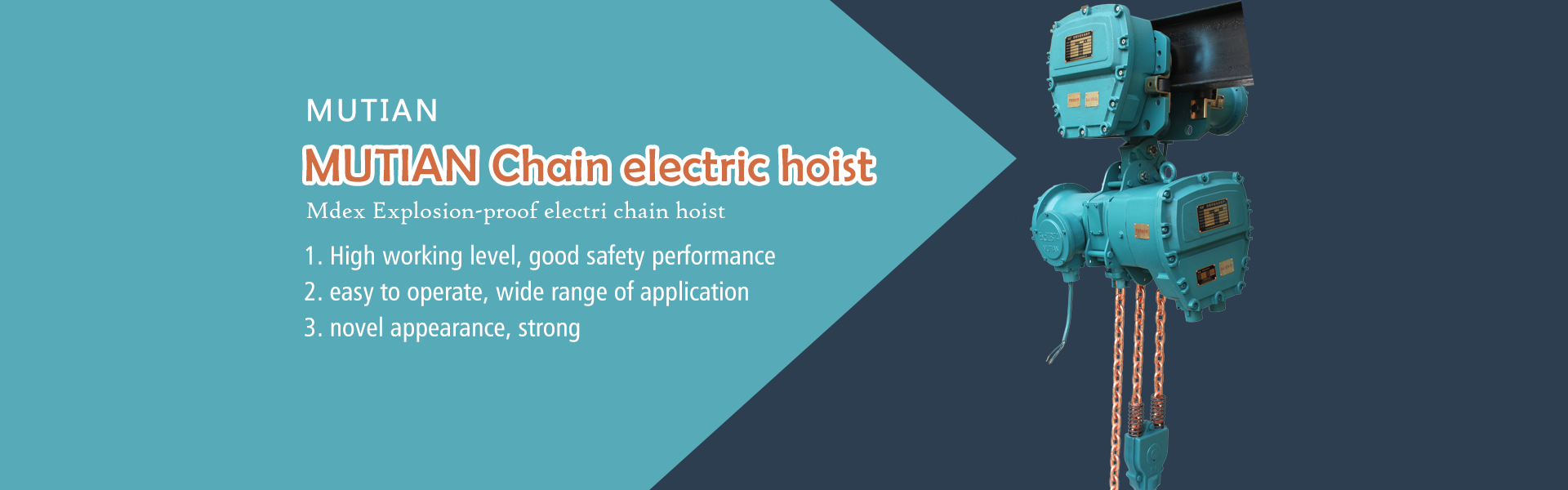
The main equipment produced by Hebei Makita: stage electric hoist, electric chian hoist, wire rope electric hoist,Hand chain hoist, lever hoist, pneumatic hoist and other lifting equipment
 phone
phone
 service
 message
 e-mail
