 中文版
中文版




releaseTime:2025-08-07 09:29:51source:Mu TiannumberOfPageViews:0
Manual Hydraulic Forklifts: Strengths in Flexibility and Widespread Applications
Manual hydraulic forklifts, also known as hand pallet trucks or pump trucks, are indispensable material handling tools in warehouses, factories, logistics centers, and retail environments. Their strong flexibility and versatility make them a preferred choice for short-distance, low-to-medium-load transportation tasks. Below is an in-depth analysis of their flexibility and key applications:
I. Key Features Contributing to Flexibility
1. Compact & Portable Design
Lightweight and maneuverable:
Unlike motorized forklifts, manual hydraulic models are small, easy to steer, and require minimal training to operate.
Their narrow profile allows navigation in tight spaces (e.g., narrow aisles, small storage rooms).
No power source required:
Operated by human pumping, eliminating the need for batteries, fuel, or electrical outlets.
Ideal for outdoor or temporary work sites without access to power.
2. Adjustable Fork Width & Height
Customizable fork spacing:
Many models allow manual adjustment of fork width to accommodate different pallet sizes (e.g., Euro pallets, industrial pallets).
Precise lifting control:
The hydraulic pump enables gradual lifting and lowering, reducing the risk of load damage.
Forks can be lowered to ground level for easy loading/unloading.
3. Low Maintenance & Cost-Effective
Simpler mechanics:
Fewer moving parts compared to electric or diesel forklifts, reducing breakdown risks.
Maintenance typically involves lubrication, seal replacement, and hydraulic oil checks.
Affordable operation:
No fuel or electricity costs, and lower initial investment than powered alternatives.
4. Quick Deployment
Instant readiness:
No startup time required; operators can begin work immediately.
Suitable for intermittent or ad-hoc tasks where powered equipment would be inefficient.
II. Widespread Applications
1. Warehousing & Logistics
Pallet movement:
Transporting goods between storage racks, loading docks, and trucks.
Order picking:
Retrieving pallets from high shelves (when paired with scissor lifts or ramps).
Cross-docking:
Rapid transfer of goods between incoming and outgoing shipments.
2. Retail & Supermarkets
Stock replenishment:
Moving heavy inventory (e.g., beverages, appliances) from delivery trucks to shelves.
Backroom operations:
Organizing pallets in storage areas with limited space.
3. Manufacturing & Workshops
Material handling:
Transporting raw materials, components, or finished products between workstations.
Loading/unloading machines:
Positioning heavy tools or dies under presses or CNC machines.
4. Agriculture & Farming
Feed and supply movement:
Moving sacks of grain, animal feed, or fertilizer in barns or storage sheds.
Equipment transport:
Shifting small machinery or tools across uneven terrain (rugged-tire models available).
5. Specialized Environments
Cold storage:
Manual forklifts with stainless steel or corrosion-resistant components operate in freezers without electrical failures.
Cleanrooms:
Non-powered designs minimize contamination risks in pharmaceutical or electronics manufacturing.
III. Advantages Over Powered Forklifts
Factor Manual Hydraulic Forklift Powered Forklift (Electric/Diesel)
Cost Lower purchase & operating costs Higher initial investment & maintenance
Flexibility Excellent in tight spaces Requires wider turning radius
Noise Silent operation Noisy (especially diesel models)
Environmental Impact Zero emissions Produces exhaust (diesel) or requires charging (electric)
Training Minimal training required Requires certification & safety courses
IV. Limitations & Mitigations
1. Limited Load Capacity
Typical range: 1,000–5,000 kg (2,200–11,000 lbs).
Mitigation: Use heavier-duty models or distribute loads across multiple trips.
2. Operator Fatigue
Prolonged use: Manual pumping can tire operators, reducing efficiency.
Mitigation: Rotate tasks, use ergonomic handles, or consider semi-electric models.
3. Slope Limitations
Not ideal for inclines: Risk of load shifting or tipping.
Mitigation: Avoid ramps >5% grade; use powered alternatives for steep slopes.
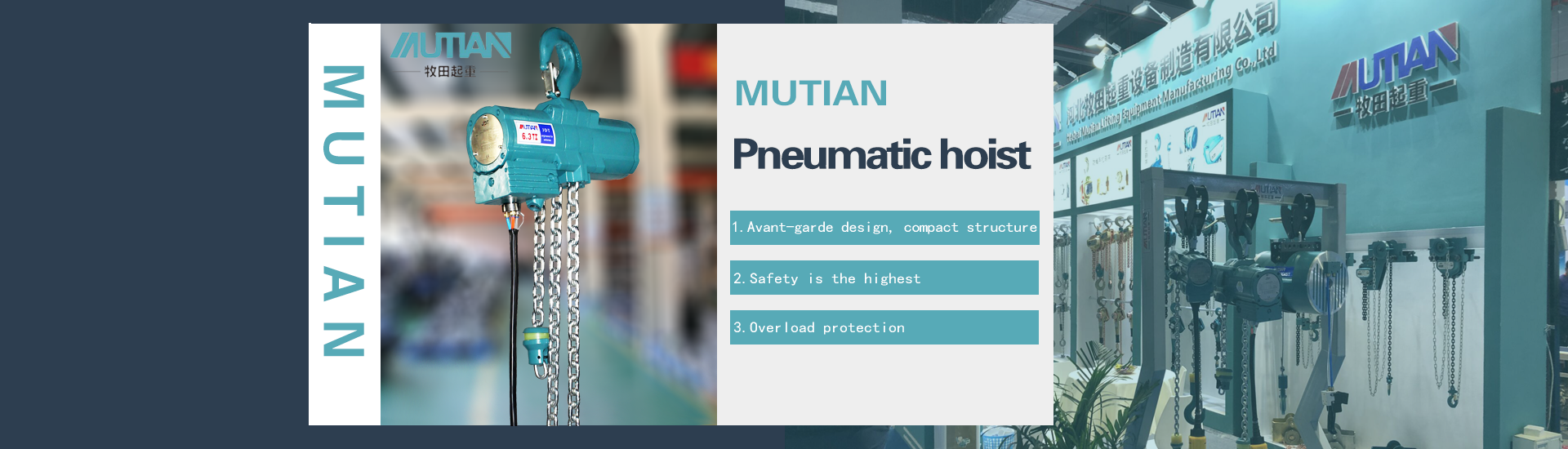
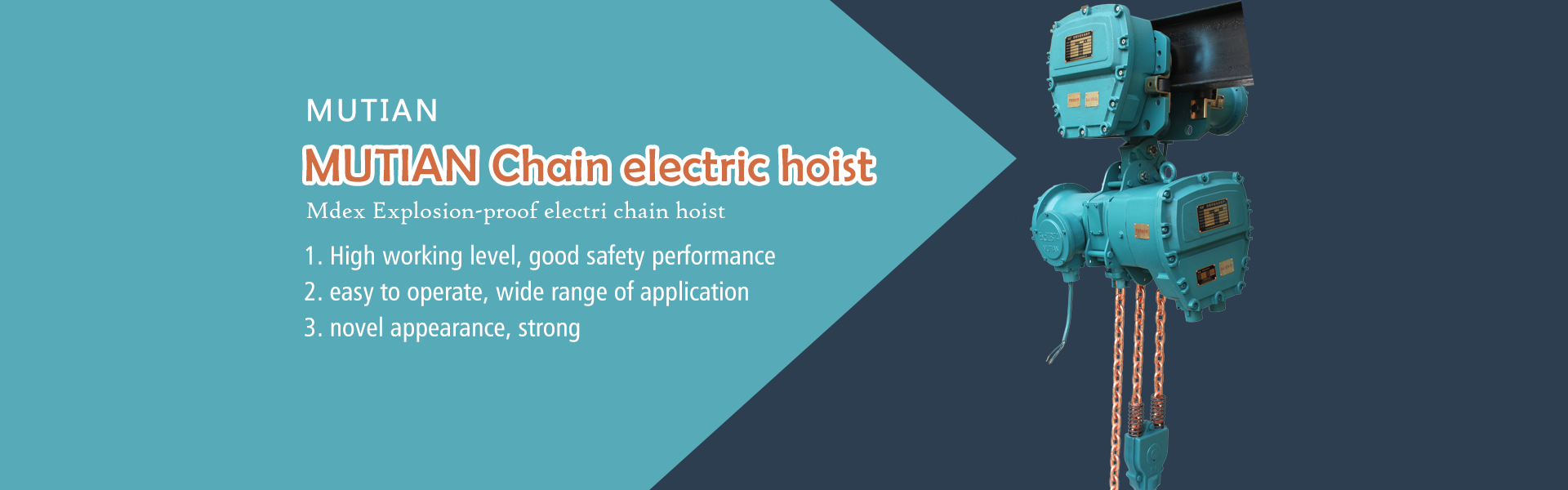
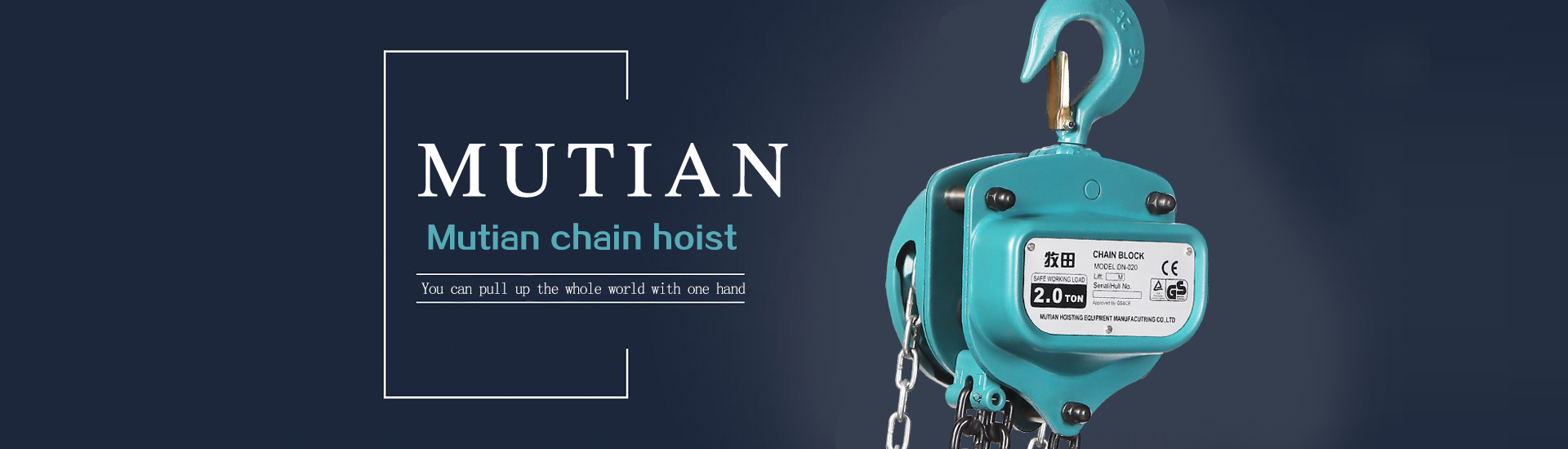
The main equipment produced by Hebei Makita: stage electric hoist, electric chian hoist, wire rope electric hoist,Hand chain hoist, lever hoist, pneumatic hoist and other lifting equipment
 phone
phone
 service
 message
 e-mail
