 中文版
中文版





releaseTime:2025-12-06 08:35:38source:Mu TiannumberOfPageViews:0
Single-beam cranes, as critical lifting equipment in industrial settings, require meticulous precautions at each stage of their lifecycle to ensure safety, reliability, and longevity. Below are detailed precautions categorized by installation, operation, maintenance, and decommissioning stages:
I. Installation Stage Precautions
Site Preparation & Environmental Assessment
Foundation Inspection: Ensure the installation site meets structural requirements (e.g., concrete strength, load-bearing capacity). For overhead cranes, verify ceiling/beam stability.
Space Clearance: Maintain adequate clearance around the crane (e.g., 0.5–1m from walls) to prevent collisions during operation.
Environmental Checks: Avoid areas with high humidity, corrosive gases, or extreme temperatures unless the crane is specifically rated for such conditions.
Component Verification
Inspection of Parts: Check for damage or defects in critical components (e.g., beams, hooks, wheels, and electrical cables) before assembly.
Lubrication: Apply lubricant to moving parts (e.g., wheels, gears) as per manufacturer guidelines to reduce initial wear.
Professional Installation
Certified Technicians: Engage qualified personnel for assembly to ensure compliance with safety standards (e.g., GB/T 3811-2008 in China).
Alignment & Calibration: Use laser alignment tools to ensure the beam is level and parallel to the runway. Misalignment can cause uneven load distribution and premature failure.
Load Testing & Certification
Static Load Test: Apply 125% of the rated load for 10–15 minutes to verify structural integrity.
Dynamic Load Test: Operate the crane with 110% of the rated load to check for abnormal vibrations or noises.
Documentation: Obtain a safety inspection certificate from local authorities before commissioning.
II. Operation Stage Precautions
Operator Training & Certification
Training Programs: Ensure operators complete theoretical and practical training on crane controls, load handling, and emergency procedures.
Certification: Require operators to hold valid licenses (e.g., China’s "Special Equipment Operation Certificate") and renew them periodically.
Load Management
Weight Limits: Never exceed the rated load capacity. Use load indicators or digital weighing systems for accuracy.
Load Distribution: Avoid eccentric loading, which can cause tipping or beam deformation.
Secure Loads: Use slings, chains, or magnets appropriate for the load type and ensure they are properly attached.
Safe Operating Practices
Speed Control: Operate at low speeds when lifting heavy loads or navigating tight spaces.
Avoid Sudden Movements: Gradually accelerate/decelerate to prevent load swinging.
Visibility: Ensure the operator has a clear view of the load and surroundings; use spotters if necessary.
Prohibited Actions: Do not lift loads over personnel, drag loads, or use the crane as a hoist for non-designated purposes.
Environmental Adaptation
Wind Resistance: For outdoor cranes, stop operations if wind speeds exceed the rated limit (typically 10–15 m/s).
Temperature Control: In extreme cold, preheat hydraulic systems to prevent sluggish operation; in high heat, ensure adequate ventilation for electrical components.
III. Maintenance Stage Precautions
Daily Inspections
Visual Checks: Look for cracks, corrosion, or loose bolts on the beam, hooks, and wheels.
Functional Tests: Verify brake responsiveness, limit switch accuracy, and emergency stop functionality.
Lubrication: Reapply grease to moving parts (e.g., bearings, gears) as needed.
Periodic Maintenance
Monthly Checks: Inspect electrical wiring for wear, test grounding, and clean contactors.
Quarterly Overhauls: Disassemble and inspect critical components (e.g., reducers, brakes) for wear; replace worn parts.
Annual Inspections: Conduct a comprehensive review by a certified engineer, including non-destructive testing (NDT) of the beam.
Component Replacement
Wear Limits: Replace hooks if cracks or deformation exceed 10% of the original dimension; change wires ropes when 10% of strands are broken.
Electrical Upgrades: Upgrade outdated control systems to improve safety and efficiency (e.g., replace analog controls with PLC-based systems).
Record-Keeping
Maintenance Logs: Document all inspections, repairs, and part replacements to track the crane’s history and predict future failures.
IV. Decommissioning Stage Precautions
Disassembly Planning
Safety Measures: Use lockout/tagout procedures to de-energize the crane before disassembly.
Component Handling: Label and store reusable parts (e.g., motors, gears) for potential reuse or resale.
Environmental Compliance
Hazardous Waste Disposal: Properly dispose of lubricants, batteries, and electrical components according to local regulations.
Scrap Metal Recycling: Recycle the beam and other metal parts to minimize environmental impact.
Site Restoration
Runway Removal: If applicable, dismantle the runway and restore the site to its original condition.
Key Safety Principles Across All Stages
Risk Assessment: Conduct a FMEA (Failure Mode and Effects Analysis) to identify and mitigate potential hazards.
Emergency Preparedness: Train personnel on fire extinguisher use, first aid, and evacuation routes.
Regulatory Compliance: Adhere to national standards (e.g., OSHA in the U.S., GB/T in China) and industry-specific guidelines.
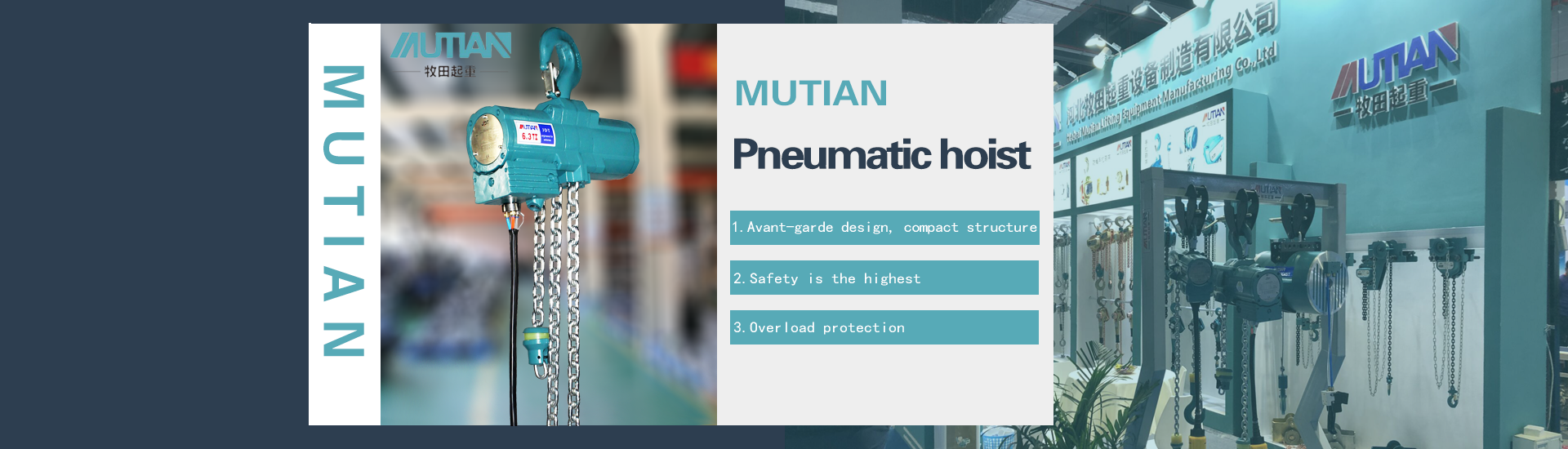
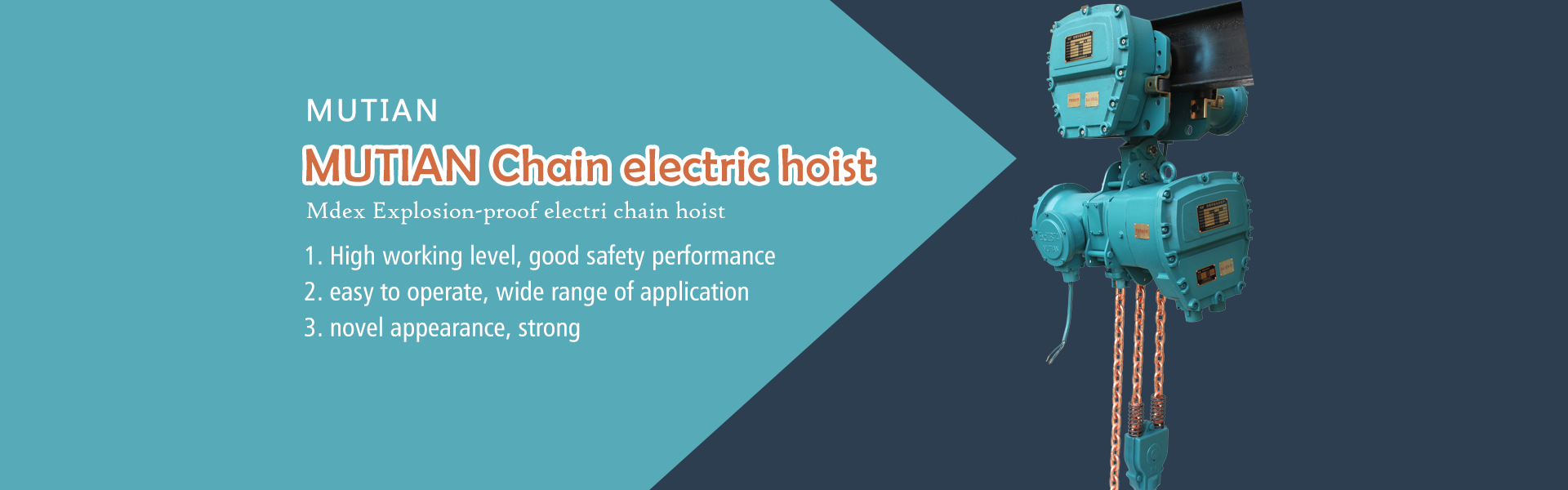
The main equipment produced by Hebei Makita: stage electric hoist, electric chian hoist, wire rope electric hoist,Hand chain hoist, lever hoist, pneumatic hoist and other lifting equipment
 phone
phone
 service
 message
 e-mail
