 中文版
中文版





releaseTime:2025-11-24 09:40:28source:Mu TiannumberOfPageViews:0
Operating electric hoists safely and effectively requires attention to precautions at different stages of their use, including pre-operation, during operation, and post-operation. Here are detailed precautions for each stage:
Pre-Operation Precautions
Inspection and Maintenance
Visual Inspection: Check the hoist for visible damage, such as cracks in the frame, worn or frayed wire ropes, and loose or damaged components.
Electrical Inspection: Ensure that all electrical connections are secure and that there are no exposed wires or signs of electrical damage. Verify that the power supply matches the hoist's voltage requirements.
Lubrication: Lubricate moving parts, such as bearings and gears, according to the manufacturer's recommendations to reduce friction and wear.
Brake Test: Perform a brake test to ensure that the braking system is functioning properly. The hoist should be able to hold the load securely when the brake is applied.
Limit Switch Test: Test the upper and lower limit switches to ensure they are working correctly. These switches prevent the hoist from overtraveling, which could cause damage or accidents.
Load Assessment
Weight Limit: Verify that the load to be lifted does not exceed the hoist's rated capacity. Overloading can cause the hoist to fail, leading to serious accidents.
Load Stability: Ensure that the load is stable and properly secured before lifting. Uneven or unbalanced loads can cause the hoist to tilt or sway, increasing the risk of accidents.
Load Shape and Size: Consider the shape and size of the load. Irregularly shaped or oversized loads may require special lifting attachments or techniques to ensure safe handling.
Environmental Assessment
Workspace Clearance: Ensure that there is sufficient clearance around the hoist and the load path to prevent collisions with obstacles or personnel.
Hazardous Conditions: Check for hazardous conditions, such as flammable materials, corrosive substances, or extreme temperatures, that could affect the hoist's operation or safety.
Lighting: Ensure that the workspace is well-lit to allow for clear visibility of the hoist, load, and surrounding area.
Personal Protective Equipment (PPE)
Head Protection: Wear a hard hat to protect against falling objects.
Eye Protection: Use safety glasses or goggles to protect against flying debris or splashes of chemicals.
Hand Protection: Wear gloves to protect hands from sharp edges, hot surfaces, or chemicals.
Foot Protection: Wear safety shoes with non-slip soles to prevent slips and falls.
During-Operation Precautions
Proper Operation Techniques
Smooth Start and Stop: Start and stop the hoist smoothly to avoid sudden jerks that could cause the load to swing or the hoist to malfunction.
Controlled Movement: Move the load at a controlled speed, avoiding rapid acceleration or deceleration.
Avoid Side Loading: Do not lift loads at an angle or side load the hoist, as this can cause uneven stress on the wire rope and other components, leading to premature failure.
Maintain a Safe Distance: Keep a safe distance from the load and the hoist during operation to avoid being struck by falling objects or caught in moving parts.
Load Handling
Secure the Load: Ensure that the load is properly secured with appropriate lifting attachments, such as slings, hooks, or clamps.
Avoid Overhangs: Do not allow the load to overhang the edge of a platform or structure, as this can cause the load to tip or the hoist to become unbalanced.
Monitor the Load: Continuously monitor the load during lifting and movement to ensure that it remains stable and secure.
Communication
Clear Signals: Use clear and standardized hand signals or radio communication to coordinate with other personnel involved in the lifting operation.
Emergency Signals: Establish and communicate emergency signals in case of an accident or malfunction.
Avoiding Distractions
Focus on the Task: Stay focused on the lifting operation and avoid distractions, such as talking on the phone or engaging in other activities that could divert attention from the task at hand.
Post-Operation Precautions
Load Placement
Secure the Load: Once the load has been lifted to the desired location, ensure that it is securely placed and will not move or tip over.
Remove Lifting Attachments: Remove any lifting attachments, such as slings or hooks, from the load and the hoist.
Hoist Shutdown
Power Off: Turn off the power to the hoist and disconnect it from the power source if necessary.
Brake Engagement: Ensure that the brake is engaged to prevent the hoist from moving unexpectedly.
Inspection and Maintenance
Post-Operation Inspection: Perform a post-operation inspection of the hoist to check for any signs of damage or wear that may have occurred during the lifting operation.
Maintenance Records: Keep detailed maintenance records, including inspection dates, findings, and any repairs or maintenance performed. This helps track the hoist's condition and schedule future maintenance tasks.
Storage
Proper Storage: Store the hoist in a clean, dry, and secure location when not in use. Protect it from exposure to moisture, dust, and extreme temperatures.
Covering: If necessary, cover the hoist with a protective cover to prevent damage from environmental factors.
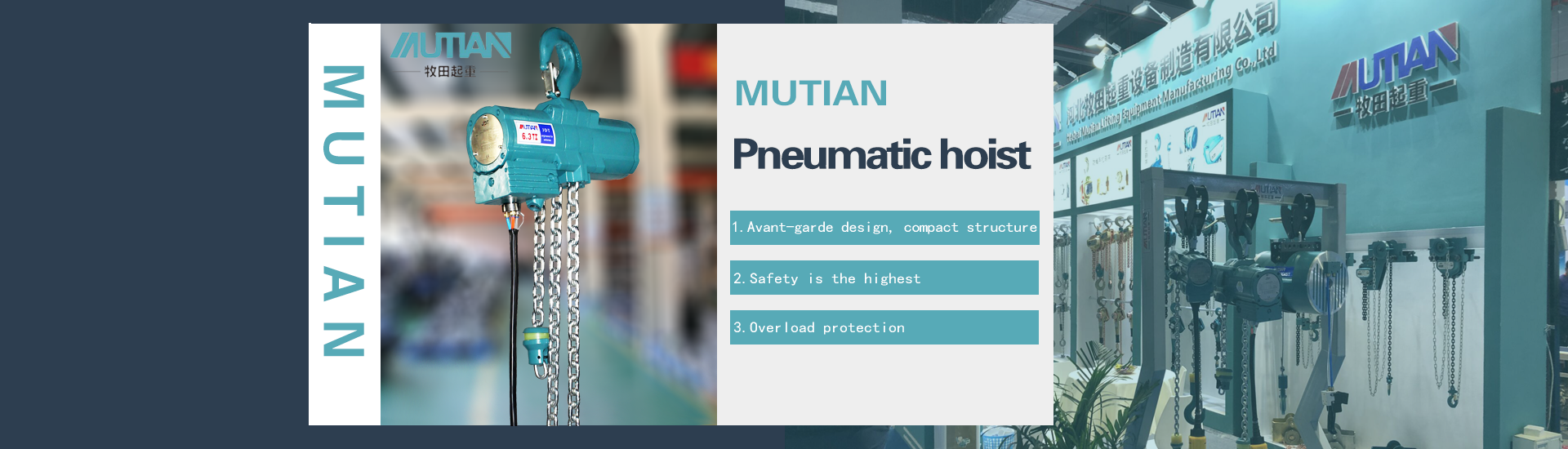
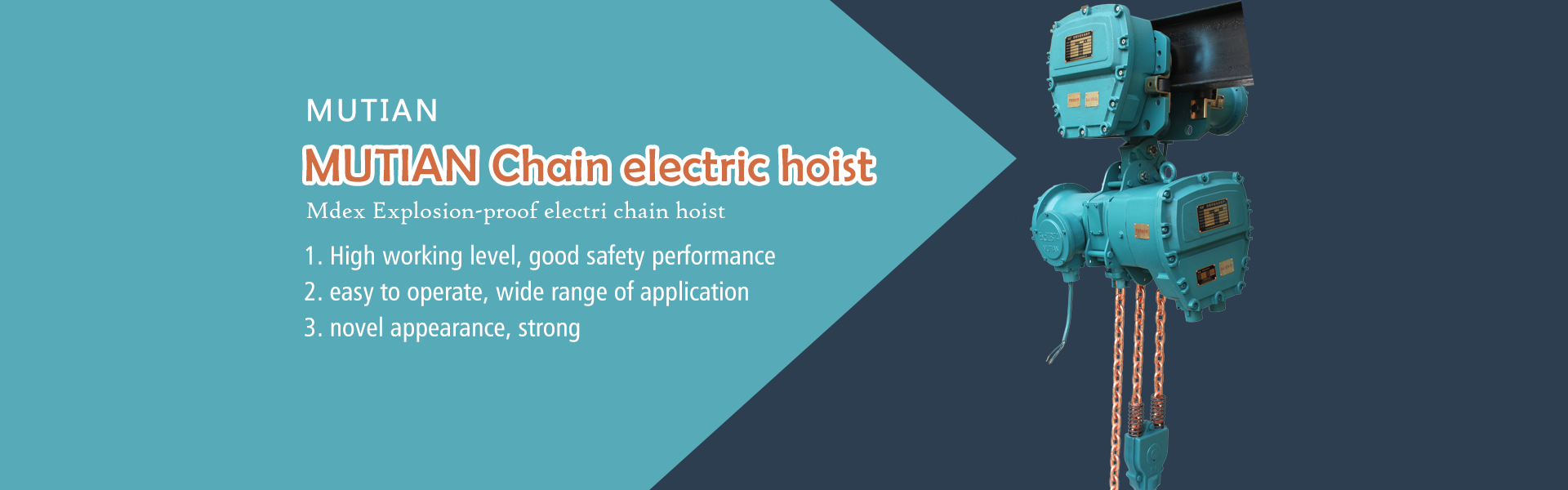
The main equipment produced by Hebei Makita: stage electric hoist, electric chian hoist, wire rope electric hoist,Hand chain hoist, lever hoist, pneumatic hoist and other lifting equipment
 phone
phone
 service
 message
 e-mail
