 中文版
中文版





releaseTime:2025-12-19 08:45:49source:Mu TiannumberOfPageViews:0
The use of manual forklifts for transporting cattle poses significant safety hazards and operational difficulties, and such operations are strictly prohibited. The following are specific reasons and alternative solutions:
1、 Safety hazards
Equipment design mismatch:
A manual forklift is an industrial equipment designed specifically for cargo handling. Its fork, hydraulic system, and wheels are all optimized for cargo handling needs and cannot adapt to the size and activity requirements of cows.
Cattle cannot be fixed on forks and are prone to slipping or tipping during transportation, resulting in injury or death of the cattle.
Operational safety risks:
The forklift driver's field of view is obstructed by the forks and cargo, making it difficult to observe the state of the cow (such as whether it is standing or struggling), which can easily lead to collision or crushing accidents.
Cattle may move, struggle, or excrete during transportation, causing the center of gravity of forklifts to shift and increasing the risk of overturning.
The design of forklifts cannot cope with sudden situations such as fright or struggle of cows, making it difficult for drivers to quickly control the situation.
Laws and regulations prohibit:
According to the Special Equipment Safety Law of the People's Republic of China, forklifts are classified as special equipment and their use is strictly limited to cargo handling. They are prohibited from transporting live animals.
Transporting live animals must comply with the Animal Epidemic Prevention Law and the Livestock Law, requiring the use of specialized transportation vehicles (such as animal drawn carts and specialized trucks) and equipped with ventilation, anti-skid, and fixing facilities to ensure animal safety.
2、 Operational difficulties
Poor environmental adaptability:
Forklifts are typically used on flat, hard surfaces, while transporting cattle may involve muddy, rugged, or sloping environments, making forklifts prone to slipping or losing control.
The minimum turning radius of forklifts is relatively large (usually ≥ 2.5 meters), making it difficult to operate flexibly in narrow spaces such as cattle sheds and breeding farm passages.
Efficiency and cost issues:
Transporting cattle requires frequent adjustment of fork height and direction, and the speed is slow (usually ≤ 5km/h), far lower than the efficiency of specialized animal powered transportation vehicles.
The purchase, maintenance, and operation costs of forklifts (such as hydraulic oil and tire wear) are much higher than traditional animal powered transportation tools (such as ox carts and tractors).
3、 Alternative solutions
Animal powered cart:
Like ox carts and horse drawn carriages, suitable for short distance and low-speed transportation, with low cost and in line with animal welfare requirements.
Specialized truck:
A truck equipped with ventilation, anti-skid and fixed facilities, suitable for medium to long-distance transportation, can ensure the safety and comfort of cattle.
Traction equipment:
Tractors or specialized tractors can be used in conjunction with animal powered trailers to improve transportation efficiency and stability.
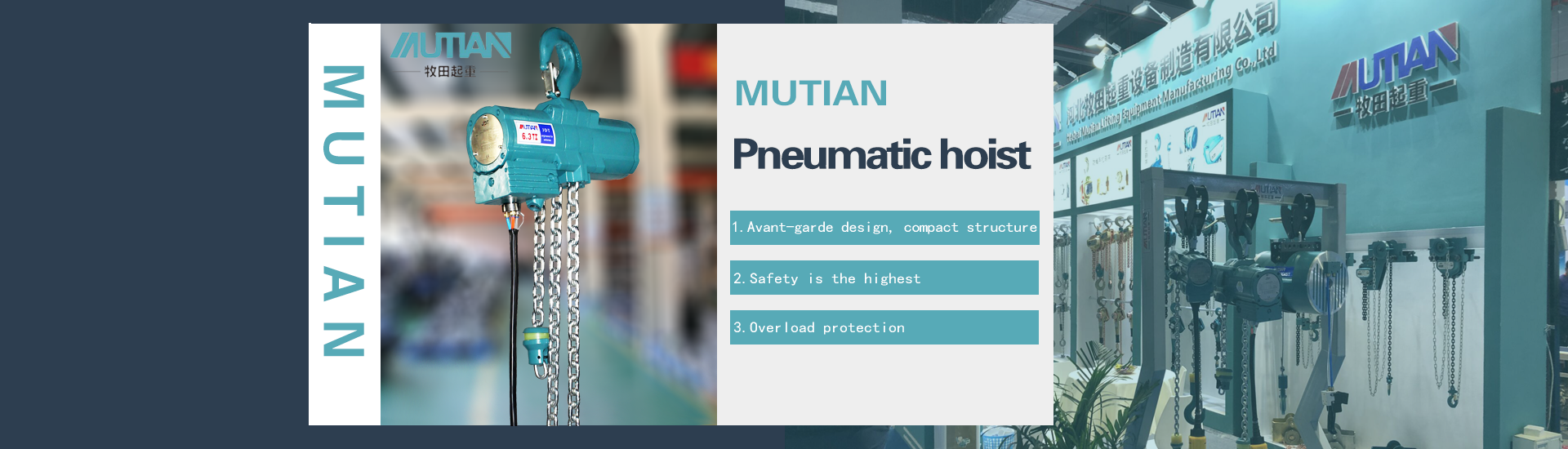
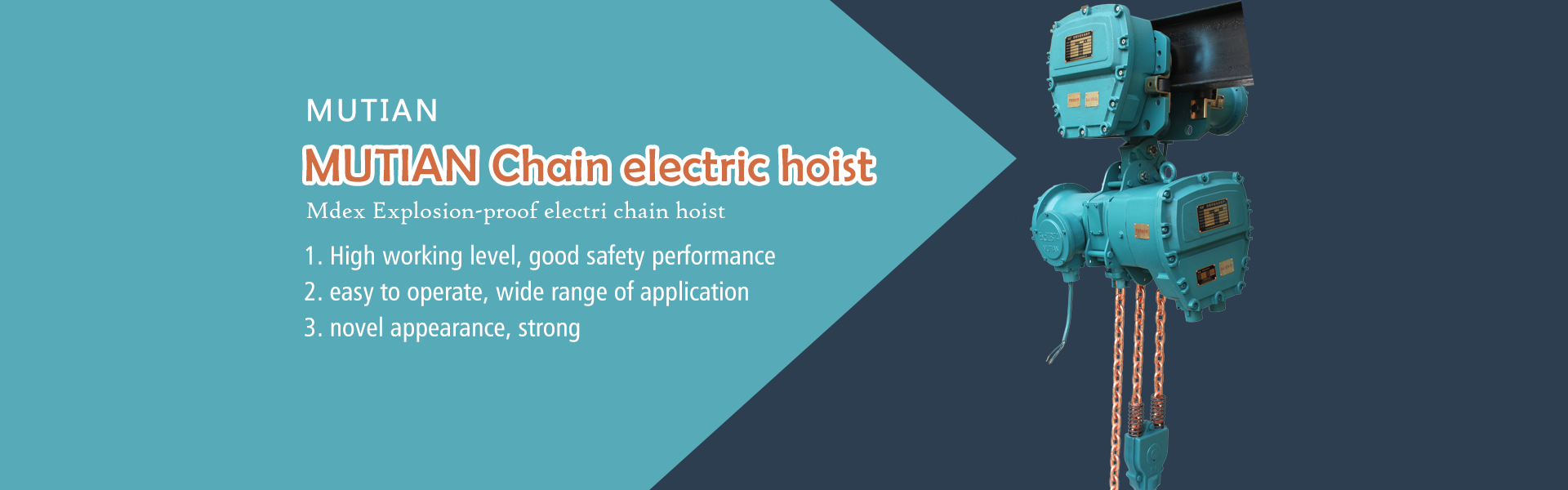
The main equipment produced by Hebei Makita: stage electric hoist, electric chian hoist, wire rope electric hoist,Hand chain hoist, lever hoist, pneumatic hoist and other lifting equipment
 phone
phone
 service
 message
 e-mail
