 中文版
中文版






releaseTime:2025-09-08 09:12:57source:Mu TiannumberOfPageViews:0
Preventing rust in a hydraulic hoist is crucial for maintaining its performance, extending its lifespan, and ensuring safety. Here are several effective rust prevention methods tailored for hydraulic hoists:
1. Material Selection and Coating
Use Corrosion-Resistant Materials: Choose stainless steel or other corrosion-resistant alloys for critical components like the cylinder, piston rod, and fittings.
Apply Protective Coatings:
Paint: Use high-quality, corrosion-resistant paint on the exterior surfaces of the hoist. Ensure proper surface preparation (cleaning, sanding, priming) before painting.
Zinc Plating: Electroplate or galvanize metal parts with zinc to provide a sacrificial coating that protects against corrosion.
Powder Coating: This offers a durable, thick finish that resists chipping, scratching, and corrosion.
2. Regular Maintenance and Cleaning
Clean Regularly: Remove dirt, grease, and other contaminants from the hoist using a mild detergent and water. Pay special attention to areas where moisture can accumulate.
Dry Thoroughly: After cleaning, ensure all parts are completely dry to prevent water from causing rust.
Inspect for Damage: Regularly inspect the hoist for signs of rust, corrosion, or damage to coatings. Address any issues promptly.
3. Lubrication
Use High-Quality Lubricants: Apply lubricants to moving parts, such as the piston rod and bearings, to reduce friction and prevent wear. Choose lubricants that are resistant to water and corrosion.
Re-lubricate Periodically: Follow the manufacturer's recommendations for re-lubrication intervals to maintain optimal performance and protection.
4. Environmental Control
Store Indoors: When not in use, store the hydraulic hoist in a dry, well-ventilated indoor area to minimize exposure to moisture and humidity.
Use Desiccants or Dehumidifiers: In humid environments, consider using desiccants or dehumidifiers to reduce moisture levels around the hoist.
Avoid Contaminants: Keep the hoist away from chemicals, salts, and other corrosive substances that can accelerate rust formation.
5. Protective Covers and Enclosures
Use Covers: When the hoist is not in use, cover it with a waterproof and breathable cover to protect it from dust, moisture, and UV rays.
Install Enclosures: If possible, install the hoist in an enclosure or shelter that provides additional protection from the elements.
6. Electrochemical Protection
Cathodic Protection: For severe environments, consider using cathodic protection systems, such as sacrificial anodes or impressed current systems, to protect metal parts from corrosion.
7. Proper Operation and Handling
Follow Operating Instructions: Operate the hoist according to the manufacturer's instructions to avoid overloading or misuse, which can cause damage and increase the risk of rust.
Avoid Abrasive Surfaces: When moving or positioning the hoist, avoid dragging it across abrasive surfaces that can scratch or damage coatings.
8. Regular Inspections and Testing
Visual Inspections: Conduct regular visual inspections to check for signs of rust, corrosion, or damage to coatings.
Functional Testing: Perform functional tests to ensure the hoist operates smoothly and without any unusual noises or vibrations, which could indicate internal corrosion or damage.
9. Use of Rust Inhibitors
Apply Rust Inhibitors: For additional protection, consider applying rust inhibitors or penetrating oils to metal surfaces. These products can form a protective film that prevents moisture from reaching the metal.
10. Training and Awareness
Train Personnel: Ensure that personnel operating and maintaining the hydraulic hoist are trained in proper rust prevention techniques and understand the importance of regular maintenance.
Create a Maintenance Schedule: Develop and follow a regular maintenance schedule that includes rust prevention measures to ensure consistent protection.
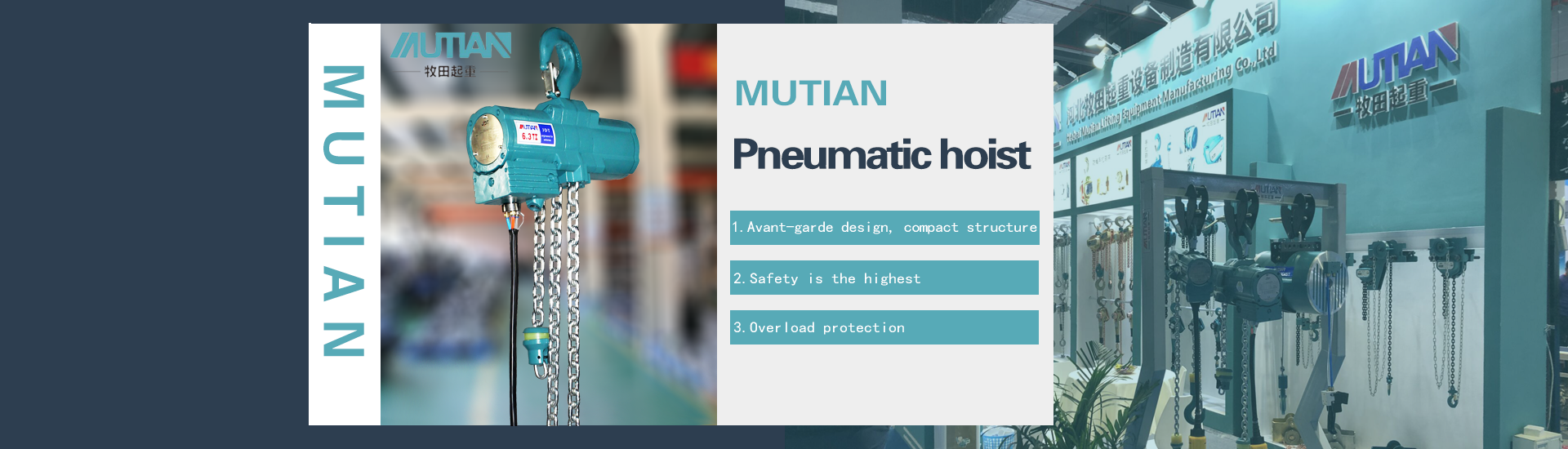
The main equipment produced by Hebei Makita: stage electric hoist, electric chian hoist, wire rope electric hoist,Hand chain hoist, lever hoist, pneumatic hoist and other lifting equipment
 phone
phone
 service
 message
 e-mail
