 中文版
中文版





releaseTime:2025-11-24 09:53:45source:Mu TiannumberOfPageViews:0
The running electric hoist indeed stands out for its stability and reliability, which are key factors contributing to its efficient and rapid operation across various industrial and commercial settings. Below is a detailed exploration of how these characteristics enhance the performance of electric hoists:
1. Stability: The Foundation of Efficient Operation
Robust Construction: Electric hoists are typically built with high-quality materials and robust structural designs. This ensures that they can withstand the stresses and strains associated with lifting heavy loads, maintaining stability even under challenging conditions.
Balanced Load Handling: The design of electric hoists incorporates features that promote balanced load handling. This includes evenly distributed weight across the lifting mechanism, reducing the risk of tilting or swaying during operation.
Anti-Sway Technology: Many modern electric hoists are equipped with anti-sway technology, which uses sensors and control algorithms to minimize load swing. This enhances stability, allowing for more precise positioning of loads and reducing the time required for each lifting task.
Stable Power Supply: Electric hoists rely on a stable power supply to operate smoothly. Fluctuations in voltage or power interruptions can disrupt the hoist's operation, leading to instability. However, legitimate electric hoists are designed to handle minor power variations and often include features like surge protection to ensure stable performance.
2. Reliability: Ensuring Consistent Performance
High-Quality Components: The use of high-quality components in electric hoists contributes to their reliability. Components such as motors, gearboxes, brakes, and wire ropes are selected for their durability and ability to withstand repeated use without failure.
Regular Maintenance: Proper maintenance is crucial for ensuring the reliability of electric hoists. Regular inspections, lubrication, and replacement of worn parts help prevent breakdowns and extend the lifespan of the hoist. Legitimate manufacturers often provide maintenance schedules and guidelines to assist users in keeping their hoists in optimal condition.
Overload Protection: Electric hoists are equipped with overload protection mechanisms that prevent the hoist from lifting loads that exceed its rated capacity. This not only protects the hoist from damage but also ensures the safety of operators and surrounding personnel.
Fail-Safe Features: Many electric hoists incorporate fail-safe features such as emergency stop buttons and limit switches. These features automatically halt the hoist's operation in case of an emergency or when the load reaches its maximum lifting height, preventing accidents and ensuring reliable performance.
3. Efficient and Rapid Operation Enabled by Stability and Reliability
Reduced Downtime: The stability and reliability of electric hoists translate into reduced downtime. When hoists operate smoothly without frequent breakdowns or malfunctions, production processes can continue uninterrupted, leading to increased efficiency.
Faster Lifting Speeds: Electric hoists with stable and reliable performance can operate at faster lifting speeds without compromising safety. This allows for quicker completion of lifting tasks, improving overall productivity.
Precise Positioning: The anti-sway technology and balanced load handling capabilities of electric hoists enable precise positioning of loads. This is particularly important in applications where accuracy is critical, such as in assembly lines or when positioning heavy equipment.
Increased Operator Confidence: When operators know that the electric hoist they are using is stable and reliable, they can work with greater confidence. This leads to more efficient operation, as operators are less likely to hesitate or make mistakes due to concerns about the hoist's performance.
4. Practical Examples of Efficient and Rapid Operation
Manufacturing Plant: In a manufacturing plant, electric hoists are used to lift and move raw materials, components, and finished products. The stability and reliability of these hoists ensure that materials are lifted and positioned accurately, reducing the time required for each task and improving overall production efficiency.
Construction Site: On a construction site, electric hoists are used to lift building materials to different floors. The hoists' ability to operate stably and reliably in challenging conditions, such as high winds or uneven surfaces, ensures that materials are delivered safely and efficiently, keeping the construction project on schedule.
Warehouse: In a warehouse, electric hoists are used for order picking and packing operations. The hoists' precise control and lifting capabilities enable operators to quickly and accurately pick products from storage areas and move them to packing stations, improving order fulfillment times and customer satisfaction.
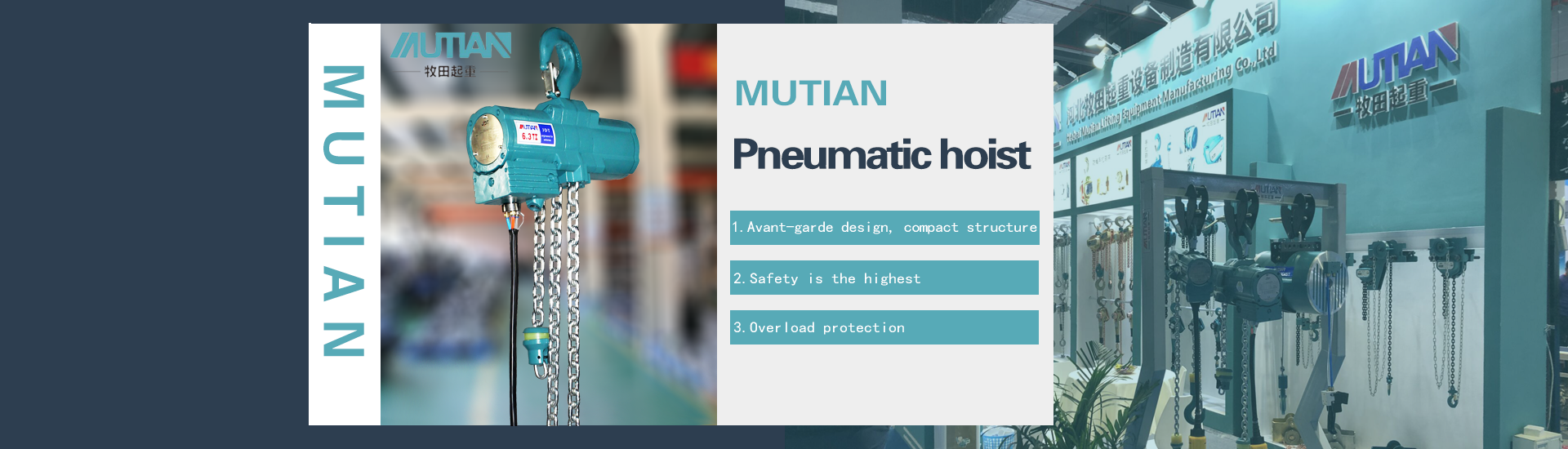
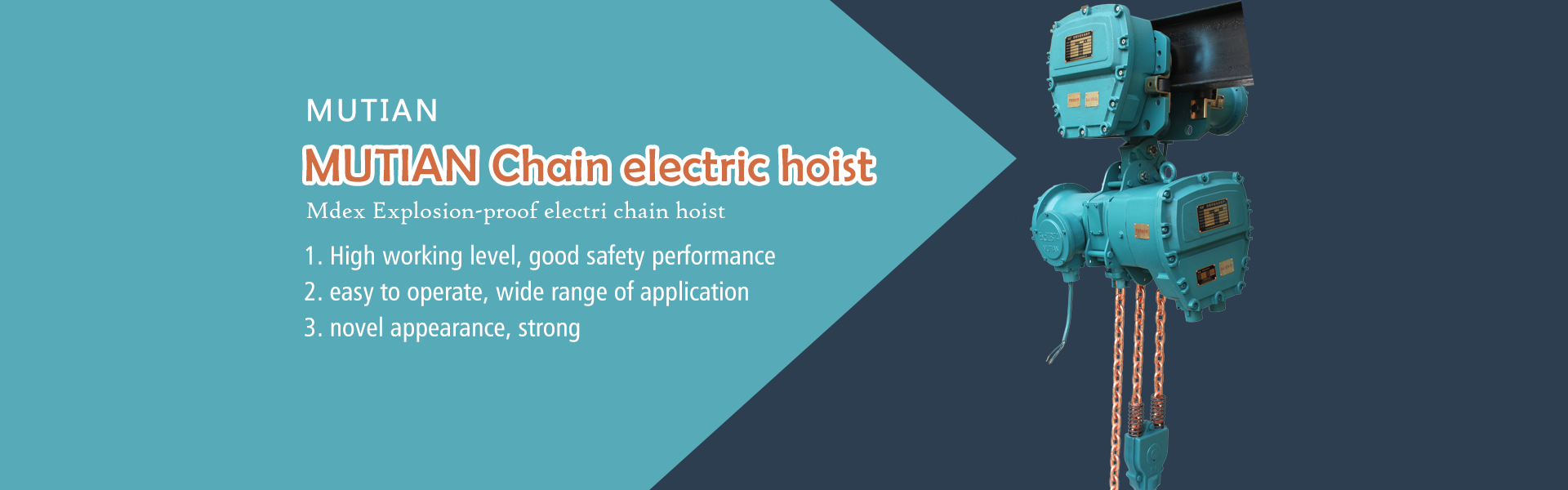
The main equipment produced by Hebei Makita: stage electric hoist, electric chian hoist, wire rope electric hoist,Hand chain hoist, lever hoist, pneumatic hoist and other lifting equipment
 phone
phone
 service
 message
 e-mail
