 中文版
中文版





releaseTime:2025-09-09 08:46:33source:Mu TiannumberOfPageViews:0
To prevent fatigue and damage to the hydraulic hoist chain, comprehensive measures need to be taken from multiple aspects such as design selection, operation, maintenance, and environmental control to ensure that the chain operates in a safe and reliable state. The following are specific measures:
1、 Reasonable design and selection
Material selection
Prioritize the use of high-strength, wear-resistant, and corrosion-resistant alloy steel materials (such as 40Cr, 42CrMo) to enhance the fatigue resistance of the chain.
Avoid using inferior materials or non-standard chains to prevent early breakage due to material defects.
structural optimization
Choose the appropriate number of chain links and pitch based on the load, height, and operating frequency to avoid overloading or excessive stretching of the chain.
Adopting double or multiple row chain structures to distribute loads and reduce single chain stress concentration.
Safety factor design
The safety factor of the chain should be ≥ 5 (static load) or ≥ 8 (dynamic load) to ensure structural integrity under extreme working conditions.
Regularly review the safety factor and adjust the design parameters based on actual usage.
2、 Standardize usage and operation
Avoid overloading operation
Strictly use according to the rated load, prohibit overloading or unbalanced loading, and prevent excessive local stress on the chain.
Maintain a stable load during the lifting process and avoid impact loads (such as emergency stop and acceleration).
Control the speed of increase
The flow rate of the hydraulic system should be matched with the load-bearing capacity of the chain to avoid increased chain shaking or wear caused by high-speed lifting.
Uniform lifting and lowering to reduce fatigue damage caused by repeated bending and stretching of the chain.
Reduce no-load operation
When unloaded, the chain will still generate bending stress due to its own weight, and long-term unloaded may accelerate fatigue crack propagation.
Reasonably arrange homework plans and reduce unnecessary idle cycles.
3、 Strengthen maintenance and upkeep
periodical lubrication
Regularly apply specialized grease (such as lithium based grease) to the chain to reduce friction and wear.
The lubrication cycle is determined based on the frequency of use and environmental conditions (usually every 100 hours or once a month).
Cleaning and rust prevention
Timely remove oil stains, dust, and impurities from the surface of the chain to prevent corrosive substances from corroding.
In humid or corrosive environments, rust prevention treatments such as galvanizing and spraying are used to extend the life of the chain.
tensioning
Regularly check the tightness of the chain to avoid excessive looseness causing tooth jumping or excessive tension increasing tensile stress.
Use a tension meter or visual adjustment to ensure that the chain sag meets the standard (usually 2% -4% of the chain link length).
Replace worn parts
Regularly measure key dimensions such as chain link thickness and pin shaft diameter, and replace immediately if wear exceeds 10% of the original size.
When replacing chains, they should be replaced in groups to avoid uneven force caused by the mixing of old and new chains.
4、 Optimize the operating environment
temperature control
The working temperature of the hydraulic system should be controlled between 25-55 ℃ to avoid high temperature causing annealing of the chain material or low temperature causing brittle fracture.
In high-temperature environments, use heat-resistant chain materials or add cooling devices.
Dust prevention and sealing
In a dusty environment, install dust covers or sealing devices on the chain to reduce the entry of particles into the gap between the chain links.
Regularly check the sealing of the hydraulic system to prevent oil leakage from contaminating the chain.
Vibration isolation
Install shock absorbers for hydraulic hoists under high vibration conditions to reduce dynamic stress on the chain.
Avoid frequent collisions between chains and fixed components to reduce micro motion wear.
5、 Intelligent monitoring and early warning
Install sensors
Install strain sensors or vibration sensors at key parts of the chain to monitor real-time parameters such as stress and vibration frequency.
Predicting chain fatigue life through data analysis and developing maintenance plans in advance.
Establish and maintain archives
Record the usage time, load situation, maintenance records, and other information of the chain to provide a basis for life assessment.
Using RFID tags or QR code identification chains to achieve full lifecycle traceability management.
6、 Personnel training and emergency management
Operation Training
Provide professional training to operators to familiarize them with chain inspection methods, lubrication cycles, and abnormal handling procedures.
Regularly organize safety drills to improve emergency response capabilities.
Emergency Response Plan
Develop an emergency plan for chain breakage, specifying steps such as shutdown, isolation, and rescue.
Equipped with spare chains and maintenance tools to shorten downtime due to malfunctions.
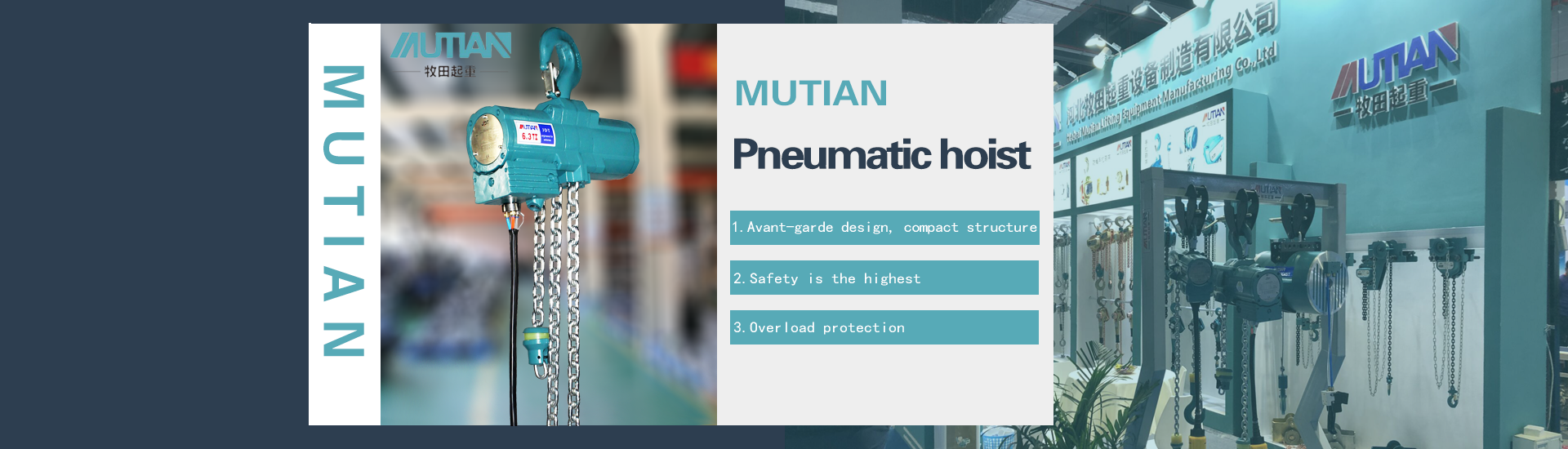
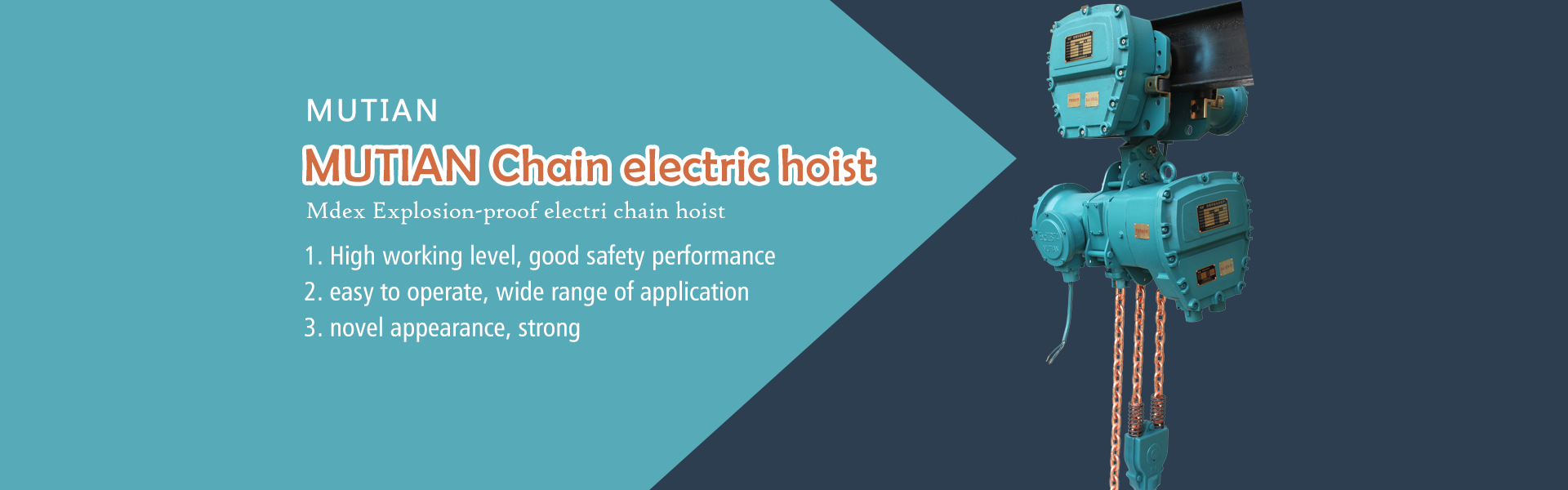
The main equipment produced by Hebei Makita: stage electric hoist, electric chian hoist, wire rope electric hoist,Hand chain hoist, lever hoist, pneumatic hoist and other lifting equipment
 phone
phone
 service
 message
 e-mail
