 中文版
中文版





releaseTime:2025-09-10 08:44:07source:Mu TiannumberOfPageViews:0
The noise generated by a hydraulic hoist primarily stems from hydraulic pump issues, air intrusion, system vibrations, mechanical imbalances, and valve or pipe resonances, each contributing through distinct mechanisms that amplify noise levels. Below is a detailed analysis of the reasons:
Hydraulic Pump Issues:
Poor Quality or Wear: The hydraulic pump is often the main source of noise in hydraulic systems. If the pump is of poor quality or has worn out over time, it can lead to increased pressure and flow fluctuations, resulting in noise. This includes issues such as inadequate precision, poor sealing, and bearing wear.
Pressure and Flow Pulsations: The periodic suction and discharge of oil by the pump's gears, vanes, or pistons cause periodic changes in flow and pressure. These pulsations can induce vibrations in the pump components, which in turn cause the surrounding air to vibrate, generating noise.
Air Intrusion:
Air Entrapment: When air enters the hydraulic system, it expands and contracts as it moves between low- and high-pressure zones. This sudden change in volume can create a "cavitation" effect, producing loud knocking or banging sounds. Air can enter the system through pump intake lines, shaft seals, or low fluid levels in the reservoir.
System Vibrations:
Pipe Vibrations: Long, thin metal pipes with multiple bends that are not properly secured can vibrate when oil flows through them, especially at high flow rates. This vibration can radiate noise throughout the system.
Resonance: Vibrations from sources such as the hydraulic pump, motor, or valves can cause resonances in the system's baseplate, pipes, or other components, amplifying the noise.
Mechanical Imbalances:
Rotor Imbalance: High-speed rotating components like motors, pumps, and hydraulic motors can generate periodic unbalanced forces if their rotors are not properly balanced. This can cause bending vibrations in the shaft, leading to noise.
Installation Issues: Improper installation, such as misalignment between the pump and motor, loose couplings, or inadequate pipe supports, can also contribute to vibrations and noise.
Valve and Pipe Resonances:
Valve Noise: Different types of valves (e.g., pressure control valves, directional control valves) can generate noise due to factors like valve chattering, unstable throttling, or pressure fluctuations.
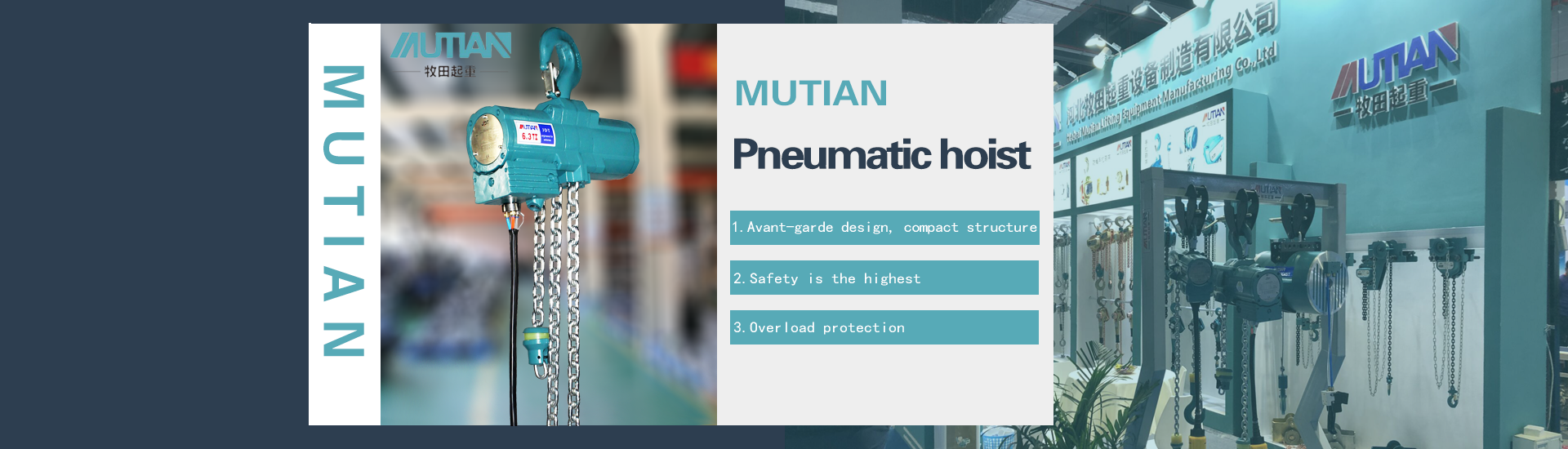
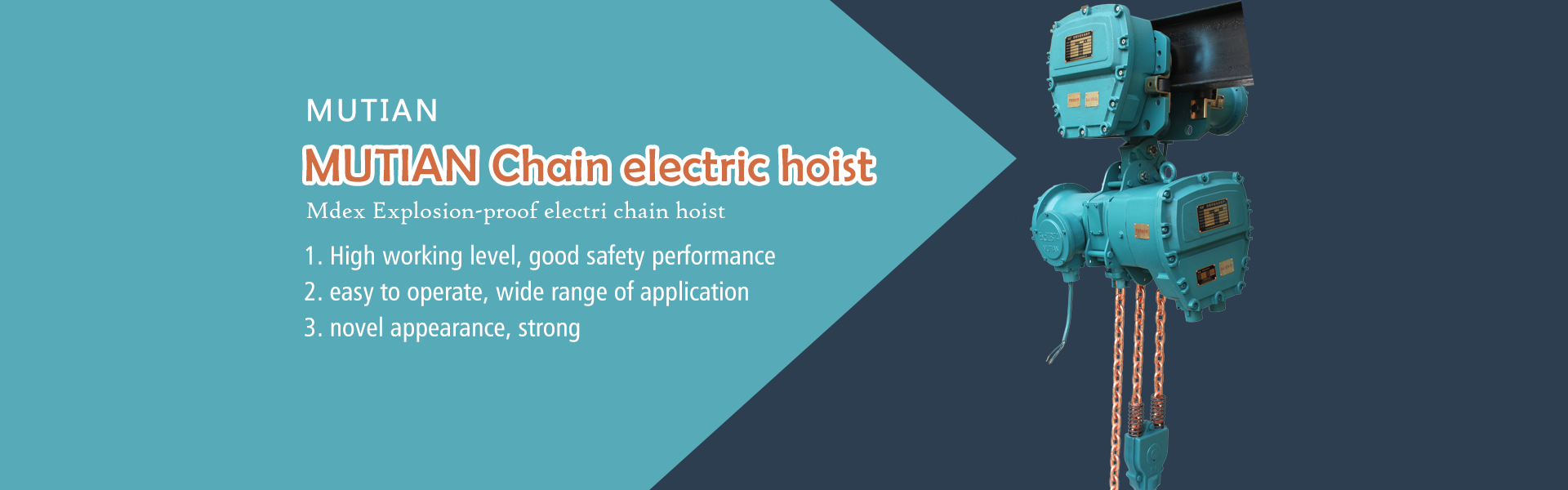
The main equipment produced by Hebei Makita: stage electric hoist, electric chian hoist, wire rope electric hoist,Hand chain hoist, lever hoist, pneumatic hoist and other lifting equipment
 phone
phone
 service
 message
 e-mail
