 中文版
中文版





releaseTime:2025-12-18 13:42:04source:Mu TiannumberOfPageViews:0
Manual forklifts and traditional "oxen" (here referring to manual or animal-powered lifting/transport methods, though the comparison is somewhat unconventional; for clarity, we'll focus on manual forklifts and general issues that could affect manual lifting/transport tools) can fail to work properly due to a variety of reasons. Here are some common causes categorized by different aspects:
Mechanical Failures
Hydraulic System Issues:
Leakage: Hydraulic fluid leaks can reduce pressure, making it difficult to lift loads. This can be caused by worn seals, damaged hoses, or loose connections.
Air in the System: Air trapped in the hydraulic lines can cause spongy or inconsistent operation. Bleeding the system can resolve this issue.
Pump Failure: The hydraulic pump may fail due to wear, damage, or lack of lubrication, preventing the forklift from generating sufficient pressure to lift loads.
Wheel and Axle Problems:
Worn or Damaged Wheels: Worn tires or damaged wheels can make it difficult to move the forklift, especially on uneven surfaces.
Axle Misalignment: Misaligned axles can cause the forklift to pull to one side or make steering difficult.
Bearings Failure: Worn or seized bearings in the wheels or axles can increase friction, making it harder to move the forklift.
Fork and Frame Damage:
Bent Forks: Bent or damaged forks can prevent the forklift from properly engaging with pallets or loads, making lifting impossible.
Frame Cracks or Breaks: Cracks or breaks in the frame can compromise the structural integrity of the forklift, making it unsafe to use.
Brake System Failures:
Worn Brake Pads: Worn brake pads can reduce braking efficiency, making it difficult to stop the forklift safely.
Brake Fluid Leaks: Leaks in the brake system can lead to a loss of braking power, posing a safety hazard.
Operational Errors
Improper Use:
Overloading: Exceeding the rated load capacity of the forklift can cause mechanical failures, such as bent forks or frame damage, and can also be dangerous.
Incorrect Lifting Technique: Using incorrect lifting techniques, such as lifting loads at an angle or not centering the load on the forks, can cause the forklift to tip over or become unstable.
Rough Handling: Rough handling, such as dropping the forklift or撞击 (colliding with objects), can damage components and reduce the lifespan of the forklift.
Lack of Maintenance:
Neglecting Routine Checks: Failing to perform routine maintenance checks, such as inspecting for leaks, checking tire pressure, and lubricating moving parts, can lead to premature wear and failure of components.
Not Replacing Worn Parts: Continuing to use worn or damaged parts, such as seals, hoses, or bearings, can cause further damage to the forklift and reduce its performance.
Environmental Factors
Extreme Temperatures:
Cold Weather: In cold weather, hydraulic fluid can thicken, reducing the efficiency of the hydraulic system and making it harder to lift loads.
Hot Weather: High temperatures can cause hydraulic fluid to expand, potentially leading to leaks or pressure issues. Extreme heat can also damage electronic components (if applicable) and accelerate wear on rubber components.
Corrosive Environments:
Exposure to Chemicals: Exposure to corrosive chemicals, such as acids or alkalis, can damage the metal components of the forklift, leading to rust and corrosion.
Humidity: High humidity can cause condensation inside the forklift, potentially damaging electronic components (if applicable) and promoting rust and corrosion.
Dirty or Dusty Environments:
Dust and Debris: Dust and debris can clog filters, damage bearings, and interfere with the operation of moving parts, reducing the performance and lifespan of the forklift.
Design and Manufacturing Defects
Poor Design:
Inadequate Load Capacity: If the forklift is designed with an inadequate load capacity for its intended use, it may fail under normal operating conditions.
Unstable Design: A poorly designed forklift may be prone to tipping over or becoming unstable, especially when handling heavy or unevenly distributed loads.
Manufacturing Defects:
Faulty Components: Components that are poorly manufactured or assembled, such as defective seals, hoses, or bearings, can fail prematurely, causing the forklift to malfunction.
Inconsistent Quality Control: Inconsistent quality control during manufacturing can result in forklifts with varying levels of performance and reliability, increasing the likelihood of failures.
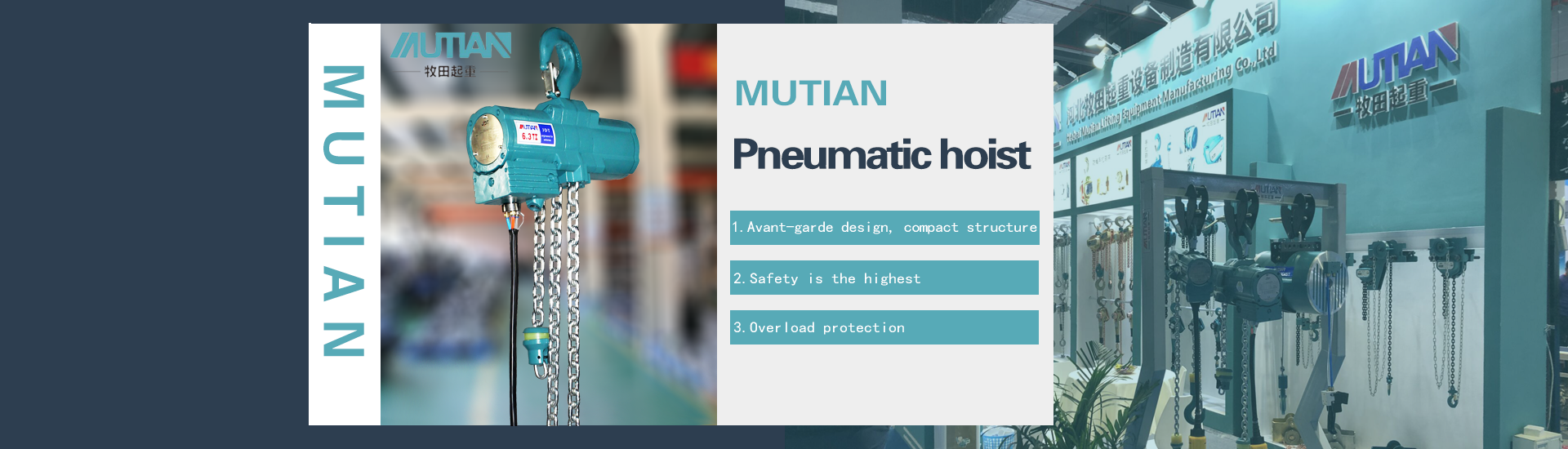
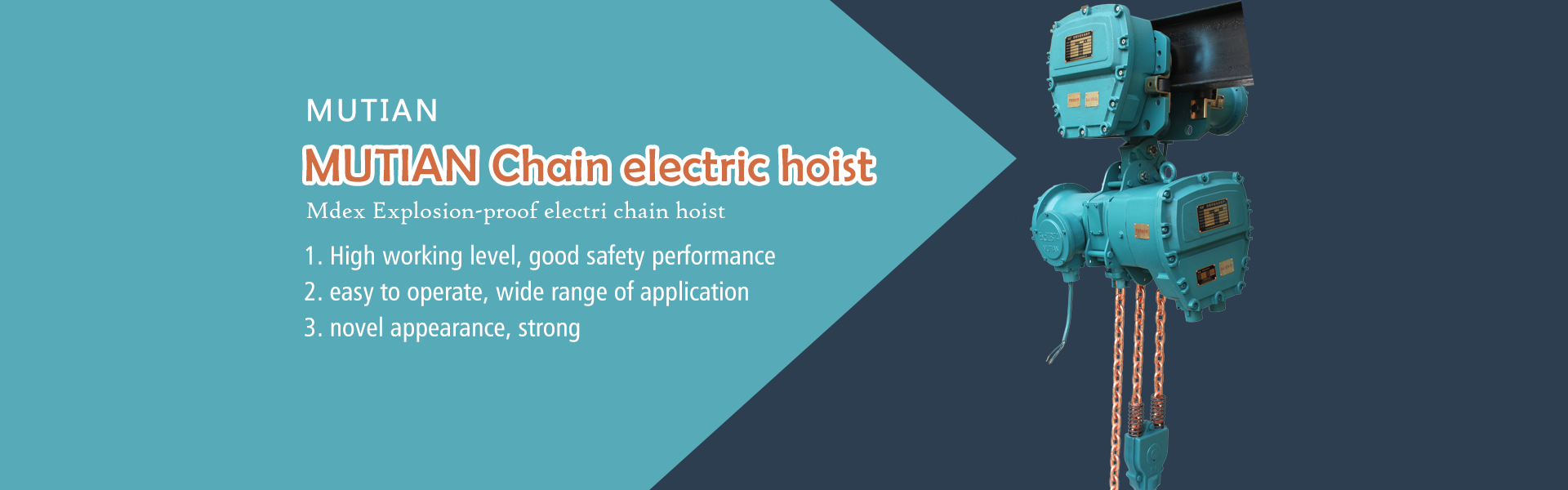
The main equipment produced by Hebei Makita: stage electric hoist, electric chian hoist, wire rope electric hoist,Hand chain hoist, lever hoist, pneumatic hoist and other lifting equipment
 phone
phone
 service
 message
 e-mail
