 中文版
中文版





releaseTime:2025-11-18 08:57:38source:Mu TiannumberOfPageViews:0
When using a running manual hoist (also known as a manual chain hoist or manual lever hoist), proper operation and safety precautions are crucial to prevent accidents, extend equipment lifespan, and ensure efficient performance. Below are the key considerations:
1. Pre-Use Inspection
Check for Damage:
Inspect the hoist body, chain/rope, hooks, and suspension points for cracks, deformation, or wear.
Ensure the chain links are not bent, twisted, or corroded.
Verify that safety latches on hooks are intact and functional.
Test Brakes and Controls:
Operate the lifting/lowering mechanism to confirm smooth movement and proper braking.
Ensure the load brake can hold the load securely when released.
Lubrication:
Check that moving parts (chains, gears, bearings) are adequately lubricated to reduce friction and wear.
2. Load Capacity & Weight Limits
Never Exceed Rated Capacity:
Manual hoists have a specified maximum load capacity (e.g., 1 ton, 2 tons). Overloading can cause chain failure, hoist damage, or accidents.
If unsure about the load weight, use a scale or estimate conservatively.
Even Load Distribution:
Ensure the load is balanced and centered to prevent tilting or slipping.
Avoid side-loading hooks, as this can cause uneven stress and chain breakage.
3. Proper Handling & Operation
Avoid Sudden Movements:
Pull the chain/lever smoothly to prevent jerking, which can damage the hoist or destabilize the load.
Use Correct Lifting Technique:
Stand clear of the load path and avoid standing under suspended loads.
Keep hands away from moving parts (e.g., chains, gears) to prevent pinching or crushing injuries.
Limit Free-Chaining:
When lowering a load, avoid rapid free-falling, which can cause the load to swing or the hoist to malfunction. Use controlled lowering.
4. Suspension & Mounting
Secure Anchor Points:
The hoist must be suspended from a stable, load-rated structure (e.g., I-beam, truss, or certified lifting point).
Avoid attaching hoists to weak or unstable supports (e.g., pipes, lightweight brackets).
Use Appropriate Slings/Rigging:
If using slings or shackles, ensure they are rated for the load and inspected for damage.
Position slings to distribute weight evenly and prevent slippage.
5. Environmental Considerations
Avoid Corrosive Environments:
Exposure to moisture, chemicals, or extreme temperatures can degrade chains and components. If unavoidable, use corrosion-resistant hoists or protective coatings.
Clear Workspace:
Ensure the area is free of obstacles, tripping hazards, or personnel during operation.
Mark off the lifting zone to prevent unauthorized access.
6. Maintenance & Storage
Regular Cleaning & Lubrication:
After use, wipe down the hoist to remove dirt, grease, or debris.
Lubricate chains and moving parts periodically to prevent rust and ensure smooth operation.
Proper Storage:
Store the hoist in a dry, clean area away from direct sunlight or extreme temperatures.
Hang the hoist or lay it flat to prevent chain kinking or deformation.
Scheduled Inspections:
Conduct monthly or quarterly inspections (depending on usage frequency) to check for wear, damage, or lubrication needs.
Replace worn or damaged parts immediately (e.g., chains, hooks, brakes).
7. Operator Training & Safety
Training Requirements:
Operators should be trained in proper hoist use, load handling, and emergency procedures.
Familiarize with the hoist’s manual for model-specific instructions.
Personal Protective Equipment (PPE):
Wear gloves, safety glasses, and steel-toed boots when operating the hoist.
Use hard hats if there’s a risk of falling objects.
8. Emergency Procedures
Know How to React:
If the load becomes unstable or the hoist malfunctions, lower it slowly to a safe location if possible.
Never attempt to repair a hoist under load or without proper tools/expertise.
Report Issues:
Immediately report any defects or malfunctions to a supervisor or maintenance team.
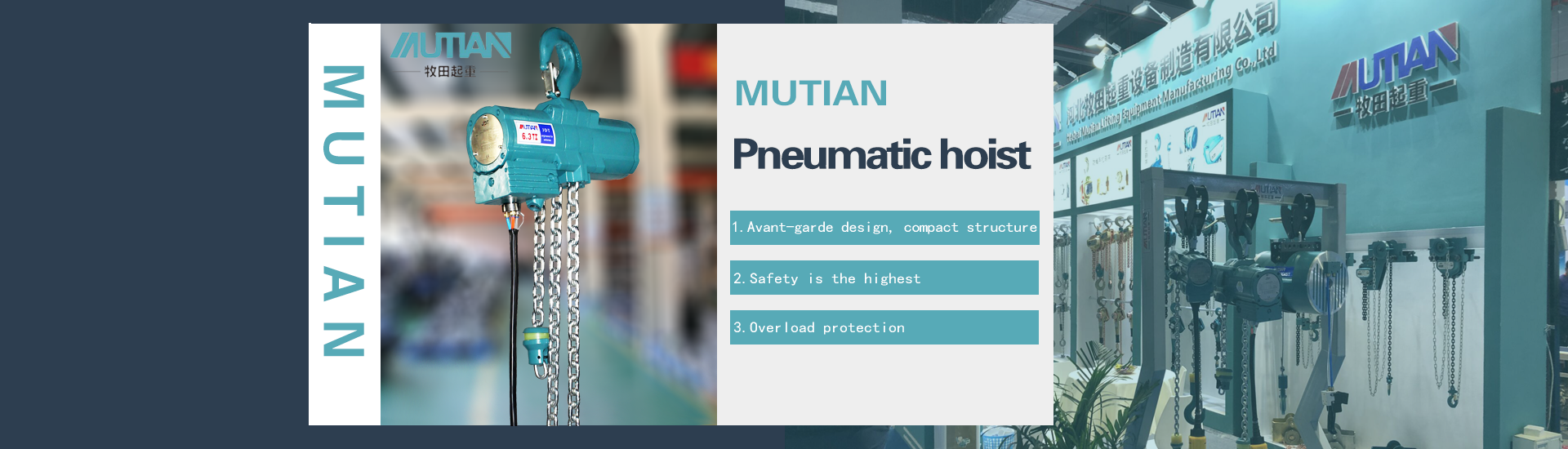
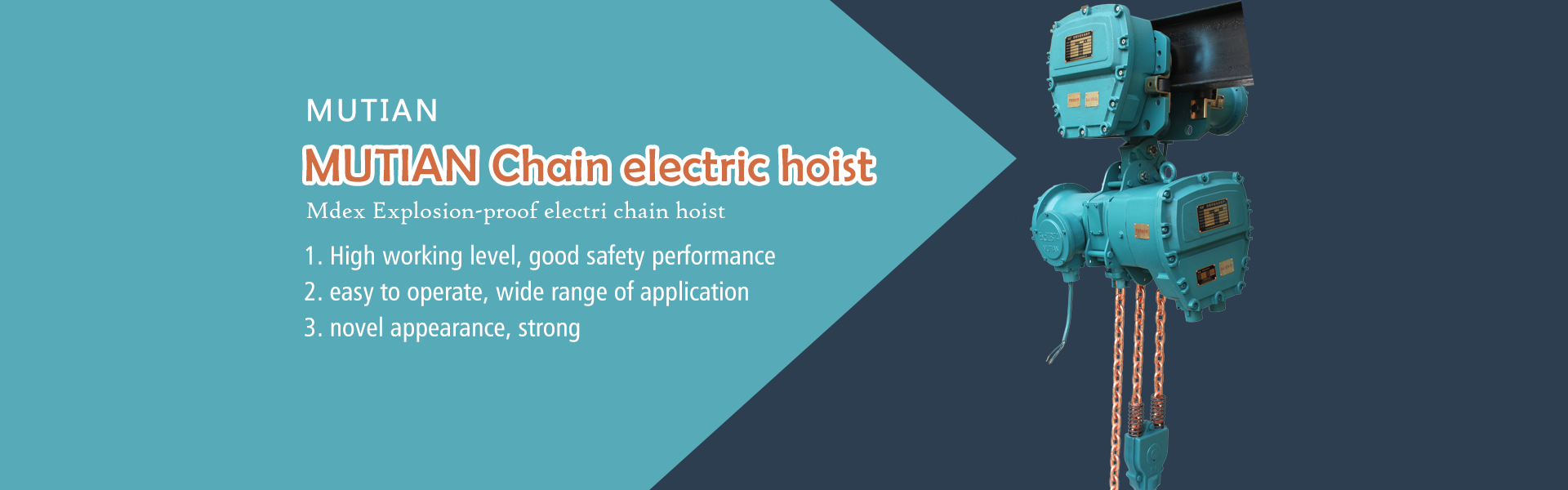
The main equipment produced by Hebei Makita: stage electric hoist, electric chian hoist, wire rope electric hoist,Hand chain hoist, lever hoist, pneumatic hoist and other lifting equipment
 phone
phone
 service
 message
 e-mail
