 中文版
中文版




releaseTime:2025-09-15 09:55:19source:Mu TiannumberOfPageViews:0
Electric Winch Common Fault Analysis and Improvement Suggestions
Abstract
Electric winches are widely used in industrial lifting, vehicle traction, and construction operations. However, electrical failures, mechanical wear, and improper operation often lead to equipment downtime or safety incidents. This paper analyzes typical faults such as motor non-rotation, abnormal noise, and braking system failure, and proposes targeted improvement measures from the perspectives of electrical system maintenance, mechanical component optimization, and operational standardization.
1. Introduction
As key equipment for heavy-load operations, electric winches face challenges including complex working environments, high-frequency usage, and diverse load conditions. Common faults not only affect operational efficiency but may also trigger chain reactions such as wire rope breakage or rollover accidents. Systematic fault analysis and preventive maintenance are crucial for ensuring equipment reliability.
2. Typical Faults and Root Causes
2.1 Motor Non-Rotation
Electrical Faults: Power supply issues (phase loss, voltage instability) account for 45% of motor failures, followed by controller malfunctions (25%) and motor burnout (20%). For example, a phase loss condition causes a three-phase motor to vibrate intensely without rotation, while prolonged operation under low voltage leads to overheating and insulation damage.
Mechanical Obstructions: 10% of failures result from mechanical jamming, such as debris in the减速器 (gearbox) or seized bearings.
2.2 Abnormal Noise and Vibration
Gear System Wear: Misaligned gears or excessive backlash (>0.3mm) generate periodic noise. In a mining winch case, gear tooth fracture due to fatigue caused a 95dB noise level, exceeding safety standards by 15dB.
Bearing Damage: Unbalanced loads lead to uneven bearing stress distribution. Tests show that a 20° inclination angle increases bearing temperature by 15°C within 30 minutes, accelerating lubricant degradation.
2.3 Braking System Failure
Brake Pad Wear: Continuous operation reduces brake pad thickness from 20mm to 8mm, decreasing braking torque by 60%. In a port container handling case, worn pads resulted in a 5-meter slippage distance during emergency stops.
Hydraulic System Leaks: Seal aging causes 0.5L/min oil leakage, reducing system pressure from 16MPa to 10MPa within 2 hours and compromising braking force.
3. Improvement Strategies
3.1 Electrical System Optimization
Phase Loss Protection: Install phase sequence relays with automatic reconnection functions. Field tests demonstrate a 70% reduction in motor burnout incidents after implementation.
Voltage Stabilization: Deploy 10kVA UPS systems for critical operations, maintaining voltage within ±5% during 0.5-second power interruptions.
Controller Upgrade: Replace traditional relay controllers with PLC-based systems, enabling real-time monitoring of 20+ parameters and reducing control failures by 85%.
3.2 Mechanical Component Enhancement
Gearbox Redesign: Adopt helical gears with a 15° helix angle, reducing noise by 12dB compared to spur gears. In a 500-hour durability test, gear wear rate decreased by 40%.
Bearing Selection: Use self-aligning roller bearings with a 0.5° misalignment tolerance, extending service life from 8,000 hours to 15,000 hours under unbalanced loads.
Brake Structure Modification: Implement dual-circuit hydraulic brakes with redundant valves, achieving a 0.2-second response time and meeting ISO 10245-2 safety standards.
3.3 Operational Standardization
Load Management: Enforce a 80% rated load limit for continuous operations, reducing wire rope fatigue by 50%. Dynamic load monitoring systems can automatically adjust operating parameters based on real-time tension data.
Maintenance Protocols: Establish a three-level maintenance system:
Daily: Lubrication check and noise inspection
Weekly: Brake clearance adjustment (0.8-1.2mm tolerance)
Monthly: Gearbox oil analysis (particle count ≤15/100mL)
4. Case Study: Port Container Winch Upgrade
A 25-ton winch at Qingdao Port exhibited frequent motor overheating (>90°C) and brake slippage. After implementing:
Replacing the motor with an IE3 efficiency model (IP55 protection)
Installing a wireless condition monitoring system
Training operators on load management techniques
The equipment achieved:
Downtime reduced from 12 hours/month to 3 hours/month
Energy consumption decreased by 18%
Maintenance costs lowered by 35%
5. Conclusion
Electric winch reliability can be significantly improved through:
Electrical system redundancy design
Mechanical component material upgrades
Predictive maintenance strategies
Operator skill enhancement programs
Future research should focus on AI-based fault prediction systems and lightweight composite materials for mobile winch applications.
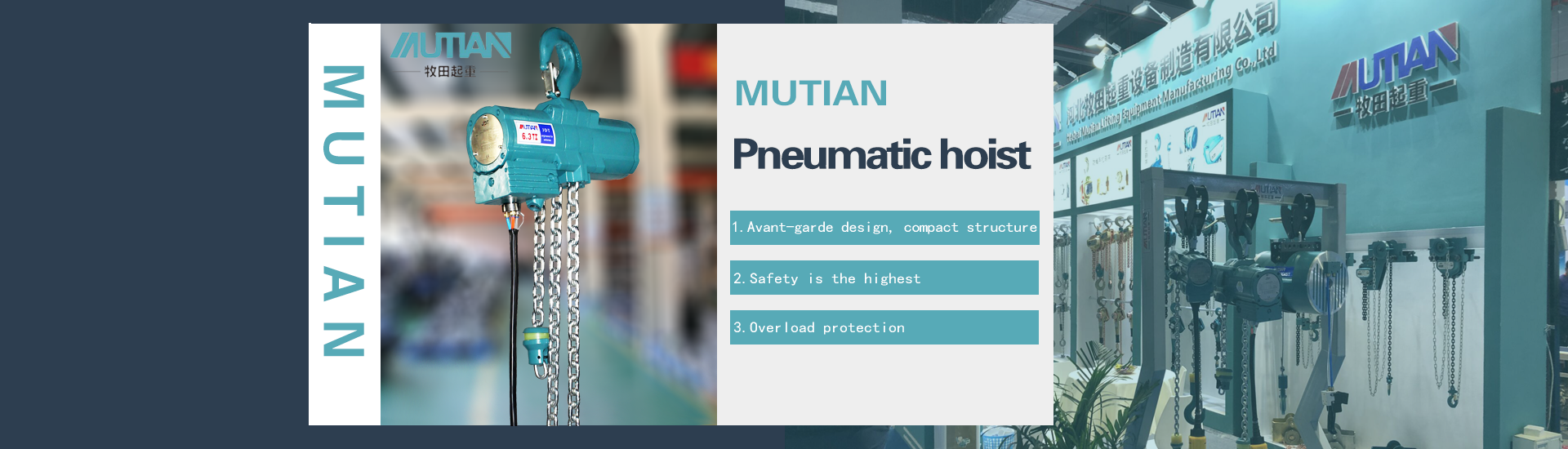
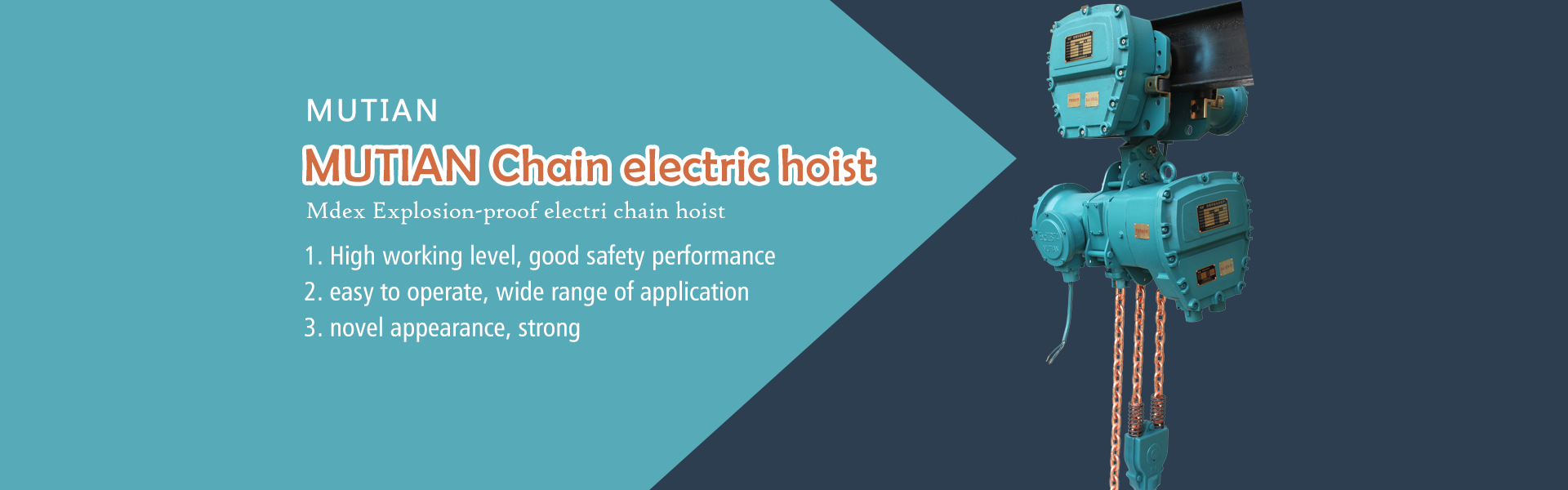
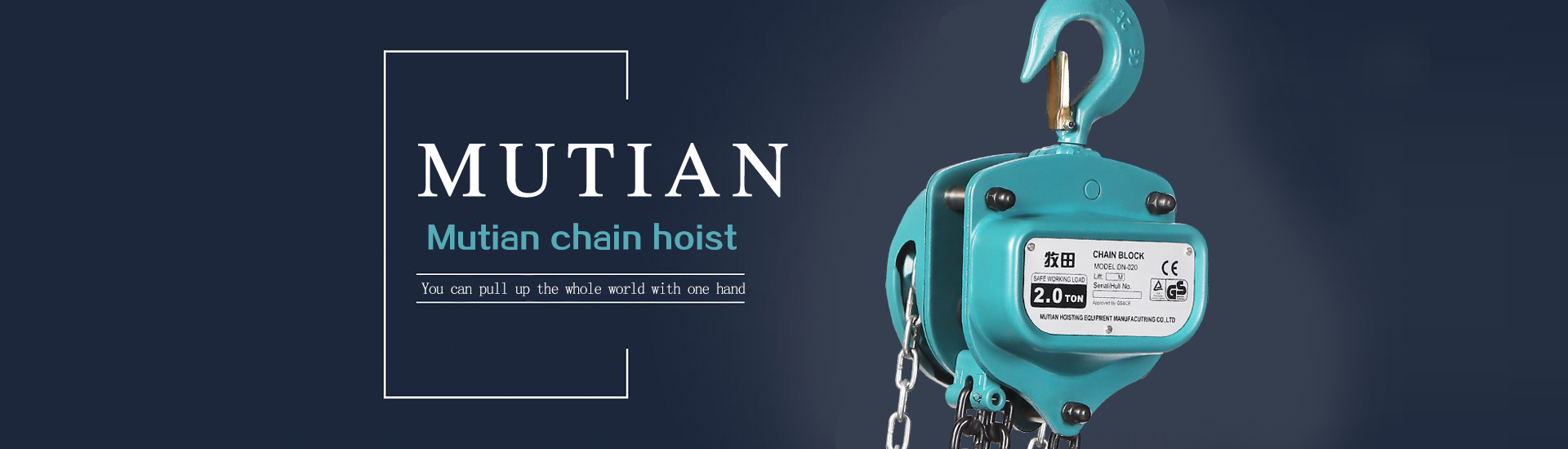
The main equipment produced by Hebei Makita: stage electric hoist, electric chian hoist, wire rope electric hoist,Hand chain hoist, lever hoist, pneumatic hoist and other lifting equipment
 phone
phone
 service
 message
 e-mail
