 中文版
中文版




releaseTime:2025-07-29 09:48:23source:Mu TiannumberOfPageViews:0
Electric forklifts have achieved comprehensive improvements in performance and reliability through technological innovation and material optimization in process design, with specific advantages reflected in the following aspects:
1. Battery technology: a balance between high efficiency and long lifespan
Application of lithium iron phosphate batteries: High safety and long cycle life (over 3000 times) lithium iron phosphate batteries are used, supporting fast charging (charging to 80% in 30 minutes), extending battery life by 25%, and having high second-hand residual value (still valuable after 5 years).
Compared to traditional lead-acid batteries, it has a 50% increase in energy density, a smaller size, a 40% reduction in maintenance costs, and no risk of leakage.
Case: BYD electric forklift achieves "10 minutes of charging and 2 hours of operation" through battery modular design, suitable for high-intensity logistics scenarios.
2. Motor system: precise control and efficient driving
AC brushless motor: With a lifespan of over 10000 hours (three times that of traditional DC motors), instantaneous torque output takes only 0.2 seconds, acceleration performance is improved by 40%, and climbing ability is enhanced.
Electronic control technology: With a response time of only 5ms, it achieves millimeter level lifting control and, in conjunction with a regenerative braking system, recovers 15-20% of energy, reducing energy consumption by 30%.
Case: BMW's production line uses electric forklifts, with a motor failure rate as low as 0.3% and an annual downtime of less than 2 hours.
3. Body design and materials: integration of lightweight and high-strength
Special steel and structural optimization: The vehicle body is made of steel plates of 5mm or more, with no beam design but significant load-bearing capacity. The battery is placed in the middle to lower the center of gravity, and the lateral stability angle reaches 12 °, suitable for narrow roads (1.5 meters) and complex terrain.
Modular design: For example, the BYD forklift drive bridge adopts German Kruse robotic arm welding, with an accuracy of 0.1mm and a 20% increase in structural strength.
Case: The electric remote-controlled forklift, with a lightweight design (800kg load capacity), can lift up to a height of 1.9 meters in just 28 seconds, making it suitable for agricultural and emergency situations.
4. Safety and Control Technology: Intelligence and Reliability Enhancement
IoT and predictive maintenance: Real time monitoring of 200+parameters (such as motor temperature, battery voltage), with an accuracy rate of 95% for fault warning and a 50% reduction in unexpected shutdowns.
Ergonomic design: hydraulic shock absorber seats, adjustable steering wheel column, reducing operational fatigue; The dual pedal acceleration system does not require steering, improving maneuverability in narrow spaces.
Case: Amazon warehouse forklifts optimize equipment utilization by 35% through an intelligent scheduling system, processing 480 pallets per day.
5. Manufacturing Process and Quality Control: Lean Production Assurance
Automated welding and quality inspection: Key components (such as drive bridge frames) are welded using robotic arms, with a defect rate of less than 0.1%; BYD factory implements full process inspection, from spare parts storage to vehicle assembly, all pass strict testing.
Simulation testing verification: By simulating extreme working conditions (such as -30 ℃ cold storage, Class 100 clean room), the durability of the product is ensured, with a failure rate as low as 0.3%.
Case: BYD's Shaoguan base has an annual production capacity of over 100000 units. Through process optimization, the self-developed rate of motors has been increased to 80%, and costs have been reduced by 25%.
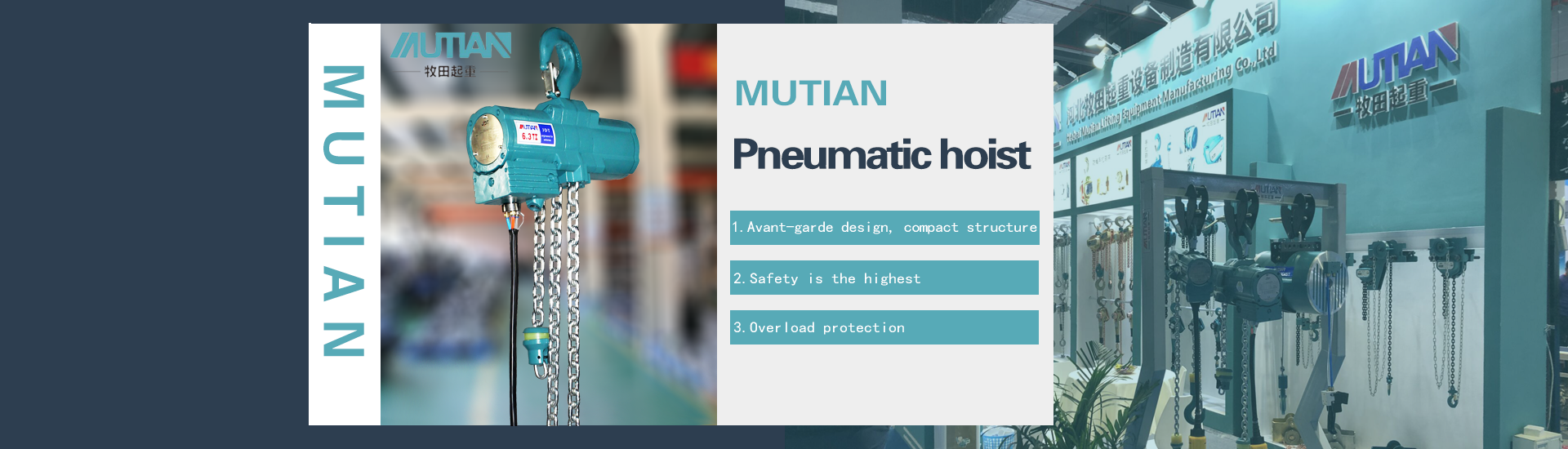
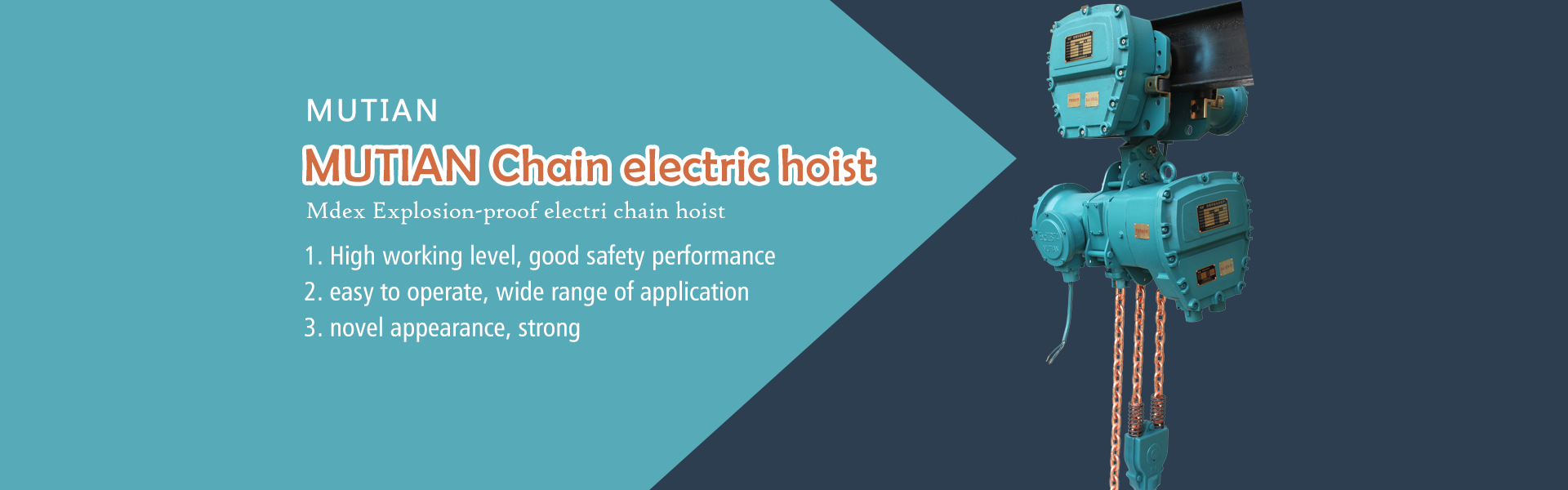
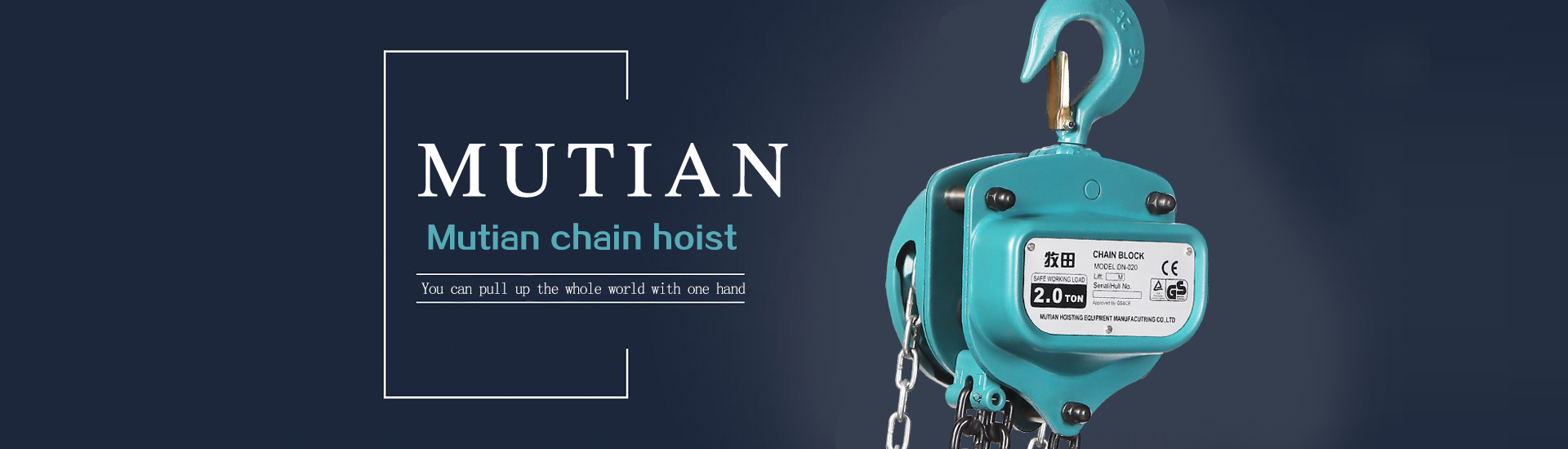
The main equipment produced by Hebei Makita: stage electric hoist, electric chian hoist, wire rope electric hoist,Hand chain hoist, lever hoist, pneumatic hoist and other lifting equipment
 phone
phone
 service
 message
 e-mail
