 中文版
中文版




releaseTime:2025-07-29 08:43:03source:Mu TiannumberOfPageViews:0
Common Fault Analysis and Improvement Suggestions for Electric Forklifts
1、 Hydraulic system malfunction
Typical phenomena: slow lifting speed, inability to lift, fork vibration, oil cylinder leakage
Core reasons: Insufficient hydraulic oil, clogged oil filter, oil pipe leakage, aging sealing ring, and high oil temperature leading to hydraulic oil deterioration.
Improvement suggestions:
Regular inspection and replacement: Replace the hydraulic oil (recommended ISO VG32 hydraulic oil) every 500 hours, and replace the oil filter synchronously to avoid impurity blockage.
Seal maintenance: Check the oil cylinder seal ring every 1000 hours and replace it immediately if aging or wear is found to prevent internal leakage.
Oil temperature control: Avoid long-term high load operations, ensure that the hydraulic oil temperature is within the normal range (usually not exceeding 80 ℃), and install an oil cooler if necessary.
Exhaust operation: If there is vibration during lifting, use the method of lifting and lowering multiple times to exhaust the air in the oil cylinder and restore the stability of the hydraulic system.
2、 Electrical system malfunction
Typical phenomena: Battery not fully charged, rapid depletion of power, controller failure, lighting system malfunction
Core reasons: battery aging, abnormal charger voltage, poor or short circuit contact in the circuit, controller program disorder.
Improvement suggestions:
Battery management:
Check the electrolyte level of lead-acid batteries daily and replenish distilled water in a timely manner; Lithium batteries should avoid overcharging and discharging, and should be left to stand for 30 minutes after charging before use.
Deep discharge once a month (not less than 20% of the battery capacity) to balance the voltage of the battery pack and extend its lifespan.
Charging equipment maintenance: Regularly calibrate the output voltage of the charger to ensure it matches the battery and avoid battery damage caused by abnormal voltage.
Line inspection: Check the insulation layer of the line every month, with a focus on waterproofing the protective connectors to prevent short circuits; The motor carbon brush is checked and replaced every 2000 hours.
Controller protection: Keep the controller cooling fins clean and remove dust every month; Avoid using in high temperature or humid environments to prevent program disorder.
3、 Steering system malfunction
Typical phenomenon: heavy direction, insensitive steering
Core reasons: insufficient hydraulic oil flow, internal leakage of steering cylinder, wear of steering gear, and lack of lubrication of steering bearings.
Improvement suggestions:
Hydraulic oil maintenance: Ensure sufficient hydraulic oil volume and replace it regularly (every 500 hours) to avoid oil deterioration and insufficient flow.
Steering component inspection: Check the sealing of the steering cylinder every 250 hours, and replace the oil seal promptly if any internal leakage is found; Conduct a comprehensive inspection of the steering system every 1000 hours, including the wear and tear of the steering gear.
Lubrication and maintenance: Lubricate the steering bearings monthly and lubricate the door frame guide rails weekly to reduce mechanical wear and improve steering flexibility.
4、 Brake system malfunction
Typical phenomena: brake failure, unilateral braking
Core reasons: brake pad wear, oil circuit blockage, improper brake clearance, brake fluid leakage.
Improvement suggestions:
Brake pad replacement: Measure the thickness of the brake pads every 1000 hours and replace them immediately if they are below the safe value to avoid excessive wear and failure of the brakes.
Brake fluid management: Regularly check the brake fluid level and promptly repair any leaks found; Replace the brake fluid every 2 years to prevent deterioration and affect the braking effect.
Brake adjustment: Check the brake clearance every 250 hours to ensure compliance with the standard (usually 0.3-0.5mm) and avoid excessive clearance causing slow braking.
Oil circuit cleaning: Check the brake oil circuit every 500 hours, remove impurities, and prevent blockages from affecting the braking response speed.
5、 Drive system malfunction
Typical phenomena: weak driving, abnormal speed, wheel hub oil spillage
Core reasons: motor or controller failure, chain tightness, poor bearing lubrication, and worn drive wheels.
Improvement suggestions:
Motor and controller maintenance: Check the motor carbon brush every 2000 hours and replace it promptly if any wear is found; Regularly check the controller program to ensure there are no disturbances.
Chain adjustment: Check the tightness of the chain daily, with a maximum sag of 20mm, to avoid a decrease in transmission efficiency or breakage caused by over tightening.
Bearing lubrication: Drive bearings to be lubricated monthly to reduce friction and prevent overheating damage; Check the wheel hub bearings every 500 hours and replace the oil seal promptly if oil leakage is found.
Drive wheel inspection: Check the wear of the drive wheels daily and replace them when the tire tread depth is less than 1.5mm to ensure sufficient traction.
6、 Door frame and chain issues
Typical phenomenon: Unstable lifting and lowering of forks, uneven tightness of chains
Core reasons: chain dust and rust, roller wear, insufficient lubrication, and door frame deformation.
Improvement suggestions:
Chain cleaning and lubrication: Clean the dust on the surface of the chain after daily work, apply lubricating grease every week to prevent rust and wear.
Roller inspection: Check the size of the inner door frame/fork frame rollers and bearings for wear every 250 hours. If excessive wear is found, replace them immediately to avoid unstable lifting of the fork.
Door frame inspection: Conduct deformation inspection of the door frame every year, use a laser calibrator to ensure the verticality of the door frame, and prevent fork lifting obstruction caused by deformation.
Chain tightness adjustment: Check the tightness of the chain daily, adjust the tensioning device to ensure that the sagging meets the standard, and avoid uneven tightness affecting the stability of lifting.
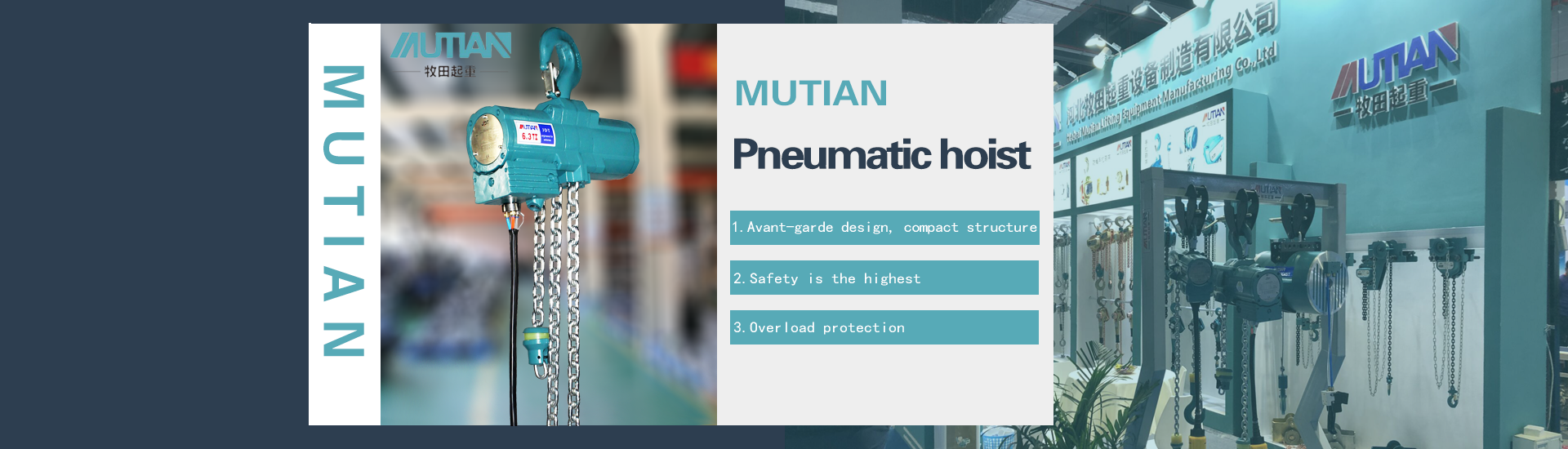
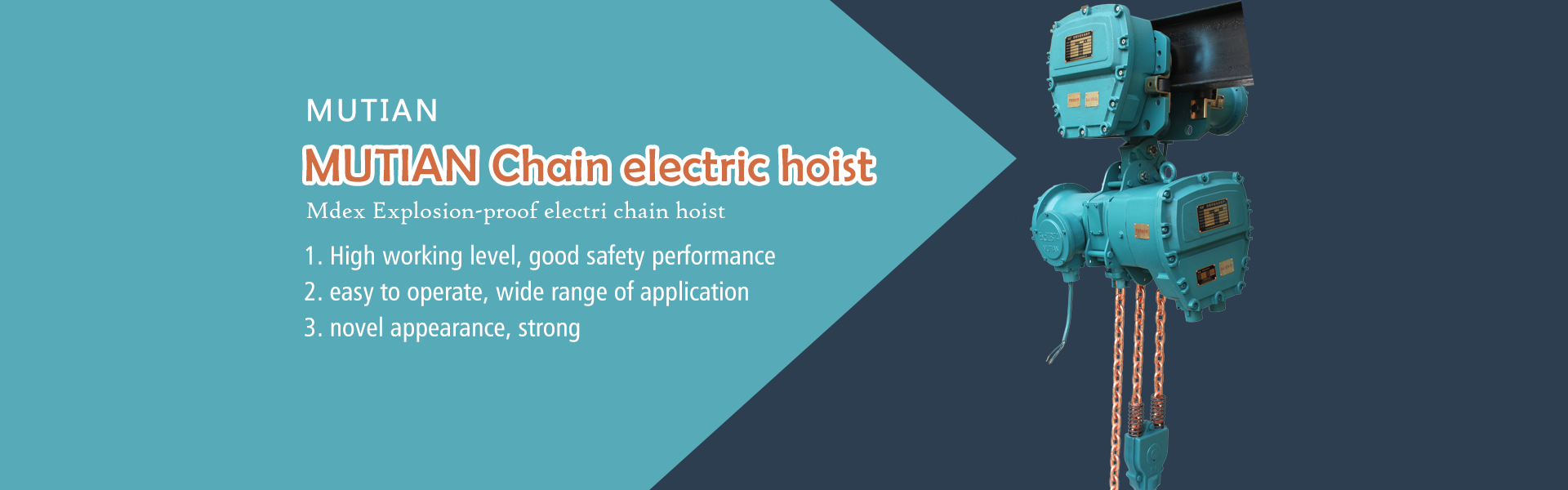
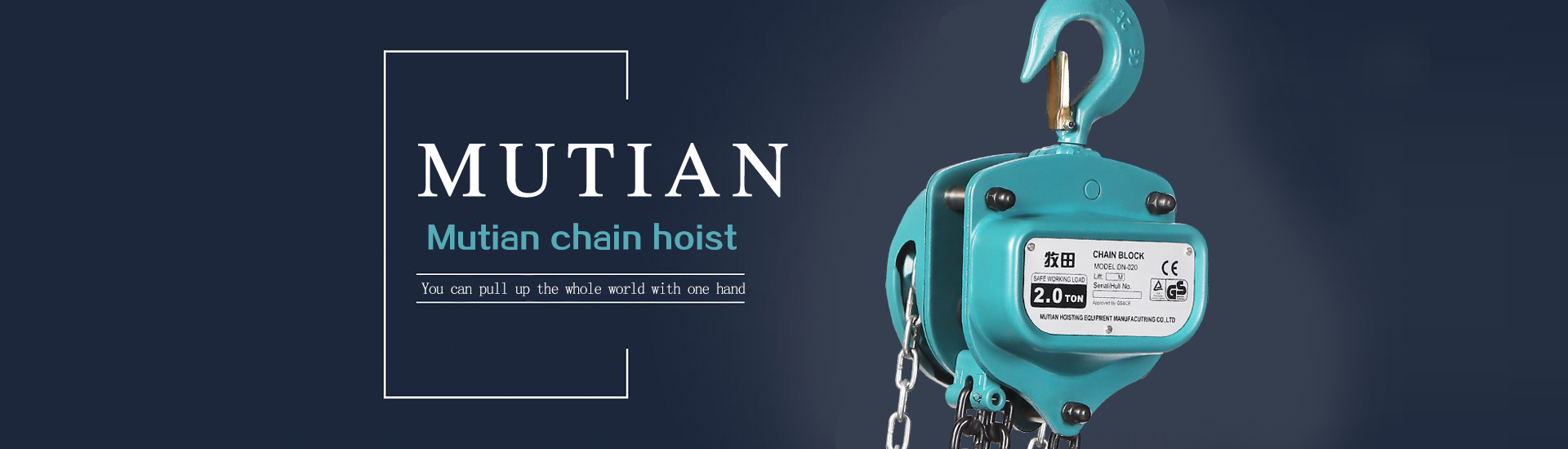
The main equipment produced by Hebei Makita: stage electric hoist, electric chian hoist, wire rope electric hoist,Hand chain hoist, lever hoist, pneumatic hoist and other lifting equipment
 phone
phone
 service
 message
 e-mail
