 中文版
中文版




releaseTime:2025-12-04 08:13:32source:Mu TiannumberOfPageViews:0
An operational electric hoist is a motor-driven lifting device designed to vertically move heavy loads with precision and efficiency, commonly used in industrial, construction, and logistics settings. Below is a concise overview of its operation and effects:
1. Operational Mechanism
Power Source: Electrically powered (single-phase or three-phase), eliminating manual effort.
Components: Includes a motor, gearbox, drum (for winding rope/chain), brake system, and control pendant/remote.
Movement: Converts electrical energy into mechanical energy via the motor, driving the drum to lift/lower loads through a rope or chain.
Control: Operated via wired pendant, wireless remote, or integrated systems (e.g., PLC automation), enabling precise speed and direction adjustment.
2. Key Effects & Advantages
Efficiency:
Rapid lifting/lowering speeds (e.g., 8–20 m/min) reduce downtime.
Automated operation minimizes human intervention, boosting productivity.
Safety:
Built-in brakes (mechanical/electromagnetic) prevent uncontrolled load descent.
Overload protection systems halt operation if loads exceed rated capacity.
Reduces manual handling risks (e.g., strains, falls).
Precision:
Smooth acceleration/deceleration ensures stable load positioning.
Variable speed control (e.g., inverter-driven models) enhances accuracy in delicate tasks.
Versatility:
Adaptable to diverse environments (e.g., low-headroom spaces, explosive-risk zones via explosion-proof designs).
Compatible with trolleys, jib cranes, or gantry systems for multi-directional movement.
Cost-Effectiveness:
Lower long-term costs compared to manual alternatives (e.g., reduced labor, injury-related expenses).
Durable construction (e.g., alloy steel chains, sealed gearboxes) extends service life.
3. Applications
Industrial: Material handling in factories, warehouses, and assembly lines.
Construction: Lifting steel beams, concrete, and tools on-site.
Logistics: Loading/unloading trucks and containers in ports or distribution centers.
Maintenance: Installing/repairing heavy equipment in workshops or power plants.
4. Limitations & Considerations
Power Dependency: Requires stable electrical supply; outages may disrupt operations.
Initial Cost: Higher upfront investment than manual hoists (though offset by long-term savings).
Maintenance: Regular checks (e.g., brake wear, electrical connections) are essential for safety.
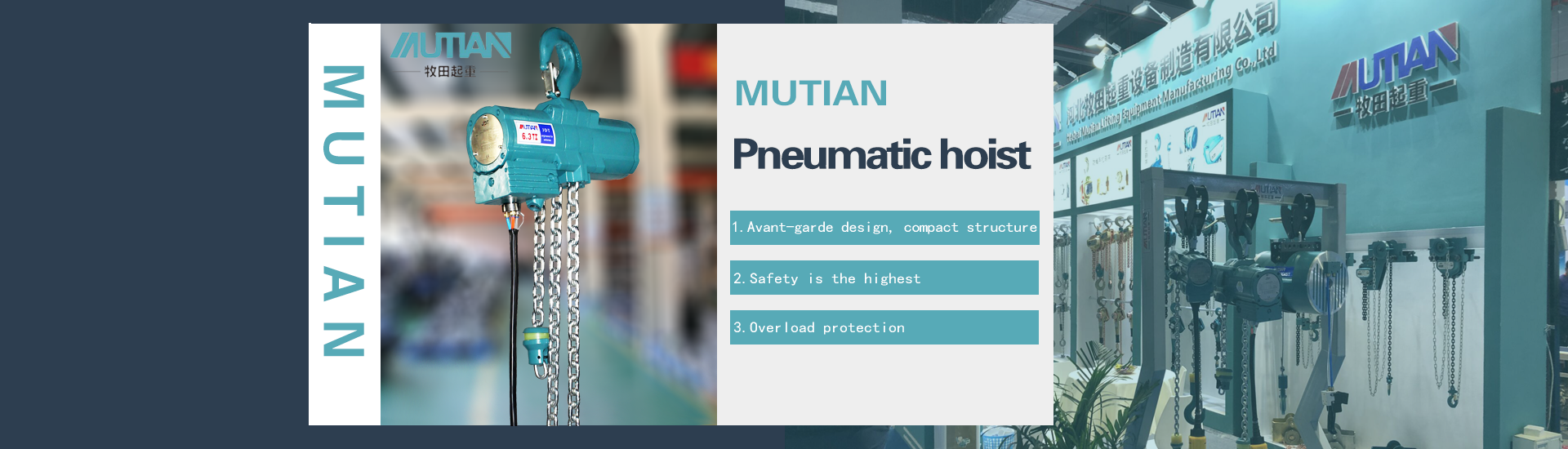
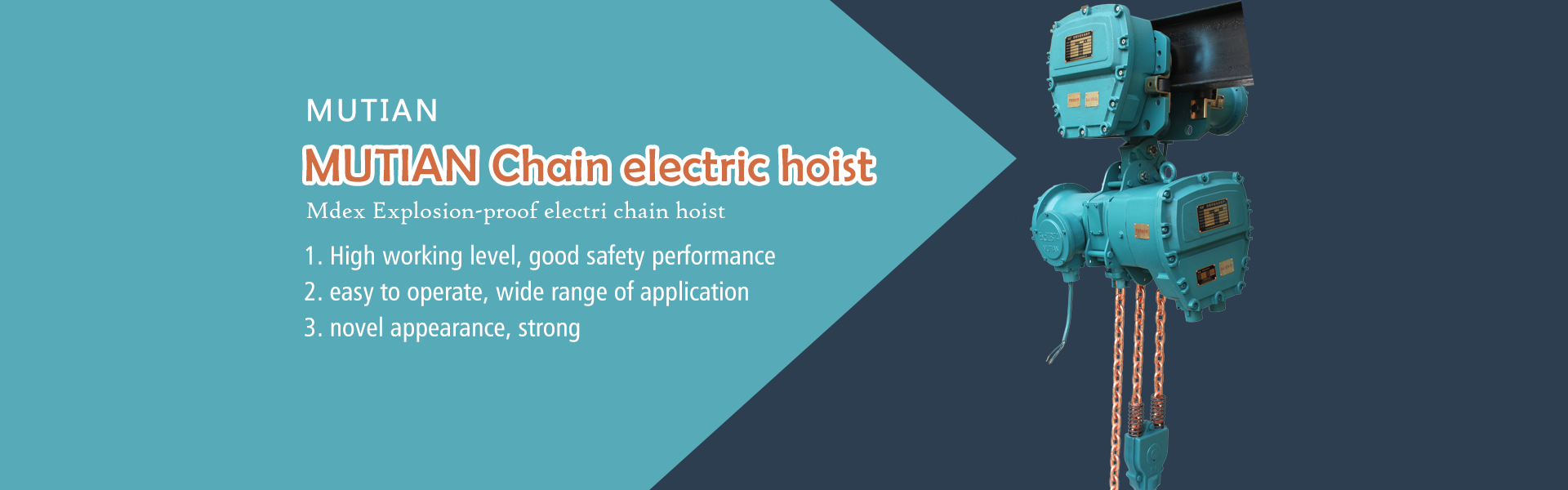
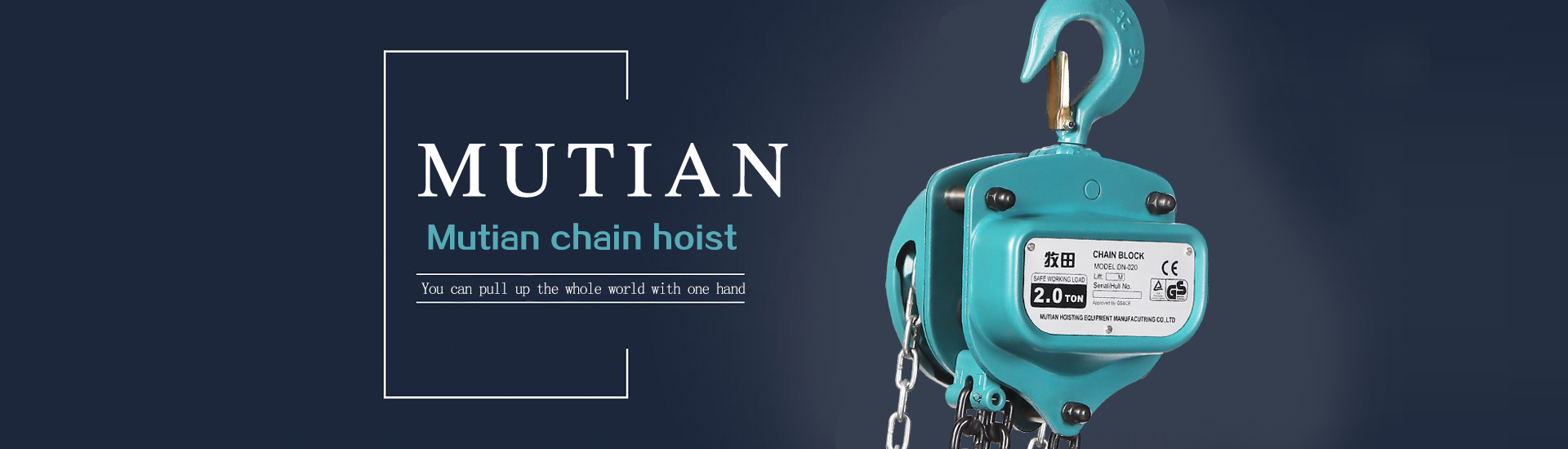
The main equipment produced by Hebei Makita: stage electric hoist, electric chian hoist, wire rope electric hoist,Hand chain hoist, lever hoist, pneumatic hoist and other lifting equipment
 phone
phone
 service
 message
 e-mail
