 中文版
中文版




releaseTime:2025-12-04 08:07:52source:Mu TiannumberOfPageViews:0
When choosing an electric hoist crane manufacturer, it is necessary to comprehensively consider seven core dimensions: enterprise qualifications and certification, technical strength and research and development capabilities, production processes and quality control, product types and customized services, after-sales service system, market reputation and user evaluation, and cost-benefit analysis, to ensure that the selected manufacturer can provide high-quality, reliable, and demand meeting equipment. The specific analysis is as follows:
Enterprise Qualification and Certification
Manufacturers need to have a comprehensive qualification certification system, including but not limited to special equipment manufacturing license, installation, renovation and maintenance license, and ISO9001 quality management system certification. For example, Jining Sitong Engineering Machinery Co., Ltd. has obtained the Special Equipment Manufacturing License and ISO9001 certification from the State Administration of Quality Supervision, which proves that its production process complies with international standards and product quality is guaranteed.
Technical strength and research and development capability
Technical strength is reflected in product innovation and customization capabilities. GH Cranes&Components, as a family owned enterprise with over 60 years of history, has products covering 70 countries. Its electric hoist cranes can adapt to complex scenarios such as ports and dry docks, and support multilingual services and customized design to meet global needs.
Production process and quality control
The production process directly affects the durability and safety of equipment. High quality manufacturers adopt standardized accessories and precision machining technology. For example, brands such as XCMG and Sany reduce maintenance costs by unifying accessories, while Jining Sitong adheres to the "quality first" policy to ensure that the entire process of products from raw materials to finished products is controllable.
Product types and customized services
Manufacturers need to provide diversified products to cover different scenarios. For example, Henan Yuantai Crane Machinery can produce 0.25-63 tons of electric hoists, supporting lifting heights of 1-100 meters and M3-M4 working levels. It also provides fixed or mobile installation solutions to meet the needs of various fields such as industry, mining, and ports.
After sales service system
After sales service includes installation and debugging, operation training, regular maintenance, and spare parts supply. GH Cranes&Components provides fast response through a global service network, while the Jining Four Principles optimize user experience through a "continuous improvement" policy to ensure stable operation of equipment throughout its lifecycle.
Market reputation and user evaluation
User feedback is an important basis for verifying the strength of manufacturers. Jining Sitong has received high praise from users for its high cost-effectiveness and comprehensive services, while BW Crane has won market recognition for its efficient loading and unloading efficiency in the port field with nearly 40 years of experience.
Cost benefit analysis
Comprehensive consideration should be given to procurement costs, operational energy consumption, and maintenance expenses. For example, lightweight electric hoists can use 110V standard power supply to reduce energy consumption; Models with high market retention, such as XCMG and Sany, can further reduce long-term usage costs due to their strong universality of accessories.
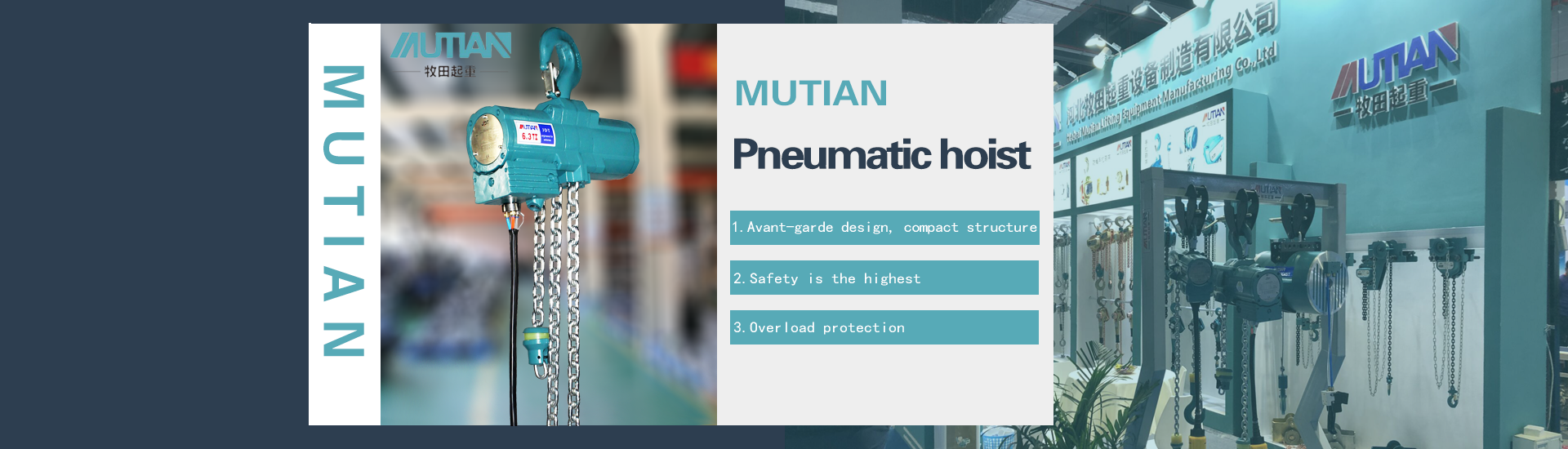
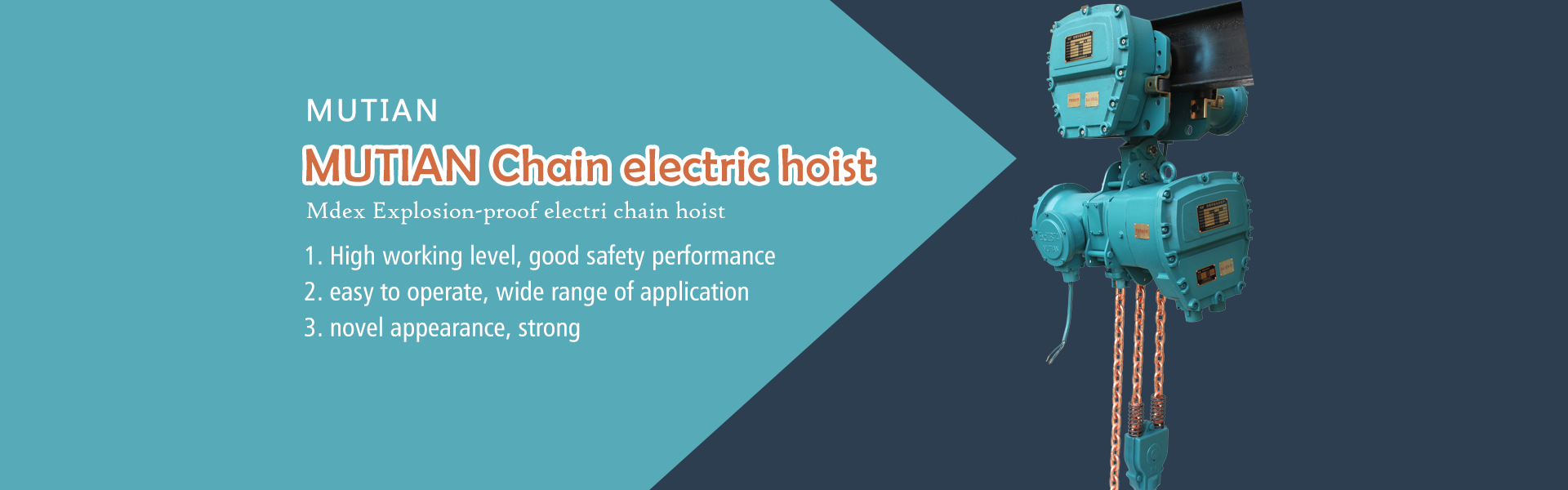
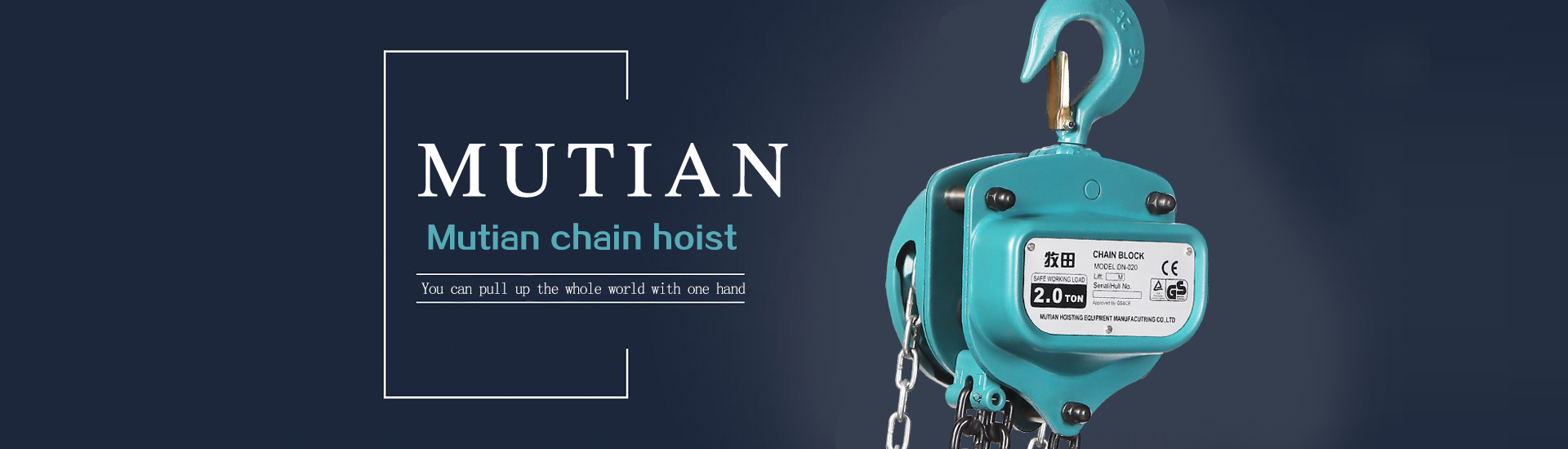
The main equipment produced by Hebei Makita: stage electric hoist, electric chian hoist, wire rope electric hoist,Hand chain hoist, lever hoist, pneumatic hoist and other lifting equipment
 phone
phone
 service
 message
 e-mail
