 中文版
中文版




releaseTime:2025-08-04 09:52:59source:Mu TiannumberOfPageViews:0
Ensuring the quality of electric forklifts requires full lifecycle management from design, manufacturing, testing to use. The following is a systematic quality control plan:
1、 Quality control during the design phase
CAE simulation analysis
Structural strength simulation (safety factor ≥ 1.5)
Thermal management simulation (motor temperature rise ≤ 45 ℃)
Dynamics simulation (maximum acceleration ≤ 3m/s ²)
reliability design
Critical components MTBF ≥ 10000 hours
Fault Tree Analysis (covering 95% of potential fault modes)
Reduced rating design (electronic component utilization rate ≤ 80%)
2、 Quality standards for key components
Battery System
Compliant with GB/T 31486-2022 standard
Cycle life ≥ 2000 times (80% DOD)
Thermal runaway suppression (temperature rise ≤ 200 ℃ within 5 minutes)
driving system
Motor protection level IP54
Controller overload capacity 150% rated current for 30 seconds
Braking energy recovery efficiency ≥ 65%
hydraulic system
Cleanliness level NAS level 7
The temperature resistance range of the seal is -30 ℃~120 ℃
Pump valve system response time ≤ 0.2 seconds
3、 Manufacturing process control
process specification
Welding robot automation rate ≥ 80%
Coating line film thickness detection (dry film thickness 80 ± 20 μ m)
Assembly torque control (± 5% allowable deviation)
Quality Inspection
Three coordinate measuring instrument with an accuracy of 0.01mm
Full size inspection of laser tracker
Online X-ray inspection (weld seam detection)
system certification
ISO 9001 Quality Management System
IATF 16949 Automotive Industry Certification
CE/EAC Market Access Certification
4、 Testing and Verification System
Type test
400 hour intensive road test (including full load climbing, emergency braking, etc.)
Salt spray test (96 hour neutral salt spray test)
Vibration test (three-axis random vibration, power spectral density 0.5g ²/Hz)
Delivery inspection
Insulation resistance test (≥ 1M Ω)
Load test (125% rated load static pressure test)
Waterproof test (IPX4 rating)
Third party testing
Certification by the National Forklift Quality Inspection Center
T Ü V Rheinland Functional Safety Certification
UL 2272 Electrical Equipment Safety Certification
5、 Supply Chain Management
Supplier Evaluation
Key component supplier audit (QSA/QPA score ≥ 85 points)
Battery suppliers need to pass UN38.3 testing
Motor supplier ISO/TS 16949 certification
material control
The qualification rate of incoming inspection batches is ≥ 99%
Key Material Traceability System (QR Code Full Lifecycle Traceability)
Storage environment monitoring (temperature and humidity recording)
6、 Usage and maintenance standards
Daily inspection
Battery electrolyte level (checked weekly)
Brake system travel (adjusted monthly)
Tire wear (measured every 500 hours)
regular maintenance
Replace hydraulic oil every 2000 hours
Calibrate the load sensor every 4000 hours
Overhaul the drive system every 8000 hours
Fault handling
Establish FMEA database (including 500+typical fault cases)
Remote diagnostic system (real-time monitoring of 28 parameters)
Spare parts supply cycle (core components ≤ 48 hours)
7、 Quality improvement mechanism
8D reporting system (complete root cause analysis within 8 working days after discovering quality issues)
APQP preliminary planning (new product development requires completion of 5 stages of access control review)
PPAP production approval (critical characteristic process capability index Cpk ≥ 1.33)
By implementing the above quality control system, it can be ensured that electric forklifts:
Mean Time Between Failures (MTBF) increased by 40%
Reduce maintenance costs by 35%
Extended service life to 12000 hours
Customer satisfaction rate of over 95%
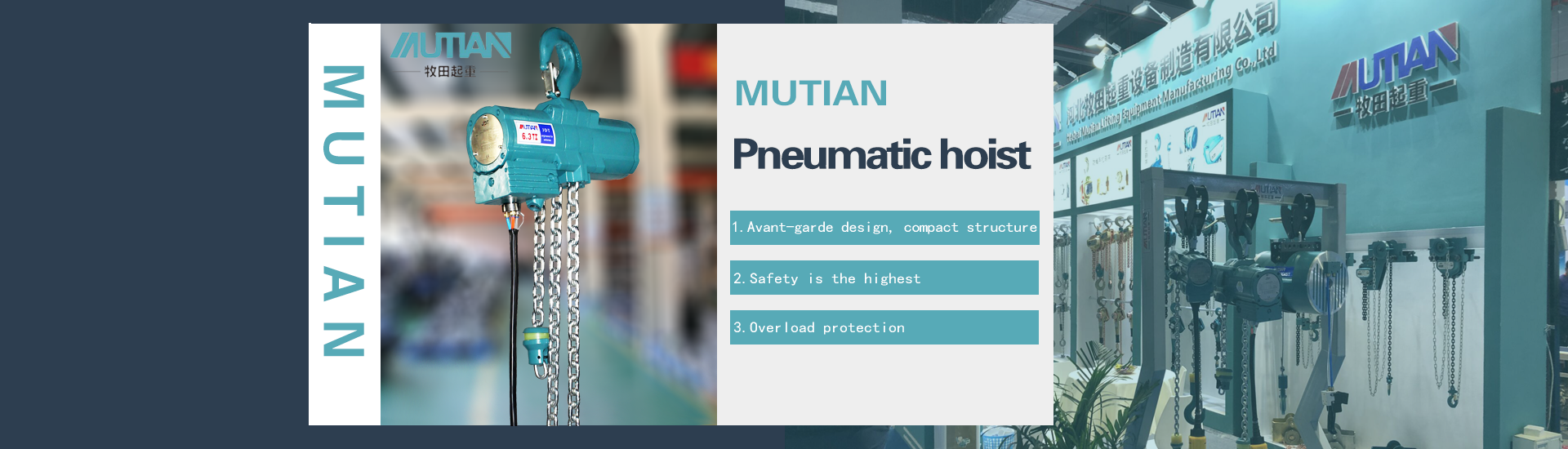
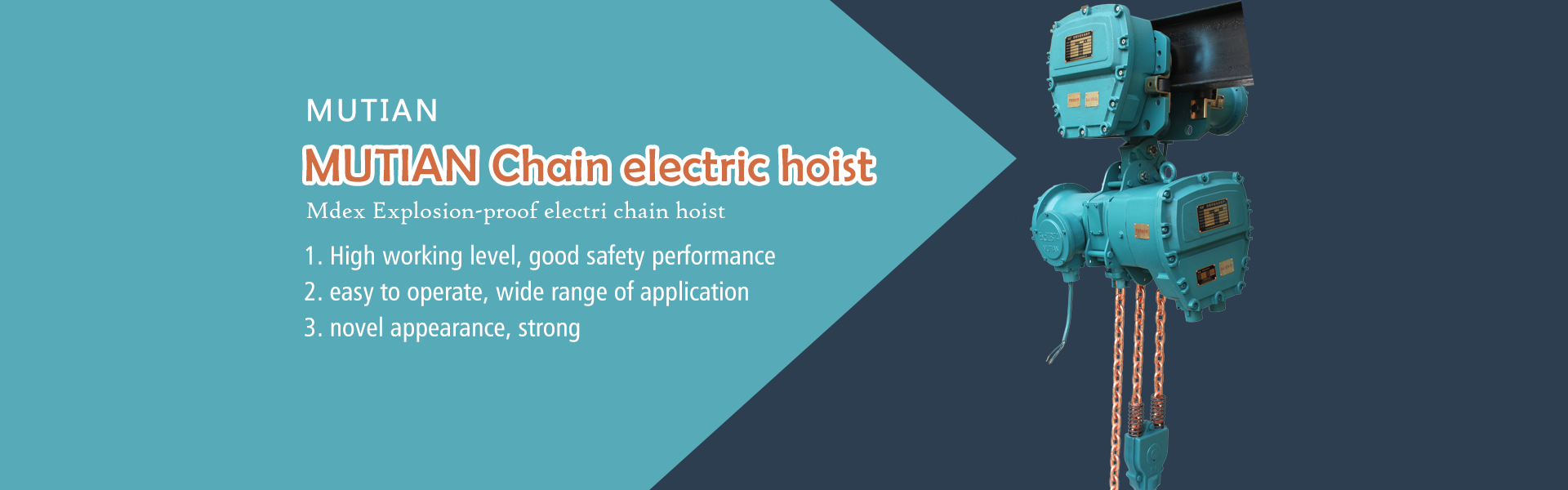
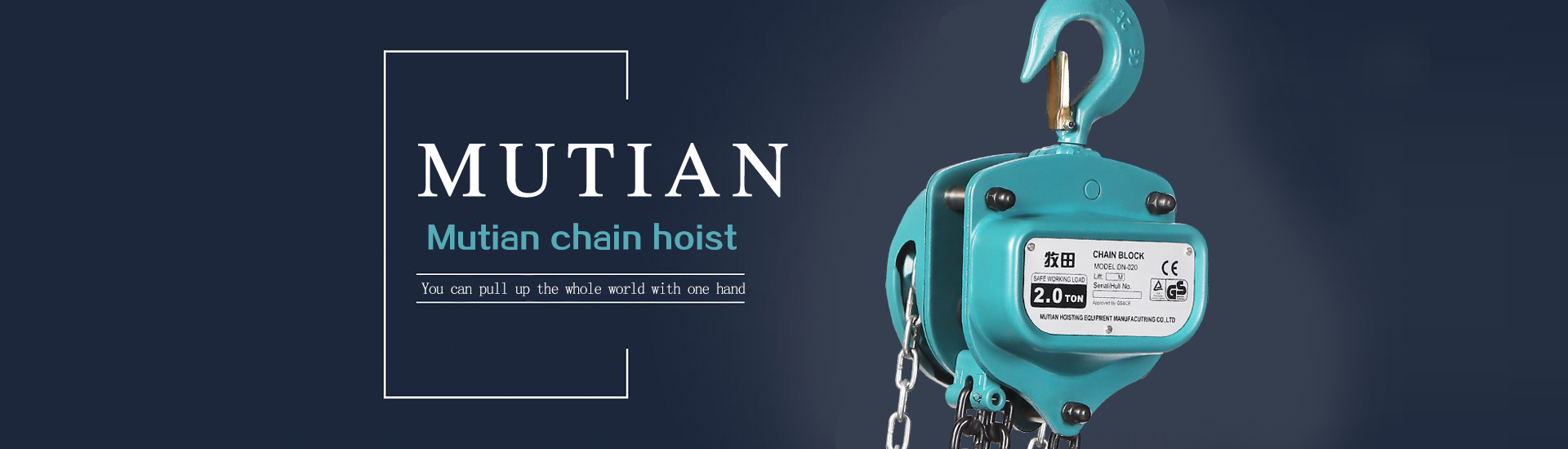
The main equipment produced by Hebei Makita: stage electric hoist, electric chian hoist, wire rope electric hoist,Hand chain hoist, lever hoist, pneumatic hoist and other lifting equipment
 phone
phone
 service
 message
 e-mail
