 中文版
中文版




releaseTime:2026-01-05 09:31:41source:Mu TiannumberOfPageViews:0
The equipment requirements for the lever chain hoist need to be comprehensively evaluated from six dimensions: technical parameters, safety certification, material technology, maintenance, operation specifications, and manufacturer strength, to ensure the safety and reliability of the equipment, adaptability to requirements, and controllable long-term use costs. The specific requirements are as follows:
1. Technical parameters and adaptability
Rated load and dynamic performance: The lifting capacity range (such as 0.5 tons to 50 tons) needs to be clearly defined, and verified through static load testing (125% rated load without permanent deformation), dynamic load testing (110% rated load operation without abnormalities), and breaking load (4-8 times rated load). For example, mining chains must comply with the MT/T 99-1997 standard and have a tensile strength of ≥ 1200MPa; Short body models should be selected for low clearance scenarios, and long chain extension requirements should be considered for port operations.
Environmental adaptability: It needs to withstand extreme temperatures (such as low temperature resistance of -50 ℃ or high temperature resistance of 200 ℃), humidity, and corrosive media (such as salt spray and chemicals). Stainless steel chains are suitable for marine environments, galvanized chains are suitable for general outdoor scenes, and heat-resistant alloy steel should be selected for high temperature scenes.
2. Safety certification and quality control
Authoritative certification: Must pass ISO 9001 quality management system, CE EU certification (compliant with EN 14439:2006+A2:2009, EN 13135:2013+A1:2018), ASME B30, OSHA 1910.179, and China Special Equipment Manufacturing License (TSG 07). For example, the EU CE certification requires equipment to comply with the Machinery Directive 2006/42/EC, covering the safety design of electrical, mechanical, and hydraulic systems.
Materials and processes: The chain material should be made of high-strength alloy steel (such as 20Mn2) and stainless steel (304/316), and the surface should be treated with heat treatment, salt spray test, galvanizing or Dacromet anti-corrosion treatment. Key components such as gears and bearings require precision machining (dimensional accuracy ≤ ± 0.1mm), and welding processes require non-destructive testing (ultrasonic/radiographic testing, magnetic particle testing).
Braking and safety devices: The braking system should be reliable, such as ratchet braking and friction pad braking, to ensure that the sliding distance of heavy objects is ≤ 50mm and the braking time is ≤ 0.5 seconds. Some high-end models are equipped with overload protection, emergency stop buttons, and load monitoring sensors.
3. Material and process requirements
Selection of structural materials: The main metal structures (trolley frame, bridge frame, lifting equipment) are formed by welding and made of carbon steel or low-alloy steel. Low alloy steel has high strength and is suitable for small span main beams to reduce cross-sectional area; Carbon steel has excellent rigidity and is suitable for large-span main beams. Boiling steel should be avoided. When using steel plates with a thickness exceeding 50mm as welded load-bearing components, the allowable stress should be reduced by 10%.
Welding and surface treatment: The welding process needs to assess the risk of cracking, and using automatic welding production lines or welding robots can reduce the number of welders by 50%. The surface treatment needs to meet the anti-corrosion requirements, such as blackening, galvanizing, and Dacromet coating, and the corrosion resistance should be verified through salt spray testing.
4. Maintenance requirements
Regular inspection: It is necessary to check the wear, cracks, and deformation of the chain, hook, pulley, and wire rope to ensure that there are no defects such as broken wires, loose strands, bends, etc. The brake needs to be checked for oil level, wear, and engagement status to ensure normal operation. The electrical system needs to check the operating status of circuits, switches, motors, and safety devices (such as overload protection, buffers, torque limiters).
Lubrication and Cleaning: Moving parts (gears, bearings, brakes) need to be regularly lubricated to ensure no jamming. The equipment casing should be kept clean to avoid dust and dirt affecting heat dissipation or electrical performance.
Storage and maintenance: When not in use for a long time, it should be stored in a dry, ventilated, and non corrosive gas environment. Regular ground maintenance should be carried out to prevent rust or malfunction.
5. Operating standards and safety requirements
Operator qualification: Must hold a special equipment operator certificate, be familiar with equipment structure, principles, and control technology, and comply with the "Ten No Lifting" principle (such as overloading, diagonal pulling, unmanned command, and not lifting explosive dangerous goods).
Operation process: Before operation, it is necessary to check the equipment status and confirm that the hook, chain, and brake are normal. During lifting, it is necessary to maintain the stability of the heavy object and avoid shaking or impact; When lowering, control the speed to ensure a smooth placement. Attention should be paid to the surrounding environment during operation to avoid personnel or obstacles affecting safety.
Safety protection: It is necessary to wear safety protective equipment (such as helmets and gloves) and comply with regulations such as starting warning signals and using limit position limiters. When a malfunction occurs, the machine should be stopped immediately and professional personnel should be contacted for handling.
6. Manufacturer's comprehensive strength
Production capacity: Advanced production equipment such as CNC cutting machines, laser cutting machines, and automatic welding production lines are required. The annual production capacity needs to meet market demand (such as 12000 tons per year), and the inventory turnover rate needs to be high (such as 8 times per year).
Research and Innovation: It is necessary to have a research and development institution, possess patented technologies (such as anti sway control and intelligent frequency conversion), cooperate with universities or research institutions (such as Shandong University of Science and Technology), and have an annual R&D investment accounting for at least 5% of revenue.
After sales service: Pre sales solution design (response time ≤ 2 hours), after-sales response (on-site arrival within 48 hours), parts supply guarantee, and "three guarantees" service (complete machine warranty 1-3 years, main components warranty 5 years) are required. We need to establish a complaint response mechanism, actively solve problems, and maintain corporate reputation.
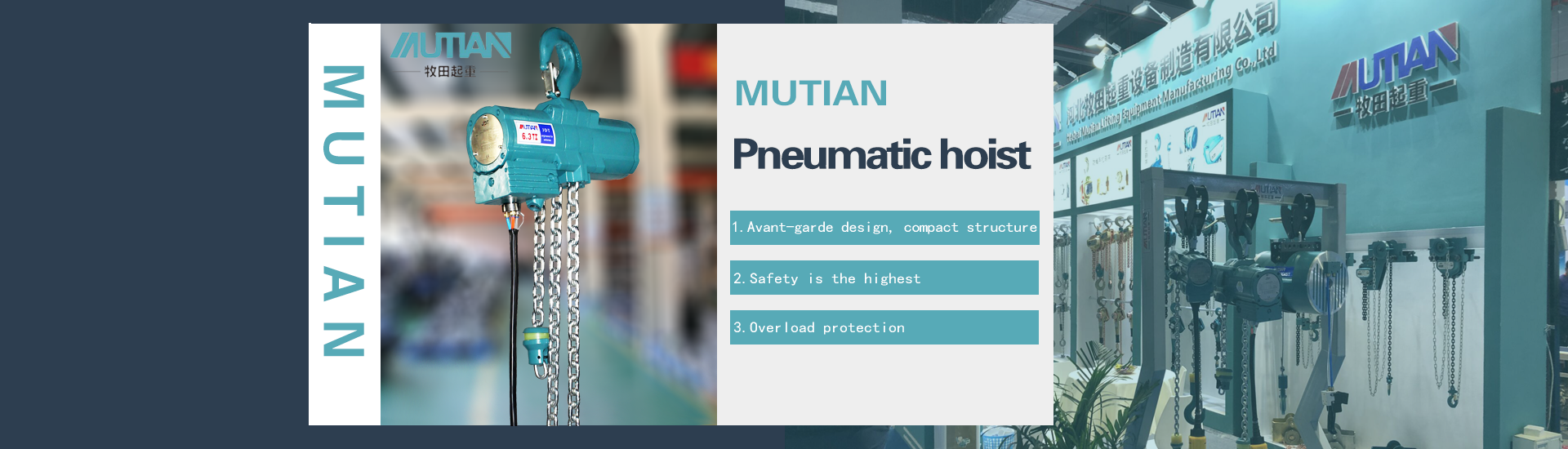
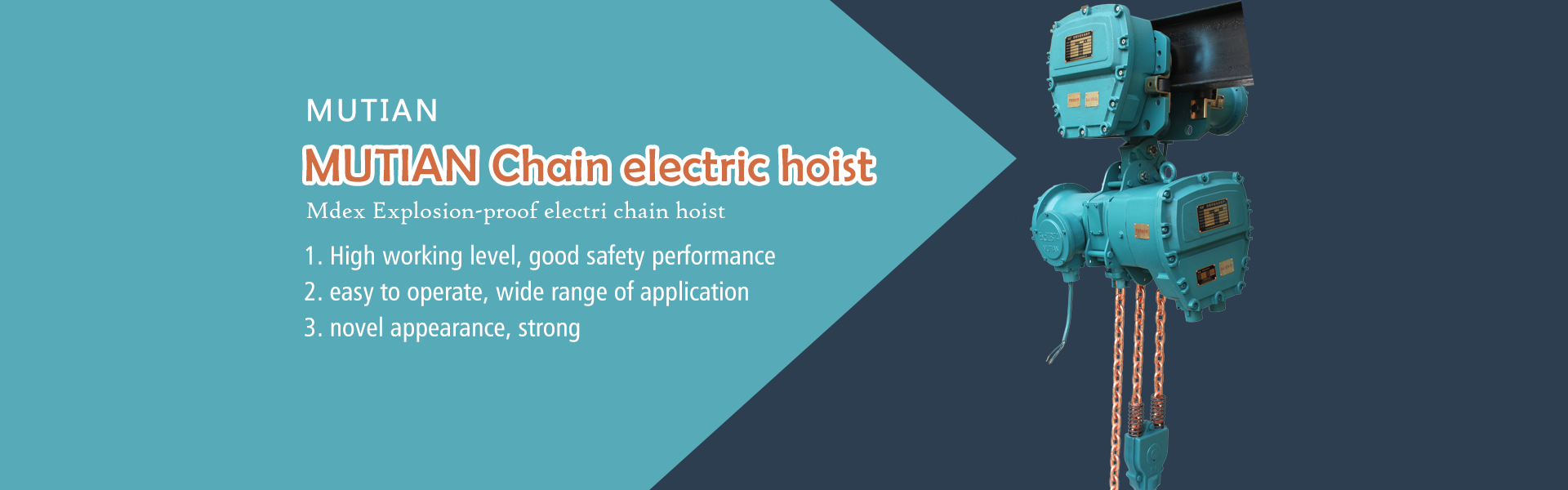
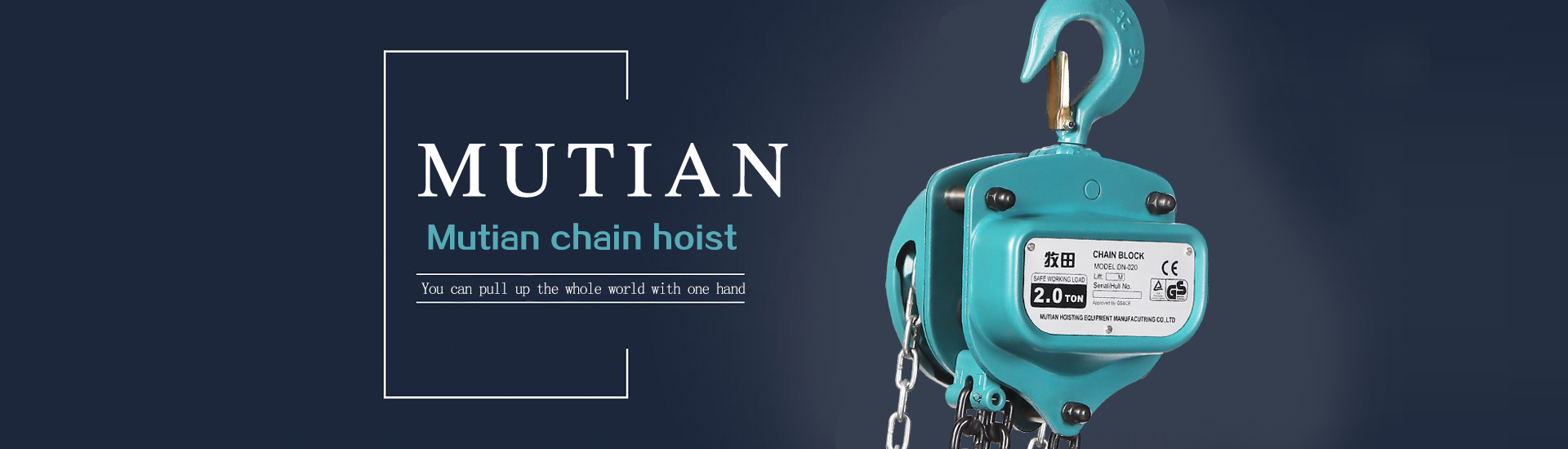
The main equipment produced by Hebei Makita: stage electric hoist, electric chian hoist, wire rope electric hoist,Hand chain hoist, lever hoist, pneumatic hoist and other lifting equipment
 phone
phone
 service
 message
 e-mail
