 中文版
中文版




releaseTime:2025-09-11 09:04:11source:Mu TiannumberOfPageViews:0
Analysis of hydraulic hoist lifting components
The lifting component of a hydraulic hoist is its core actuator, which drives the lifting motion of heavy objects through a hydraulic system. Its typical structure and working principle are as follows:
Basic constituent units
The lifting components mainly consist of hydraulic cylinders, steel wire ropes, guide pulley groups, and load-bearing platforms. The hydraulic cylinder serves as a power source, driving the steel wire rope to move back and forth around the pulley system through the telescopic motion of the piston rod, thereby driving the platform to rise and fall. For example, the mining hydraulic hoist adopts multi-stage hydraulic cylinders combined with planetary gear reducers, which can achieve high torque output and meet the requirements of heavy-duty lifting.
Key structural innovation
Design of flip plate storage bin: In the material conveying scenario, the hydraulic cylinder is connected to one end of the flip plate through a steel wire rope. When the hydraulic cylinder piston rises, the flip plate rotates around the axis of rotation to form a slope, allowing the material to accurately slide down to the scraper conveyor under the action of gravity. This design ensures that the initial landing point of the material is consistent with the conveying position, achieving orderly and quantitative transmission.
Cluster jack system: Cluster jacks are used as actuators in the field of construction, suspended by steel strands for load-bearing. The up and down clamps of the jack alternate in action, and the relative movement between the piston and the oil cylinder is coordinated to achieve the lifting of heavy objects. This structure has the characteristics of small size, light weight, and strong load-bearing capacity. A single device can lift hundreds of tons of heavy objects.
Function expansion module
Auxiliary fixing device: The elevator component is equipped with a deployable auxiliary plate, which achieves a stable connection with the installation surface through a magnetic adsorption structure. The anti slip pad and limit card work together to effectively prevent equipment from sliding and tipping, improving operational safety.
Rotary positioning mechanism: Some models integrate a rotary drive device, which drives the slewing support through a hydraulic motor to achieve 360 ° continuous rotation of the lifting device. For example, the MCG30T-28M Crane has a maximum rotation radius of 28 meters and a rotation angle of 240 °, which meets the lifting requirements of large components.
Analysis of Rotation Radius Technology for Hydraulic Elevators
The rotation radius is a core parameter for measuring the operating range of a hydraulic hoist, which directly affects the applicability of the equipment in space constrained environments.
Definition and classification of radius
Maximum rotation radius: refers to the maximum horizontal distance from the center of the lifting device to the axis of rotation. The maximum rotation radius of MCG30T-28M equipment is 28 meters, indicating that its lifting equipment can operate within a circular area with the rotation center as the center and a radius of 28 meters.
Minimum rotation radius: The closest operating distance within the constraints of the equipment structure. The minimum rotation radius of this model is 4 meters, ensuring that it can still complete the turning action in narrow spaces.
Factors affecting radius design
Structural layout optimization: The use of a four column frame structure can enhance load-bearing stability, and through a dual guide chain assisted lifting system, the equipment can maintain stable operation even under maximum rotation radius conditions. For example, hydraulic lifting platforms used in construction can achieve large-span operations by coordinating four columns with sliding rails.
Power system matching: The rotational driving power is proportional to the square of the radius. Large radius equipment requires high-power hydraulic motors, such as the Kling crane which uses dual hydraulic motors to drive the slewing bearings, ensuring sufficient torque output even at a radius of 28 meters.
Typical application scenarios
Port loading and unloading operations: The MCG30T-28M equipment, with a rotation radius of 28 meters, can cover the entire deck area of the cargo ship and achieve rapid loading and unloading of containers.
In the field of construction, the counterweight semi electric rotary hydraulic small crane meets the material lifting needs of different heights and spans indoors and outdoors through a 5-speed adjustable cantilever (rotation radius 977-2140mm). Its 360 ° rotation function allows the device to cover a 1720mm radius of work area even with a body size of 1458 × 985 × 1660mm.
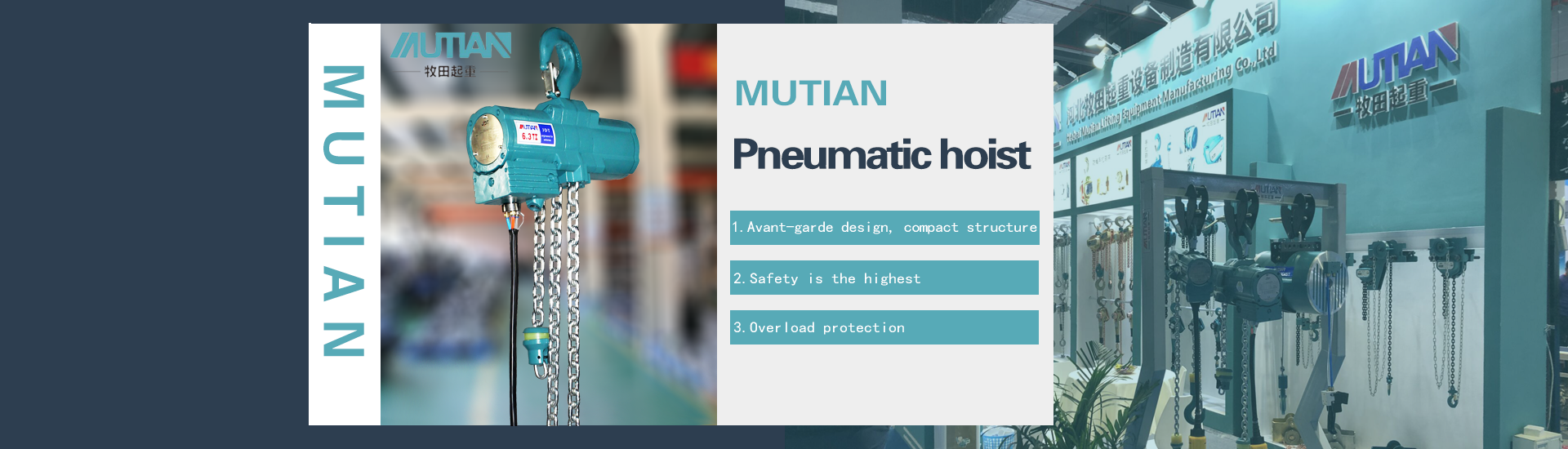
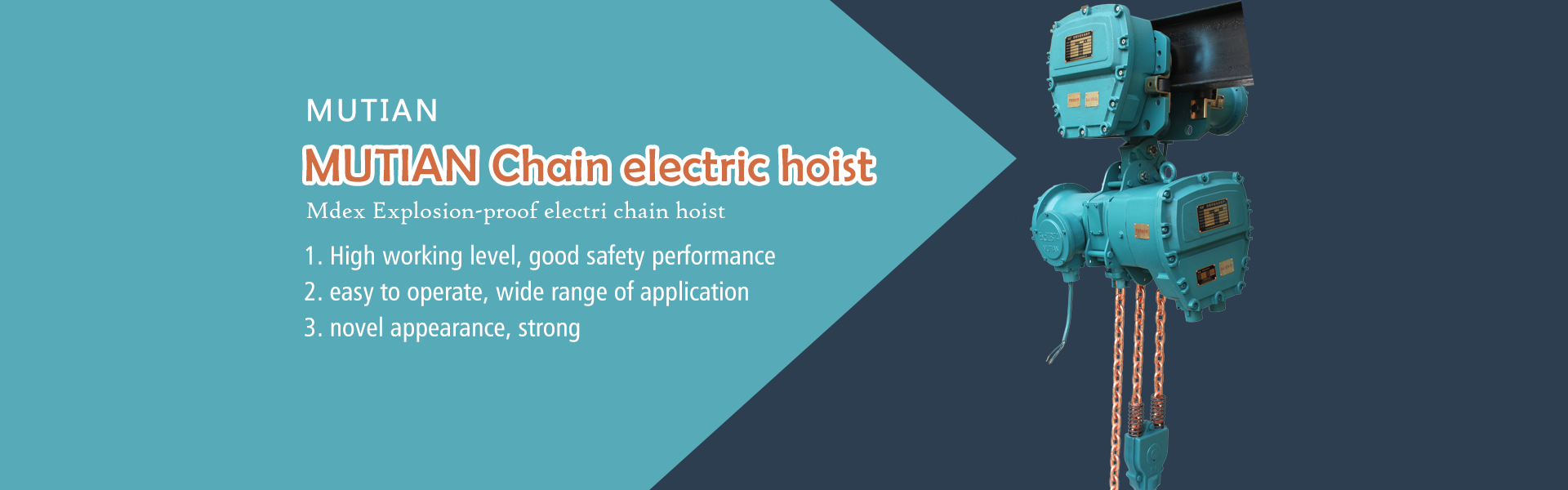
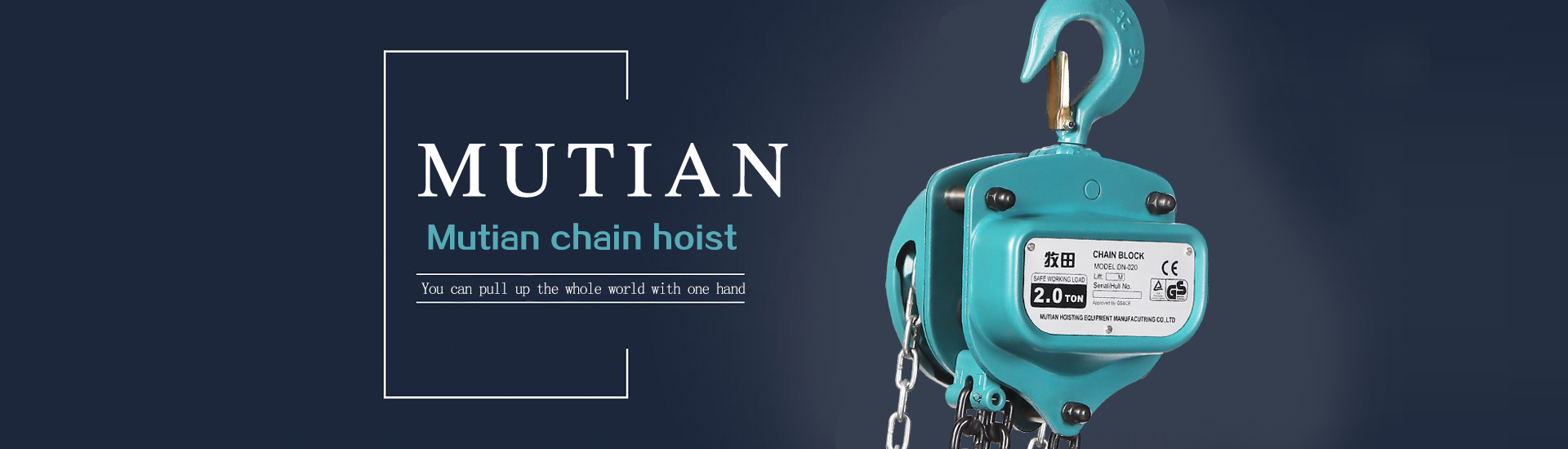
The main equipment produced by Hebei Makita: stage electric hoist, electric chian hoist, wire rope electric hoist,Hand chain hoist, lever hoist, pneumatic hoist and other lifting equipment
 phone
phone
 service
 message
 e-mail
