 中文版
中文版





releaseTime:2025-07-25 09:09:20source:Mu TiannumberOfPageViews:0
To ensure the reliable performance, extended service life, and safe operation of forklifts, a systematic maintenance and upkeep plan is essential. Here’s a structured approach to forklift maintenance:
1. Daily Maintenance (Pre-Shift Checks)
Objective: Identify and address minor issues before they escalate into major problems.
Visual Inspection:
Check for oil, fuel, or coolant leaks.
Inspect tires for wear, cuts, or low pressure (especially pneumatic tires).
Verify hydraulic hoses and connections for cracks or leaks.
Ensure forks are straight, not cracked, and properly secured.
Check mast chains for tension and damage (no kinks or excessive slack).
Fluid Level Checks:
Engine Oil: Check dipstick; top up if low (for internal combustion forklifts).
Coolant: Verify level in reservoir (for liquid-cooled engines).
Brake Fluid: Ensure reservoir is filled to the mark.
Hydraulic Fluid: Check level in the reservoir; low levels may indicate leaks.
Battery Maintenance (Electric Forklifts):
Check electrolyte levels (for wet-cell batteries) and top up with distilled water if needed.
Inspect battery terminals for corrosion; clean with a baking soda solution if necessary.
Ensure cables are secure and undamaged.
Operational Tests:
Start the forklift and test brakes, steering, and horn.
Lift and lower the forks to check hydraulic function.
Verify that lights, alarms, and safety interlocks (e.g., seatbelt, overhead guard) work.
2. Weekly Maintenance
Objective: Address wear-and-tear components and prevent premature failure.
Lubrication:
Grease all moving parts (e.g., mast rollers, tilt cylinders, steering linkages) using manufacturer-recommended grease.
Pay attention to pivot points and areas subject to friction.
Tire Inspection:
Check for uneven wear, embedded debris, or damage.
Rotate tires if recommended by the manufacturer to extend lifespan.
Brake System Check:
Inspect brake pads/shoes for wear; replace if thickness is below the minimum.
Check brake drums/rotors for scoring or cracks.
Filter Replacement:
Replace air filters (engine and cabin, if applicable) to ensure clean air intake.
Clean or replace fuel filters (for diesel/LPG forklifts).
3. Monthly Maintenance
Objective: Perform in-depth checks to catch hidden issues early.
Engine/Transmission Inspection:
Check belts (e.g., alternator, hydraulic pump) for cracks or loose tension.
Inspect hoses for aging, bulges, or leaks.
Verify transmission fluid level and condition (for automatic transmissions).
Electrical System Check:
Test battery voltage and specific gravity (for wet-cell batteries).
Inspect wiring harnesses for fraying or loose connections.
Clean battery contacts with a wire brush to prevent corrosion.
Structural Integrity:
Examine the overhead guard, mast, and chassis for cracks or deformation.
Tighten loose bolts or nuts, especially on the mast and fork carriage.
4. Quarterly Maintenance
Objective: Conduct comprehensive evaluations and preventive replacements.
Hydraulic System Overhaul:
Replace hydraulic fluid if contaminated or past the recommended service interval.
Inspect seals and O-rings for leaks; replace if necessary.
Cooling System Service:
Flush and replace coolant (per manufacturer’s schedule).
Clean the radiator fins to prevent overheating.
Fork Inspection:
Measure fork thickness and wear; replace if beyond safe limits (typically 10% wear from original dimensions).
Check fork heels for cracks or bending.
5. Annual Maintenance
Objective: Ensure long-term reliability and compliance with safety standards.
Full System Audit:
Perform a load test to verify capacity and stability.
Inspect the entire forklift for compliance with OSHA/ANSI safety standards.
Update safety decals and operator manuals if needed.
Engine/Motor Overhaul:
Replace spark plugs (for gasoline engines) or glow plugs (for diesel).
Clean or replace the fuel injectors (for diesel engines).
Inspect the electric motor (for electric forklifts) for brush wear or commutator damage.
Chassis Alignment:
Check wheel alignment to prevent uneven tire wear and steering issues.
Adjust tracking if necessary.
6. Special Maintenance Considerations
Electric Forklifts:
Store batteries in a cool, dry place when not in use.
Avoid deep discharges; recharge when the battery reaches 20-30% capacity.
Use a battery watering system to automate electrolyte maintenance.
Internal Combustion Forklifts:
Use clean fuel and high-quality oil to extend engine life.
Replace exhaust system components (e.g., muffler, catalytic converter) if damaged.
Environmental Factors:
In corrosive environments (e.g., chemical plants), rinse the forklift with fresh water daily.
In cold climates, use winter-grade fluids and block heaters for diesel engines.
7. Record-Keeping and Documentation
Maintain a log of all maintenance activities, including dates, parts replaced, and technician notes.
Track repair costs and downtime to identify recurring issues or justify equipment replacement.
Use digital maintenance management software (e.g., CMMS) for efficiency and compliance.
8. Operator Training and Involvement
Train operators to report unusual noises, vibrations, or performance issues immediately.
Encourage a "clean-as-you-go" policy to keep the forklift free of debris and spills.
Provide checklists for daily inspections to ensure consistency.
9. Professional Servicing
Schedule regular visits from a certified forklift technician for complex tasks (e.g., engine overhauls, hydraulic system repairs).
Use original equipment manufacturer (OEM) parts for replacements to ensure compatibility and reliability.
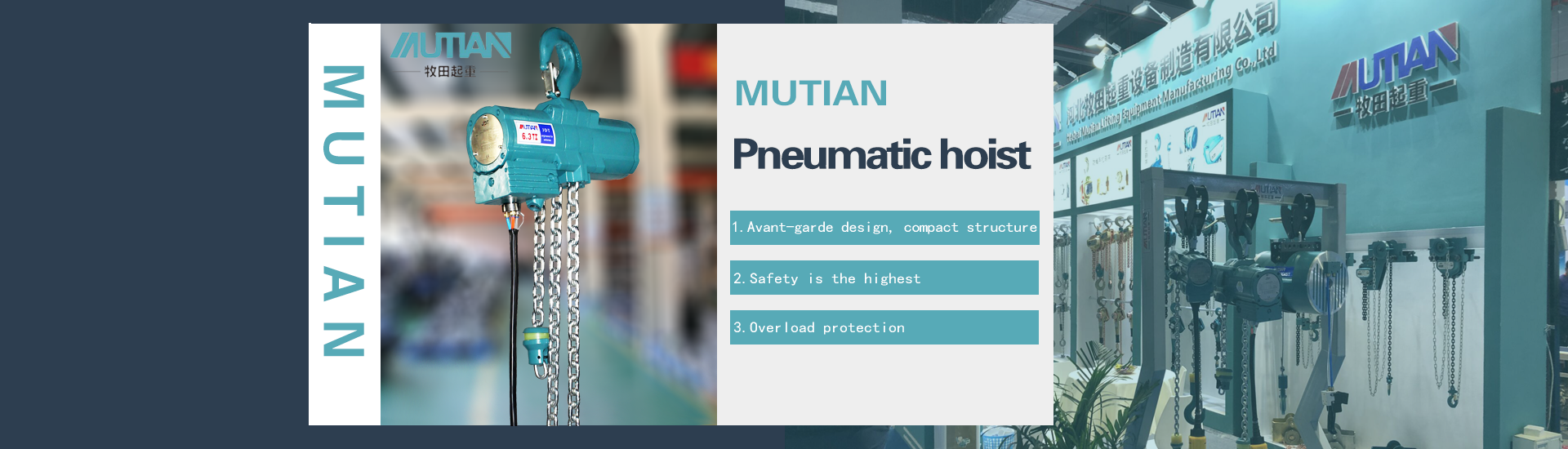
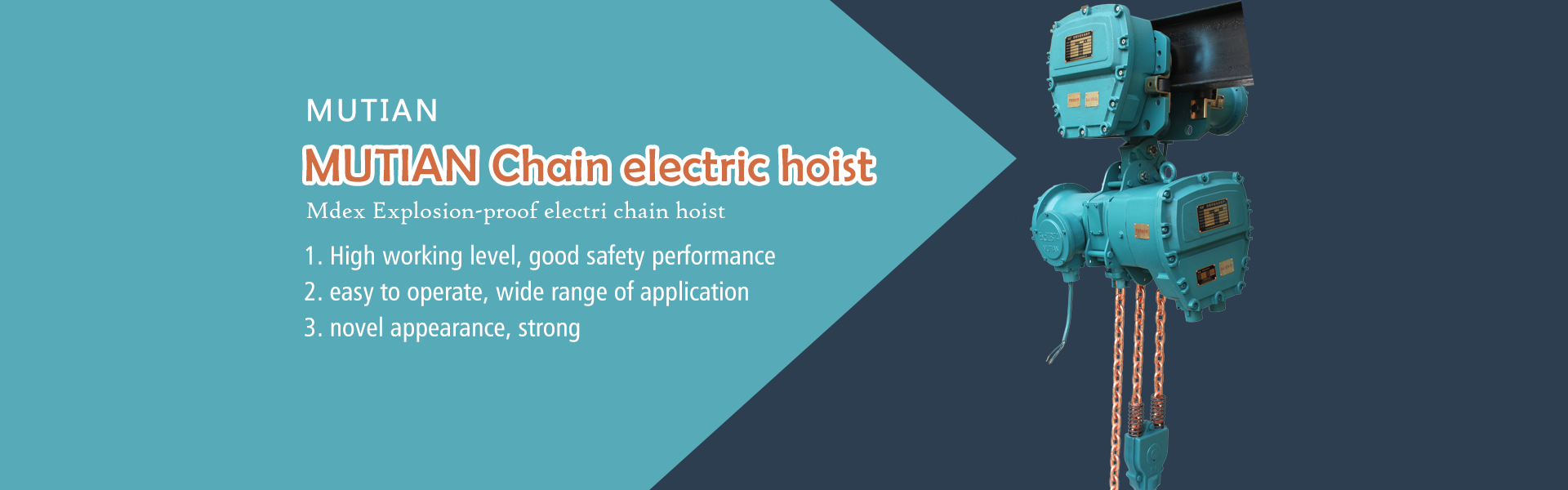
The main equipment produced by Hebei Makita: stage electric hoist, electric chian hoist, wire rope electric hoist,Hand chain hoist, lever hoist, pneumatic hoist and other lifting equipment
 phone
phone
 service
 message
 e-mail
