 中文版
中文版






releaseTime:2025-08-26 09:10:39source:Mu TiannumberOfPageViews:0
Operating hydraulic forklifts safely is crucial to prevent accidents, injuries, and equipment damage. Here’s a comprehensive guide on how to operate hydraulic forklifts more safely:
1. Pre-Operational Safety Checks
Inspect the Forklift: Before starting, conduct a thorough visual inspection of the forklift. Check for any visible damage, leaks, or loose parts.
Check Hydraulic System: Ensure the hydraulic system is functioning properly. Look for signs of hydraulic fluid leaks, which can indicate a problem with the cylinders, hoses, or seals.
Verify Brakes and Steering: Test the brakes and steering to ensure they are responsive and working correctly.
Examine Tires: Check the tire pressure and condition. Worn or underinflated tires can affect stability and handling.
Inspect Forks and Attachments: Ensure the forks are not bent or cracked and that any attachments (like clamps or side shifters) are securely fastened.
Check Safety Devices: Verify that all safety devices, such as horns, lights, and backup alarms, are in working order.
2. Proper Loading Techniques
Know the Load Capacity: Never exceed the forklift’s rated load capacity. Overloading can cause the forklift to tip over or lose stability.
Distribute the Load Evenly: Ensure the load is evenly distributed on the forks. An uneven load can shift during movement, leading to instability.
Secure the Load: Use appropriate restraints, such as chains or straps, to secure the load and prevent it from shifting or falling during transport.
Adjust Fork Width: If the forklift has adjustable forks, set them to the appropriate width for the load to ensure stability.
3. Safe Operating Practices
Maintain a Safe Speed: Operate the forklift at a safe speed, especially when turning or navigating through tight spaces. Excessive speed can lead to loss of control.
Keep a Clear View: Always maintain a clear line of sight. If the load obstructs your view, drive in reverse or use a spotter to guide you.
Use Horn and Lights: Use the horn and lights to alert others of your presence, especially when approaching intersections, blind spots, or areas with pedestrian traffic.
Avoid Sudden Movements: Make smooth and gradual starts, stops, and turns. Sudden movements can cause the load to shift or the forklift to tip over.
Keep a Safe Distance: Maintain a safe distance from other forklifts, pedestrians, and obstacles. Allow plenty of room for stopping and maneuvering.
Watch for Overhead Obstructions: Be aware of overhead obstructions, such as low ceilings, doorways, or hanging objects, which can pose a risk when lifting loads.
4. Stability and Balance
Lower the Forks When Not in Use: When not carrying a load, lower the forks to the ground or to a safe height. This improves stability and reduces the risk of tripping hazards.
Avoid Tilting the Load Unnecessarily: Tilting the load forward or backward can affect stability. Only tilt the load when necessary for loading or unloading.
Keep the Center of Gravity Low: When lifting a load, keep the center of gravity as low as possible to maintain stability. Avoid raising the load higher than necessary.
Be Cautious on Inclines: When operating on an incline, drive with the load facing uphill to maintain stability. Avoid turning on an incline, as this can increase the risk of tipping over.
5. Parking and Shutdown Procedures
Park on Level Ground: When parking the forklift, choose a level surface to prevent it from rolling or tipping over.
Lower the Forks: Lower the forks to the ground and set the parking brake before exiting the forklift.
Turn Off the Engine: If the forklift is equipped with an engine, turn it off and remove the key to prevent unauthorized use.
Block the Wheels: If necessary, use wheel chocks to block the wheels and prevent the forklift from moving.
6. Personal Protective Equipment (PPE)
Wear a Seatbelt: Always wear a seatbelt when operating the forklift to prevent ejection in the event of an accident.
Use Safety Glasses: Wear safety glasses to protect your eyes from flying debris or splashes of hydraulic fluid.
Wear Steel-Toed Boots: Steel-toed boots provide protection for your feet in case the forklift drops a load or runs over your feet.
Consider a Hard Hat: In areas where there is a risk of falling objects, wear a hard hat for additional protection.
7. Training and Certification
Receive Proper Training: Ensure that all forklift operators receive proper training and certification before operating the equipment. Training should cover safe operating procedures, hazard recognition, and emergency response.
Refresh Training Regularly: Provide regular refresher training to keep operators up-to-date on safe operating practices and any changes in equipment or procedures.
Encourage Reporting: Encourage operators to report any safety concerns, near-misses, or incidents to management for investigation and corrective action.
8. Maintenance and Inspections
Follow a Maintenance Schedule: Establish and follow a regular maintenance schedule for the forklift to ensure it remains in safe operating condition.
Conduct Regular Inspections: Perform regular inspections of the forklift, including daily pre-operational checks, to identify and address any potential safety issues.
Keep Records: Maintain records of all maintenance and inspections to track the forklift’s history and ensure compliance with safety regulations.
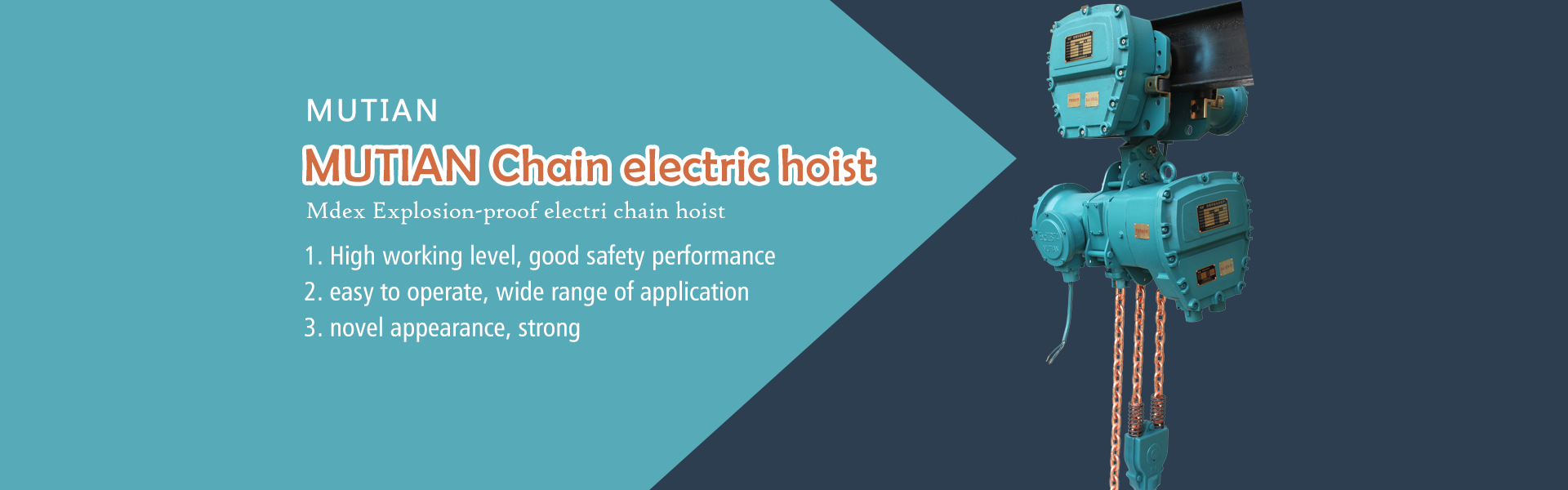
The main equipment produced by Hebei Makita: stage electric hoist, electric chian hoist, wire rope electric hoist,Hand chain hoist, lever hoist, pneumatic hoist and other lifting equipment
 phone
phone
 service
 message
 e-mail
