 中文版
中文版




releaseTime:2025-07-25 09:01:32source:Mu TiannumberOfPageViews:0
When selecting forklift manufacturers based on requirements, the following aspects should be considered to ensure the chosen manufacturer can meet operational needs while providing reliable products and services:
1. Forklift Performance and Technical Parameters
Load Capacity: Ensure the forklift can safely handle the maximum weight of goods in your operations.
Lifting Height: The forklift should reach the highest storage point in your warehouse or facility.
Operating Flexibility: Consider the turning radius and maneuverability, especially for operations in confined spaces.
Efficiency: High-efficiency forklifts reduce cycle times and improve overall productivity. Factors include speed (driving, lifting, lowering), operational accuracy, and ergonomic design to minimize operator fatigue.
Safety: The forklift should have robust safety features to protect operators, goods, and the equipment itself. This includes stability, braking systems, and operator protection devices.
2. Product Quality and Reliability
Brand Reputation: Choose manufacturers with a strong reputation for quality and reliability. Well-known brands often have better quality control and after-sales support.
Durability: The forklift should be built to withstand the demands of your operating environment, whether it's indoor, outdoor, or in harsh conditions.
Failure Rate: Low-maintenance forklifts with a low failure rate reduce downtime and operational costs.
3. Cost-Effectiveness
Initial Purchase Cost: While cost is a factor, it should not be the sole determinant. Consider the total cost of ownership, including maintenance, energy consumption, and labor costs.
Maintenance Costs: High-quality forklifts typically have lower maintenance costs due to their durability and reliability.
Energy Consumption: Electric forklifts may have lower operating costs compared to diesel or LPG forklifts, depending on usage patterns and energy prices.
Labor Costs: Efficient forklifts can reduce the number of operators needed, lowering labor costs.
4. After-Sales Service and Support
Service Network: The manufacturer should have a widespread service network to provide timely maintenance and repairs.
Spare Parts Availability: Ensure spare parts are readily available to minimize downtime in case of breakdowns.
Technical Support: The manufacturer should offer responsive technical support to address any issues promptly.
Training Services: Some manufacturers provide operator training, which can improve safety and efficiency in your operations.
5. Customization and Flexibility
Customization Options: If your operations have unique requirements, choose a manufacturer that offers customization options to tailor the forklift to your specific needs.
Scalability: Consider whether the manufacturer can provide a range of forklift models to accommodate future growth or changes in your operations.
6. Environmental and Regulatory Compliance
Emissions Standards: Ensure the forklift meets local emissions regulations, especially for indoor operations where air quality is a concern.
Energy Efficiency: Electric forklifts or hybrid models may be more suitable for environmentally conscious operations or those subject to strict emissions regulations.
7. Manufacturer's Reputation and Track Record
Industry Experience: Choose a manufacturer with extensive experience in the forklift industry, as they are more likely to understand your needs and provide reliable products.
Customer Reviews: Research customer reviews and testimonials to gauge the manufacturer's reputation for quality, reliability, and after-sales support.
Case Studies: Look for case studies or references from similar industries to see how the manufacturer's products perform in real-world scenarios.
8. Technological Innovation and Future-Readiness
Advanced Features: Consider forklifts with advanced features such as automation, telemetry, or ergonomic designs that can improve efficiency and operator comfort.
Future Upgrades: Choose a manufacturer that invests in research and development to ensure their products remain competitive and can be upgraded as technology advances.
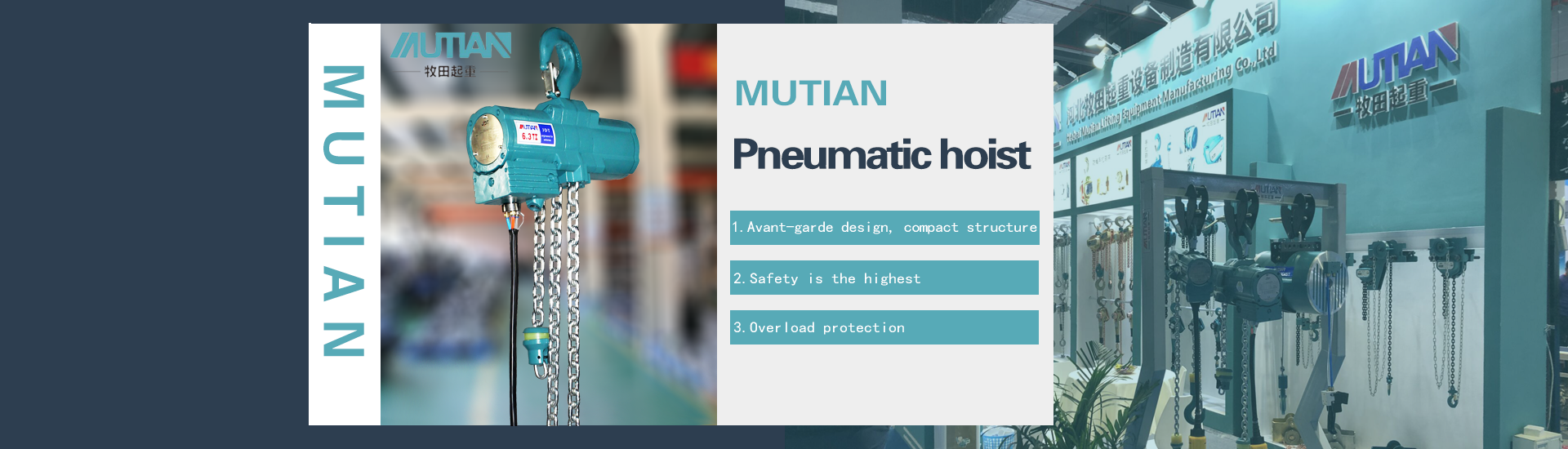
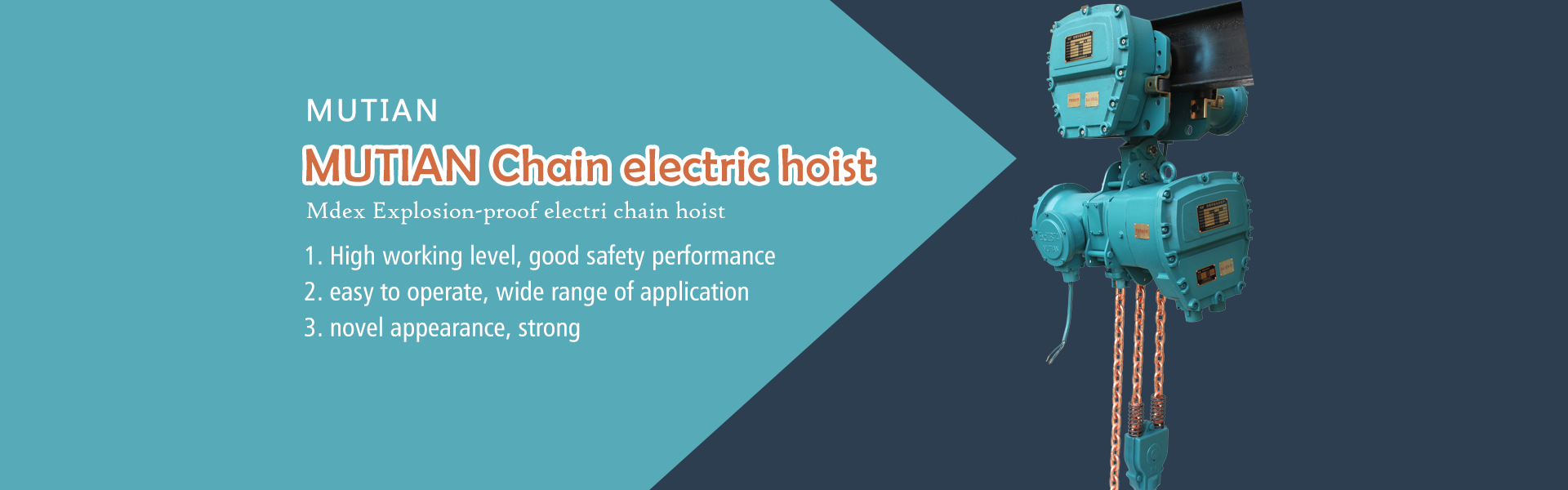
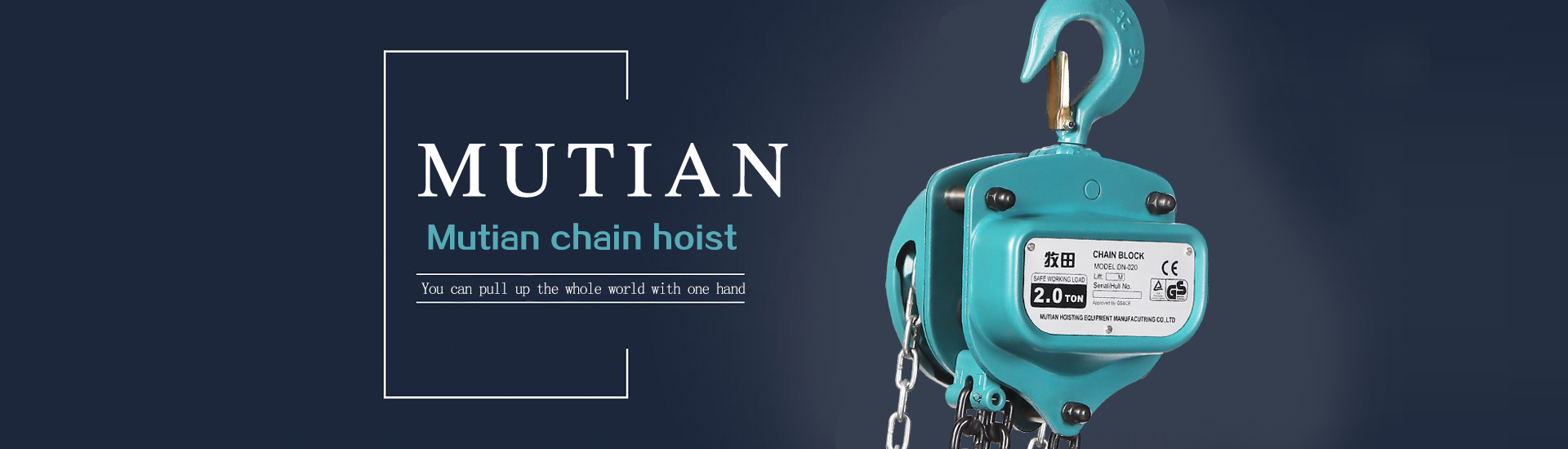
The main equipment produced by Hebei Makita: stage electric hoist, electric chian hoist, wire rope electric hoist,Hand chain hoist, lever hoist, pneumatic hoist and other lifting equipment
 phone
phone
 service
 message
 e-mail
