 中文版
中文版




releaseTime:2025-08-28 10:48:43source:Mu TiannumberOfPageViews:0
Hydraulic forklifts can be divided into two categories based on their power source and functional design: manual hydraulic forklifts and electric hydraulic forklifts. They each have their own characteristics in terms of structure, performance, and applicable scenarios. The following is a detailed introduction:
1、 Characteristics of manual hydraulic forklift
Structure and Operation
Power source: The hydraulic system is driven by manually pressing the handle to lift and transport the fork, without the need for electricity or fuel.
Structural features:
The door frame is made of heavy-duty "C" steel column steel, and cold bending forming technology enhances its firmness and safety.
The oil cylinder adopts high-precision grinding tube, imported oil seal and integrated valve core, which is easy to disassemble and maintain, and the lifting speed is stable.
The width of the fork can be adjusted (340mm-990mm) to accommodate different sizes of goods and pallets.
Operation method: Foot or manual pressure relief, simple operation, no need for professional skill training.
performance advantage
Environmental friendliness: No pollution, no noise, suitable for fire and explosion prevention places (such as printing workshops, oil depots, chemical warehouses).
Flexibility: With a small turning radius, it can flexibly shuttle through narrow passages (such as shelves), suitable for environments with limited space.
Economy: Low price, low maintenance cost, no need for battery or fuel expenses.
Safety: The braking device is located on the drive wheel, with a lightweight and compact design; Lift and balance to reduce the risk of cargo tipping.
limitation
Load capacity: usually suitable for light loads (generally not exceeding 3 tons), with high physical exertion when transporting heavy objects.
Efficiency: Frequent lifting and handling of heavy objects has a low efficiency, making it suitable for short distance, low-intensity operations.
Function: Unable to achieve high-level stacking or complex space operations.
Applicable scenarios
Short distance handling scenarios such as small warehouses, workshops, docks, and stations.
Loading, unloading, and transportation of flammable and explosive materials (such as chemicals and oil products).
Enterprises with limited budget or high environmental requirements.
2、 Characteristics of electric hydraulic forklift
Structure and Operation
Power source: Electric drive, electric steering, acceleration, and hydraulic control systems are controlled by electrical signals.
Structural features:
Divided into fully electric and semi electric types: Fully electric driving and lifting are both controlled by motors, while semi electric forklifts need to be manually driven to move.
Equipped with a large capacity traction battery, supporting long-term continuous operation.
Operation mode: Button controlled lifting, forward and backward, easy and effortless to operate.
performance advantage
Efficiency: With strong power, it can easily transport heavy objects (with a carrying capacity of 1.6-3.0 tons), suitable for large-scale and high-intensity operations.
Flexibility:
Electric pallet handling vehicle: The width of the operating channel is 2.3-2.8 meters, and the lifting height of the fork is about 210mm, suitable for horizontal handling.
Electric pallet stacker: The fork lift height can reach 4.8 meters and supports stacking of goods in the warehouse.
Forward moving forklift: capable of lifting up to 11 meters, suitable for medium height stacking.
Three way stacking forklift: with a channel width of 1.5-2.0 meters and a lifting height of up to 14.5 meters, it supports high-level picking operations.
Safety: Smooth driving, less likely for goods to shake, reducing the risk of accidents.
Comfort: Wide driving vision and low labor intensity for operators.
limitation
Cost: The price is relatively high, with a large initial investment, and battery maintenance and charging costs need to be considered in the future.
Applicability: Due to battery life limitations, it is not suitable for long-term outdoor work or uneven road conditions.
Maintenance: The motor and electrical system require regular maintenance, and the technical requirements for maintenance are high.
Applicable scenarios
Large warehouses, logistics centers, and other scenarios that require frequent lifting and handling of heavy objects.
Enterprises that require high efficiency and high workload, such as e-commerce warehousing and manufacturing.
Pursuing modern warehouses with automation and intelligence.
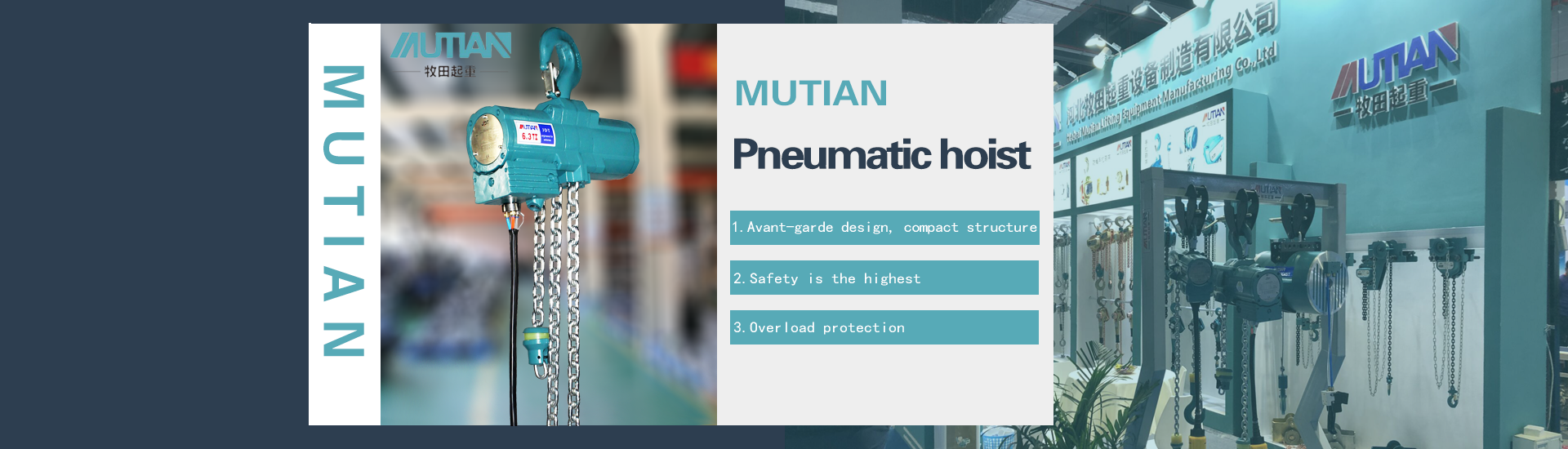
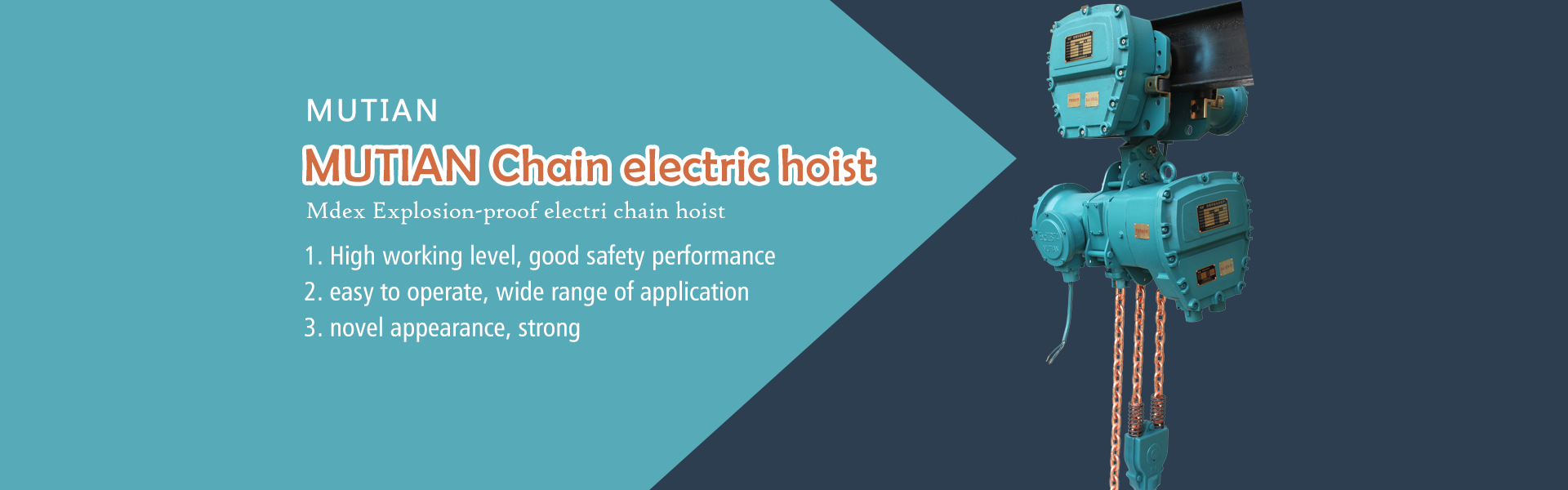
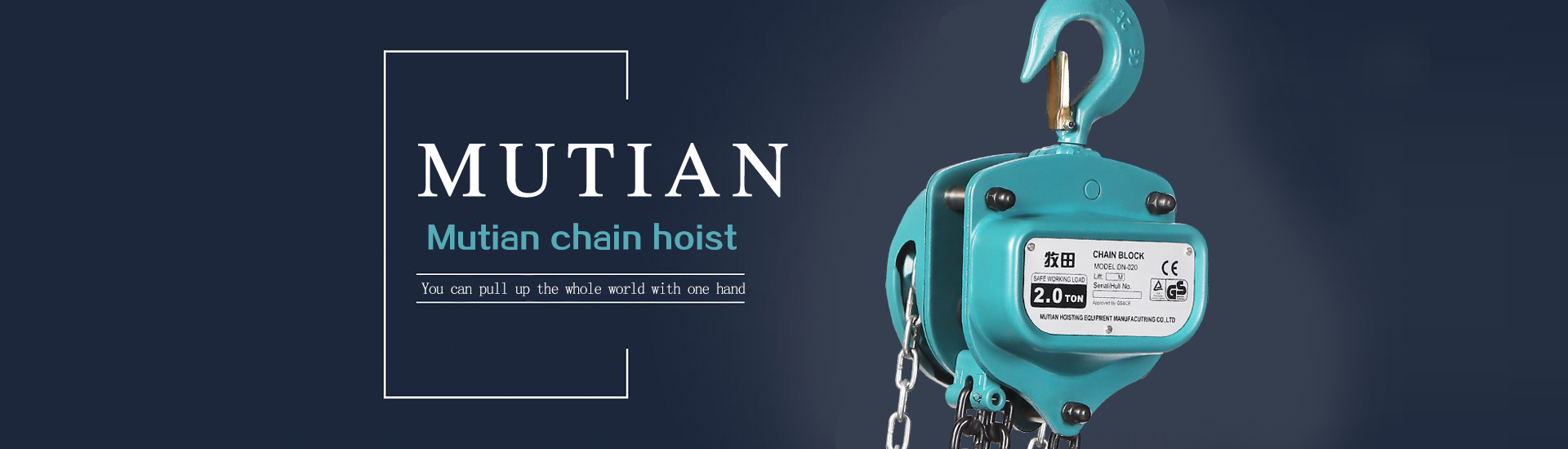
The main equipment produced by Hebei Makita: stage electric hoist, electric chian hoist, wire rope electric hoist,Hand chain hoist, lever hoist, pneumatic hoist and other lifting equipment
 phone
phone
 service
 message
 e-mail
