 中文版
中文版




releaseTime:2025-07-30 08:36:24source:Mu TiannumberOfPageViews:0
As the core equipment of modern warehousing and logistics, the standardized operation of electric forklifts is crucial for improving operational efficiency, ensuring personnel safety, and extending equipment lifespan. The following six dimensions systematically explain its usage standards:
1、 Preparation before operation
Equipment inspection
Confirmation of battery level (voltage ≥ 58V, electrolyte level 10mm above electrode plate)
Tire pressure detection (inflatable tire pressure 0.8-1.2MPa)
Hydraulic system leakage inspection (visual method, dripping ≤ 3 drops per minute)
Functional testing of safety devices (horn, turn signal, emergency brake)
Environmental Assessment
Channel width ≥ 2.7m (balanced weight forklift)
Ground bearing capacity verification (concrete ground ≥ 15MPa)
Slope gradient control (longitudinal ≤ 15%, transverse ≤ 5%)
2、 Standardized homework process
Start program
Key door three gear operation: OFF → ON (self-test) → START
Instrument panel abnormal code recognition (such as E01 battery overvoltage, E03 motor overheating)
Driving standards
Cargo time limit of 8 km/h, empty load of 12 km/h
Reserve a turning radius of 1.5 times the length of the vehicle body
Activate the reverse buzzer when the field of view is obstructed (frequency 120 ± 10 times/minute)
Loading and unloading operations
Adjust the fork spacing to the load width+50mm
Vertical lifting height control (loaded at 200mm from the outer end of the fork)
Stacking accuracy requirement (interlayer deviation ≤ 10mm)
3、 Battery Management System
Charging strategy
Charge within 8 hours after deep discharge (≤ 20%)
Three stage charging method: constant current (0.2C) → constant voltage (58.4V) → float charging (55.2V)
Charging environment temperature 15-30 ℃, ventilation rate ≥ 1m ³/min · kW
Maintenance points
Add distilled water every month (up to 15mm above the liquid level)
Quarterly balanced charging (single cell voltage difference ≤ 0.05V)
Annual deep discharge testing (capacity ≥ 85% rated value)
4、 Security protection system
PPE configuration
Anti smashing safety shoes (EN ISO 20345:2011 standard)
Reflective vest (reflectivity coefficient ≥ 330cd/(lx · m ²))
Dust mask (KN95 type with filtration efficiency ≥ 95%)
Operation ban
Single fork operation is prohibited (when the load is ≥ 500kg)
Personnel are prohibited from standing on the forks
Do not perform turning operations on slopes
5、 Exception handling mechanism
Quick Reference Table for Fault Codes
E05: Controller overheating → Shutdown cooling for 30 minutes
E08: Steering sensor malfunction → Switch to manual mode
E12: Abnormal braking resistance → reduced driving speed
Emergency response process
Battery leakage: Neutralization treatment (5% boric acid solution)
Motor smoking: Immediately disconnect the main power switch
Personnel trapped: Activate hydraulic release valve (manual operation position as shown in the diagram)
6、 Energy efficiency optimization plan
energy recovery system
The energy recovery efficiency during downhill braking can reach 12-18%
Set three levels of recovery intensity for the deceleration section (weak/medium/strong corresponding to different loads)
path planning algorithm
Using the A * algorithm to optimize the pickup path (reducing the average travel distance by 17%)
Dynamic obstacle avoidance system response time ≤ 200ms
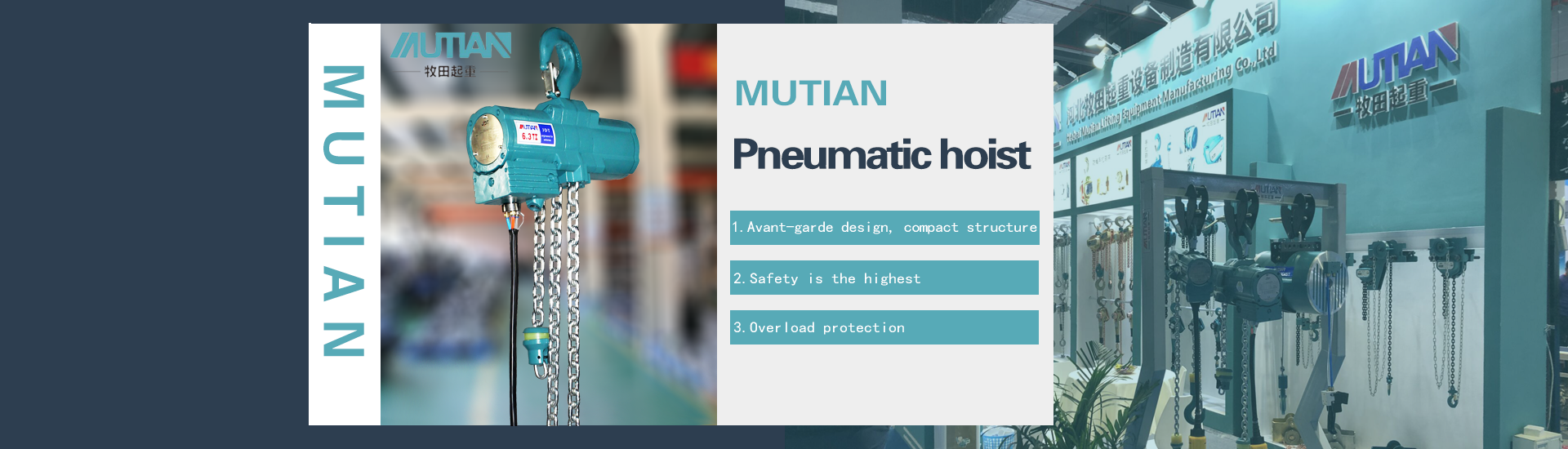
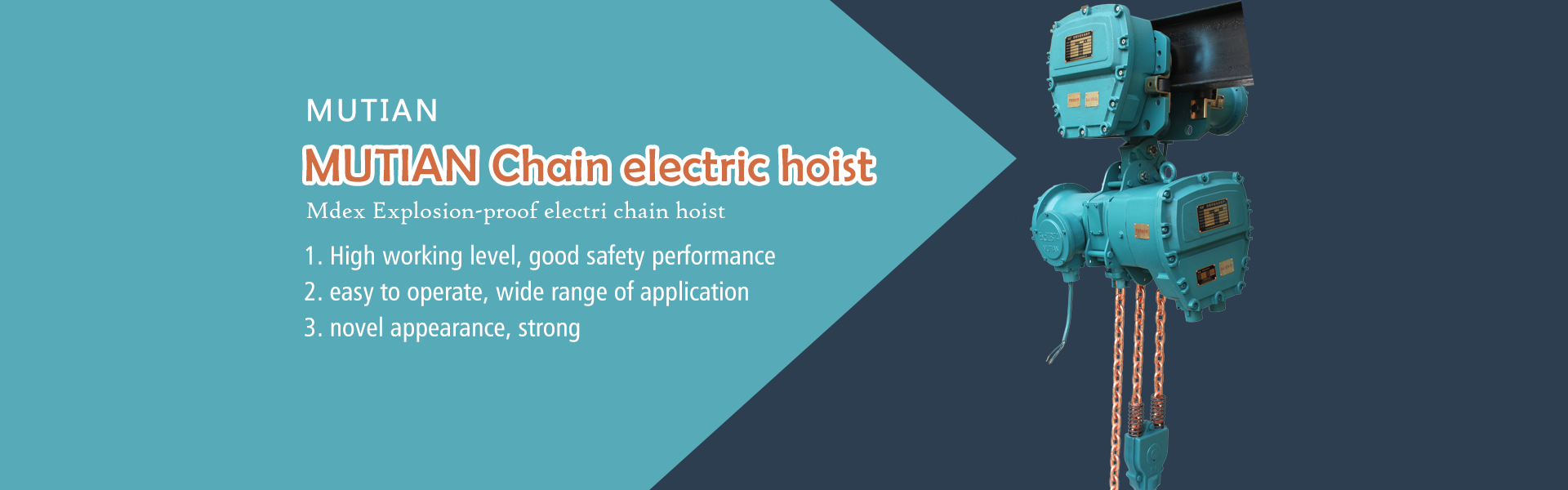
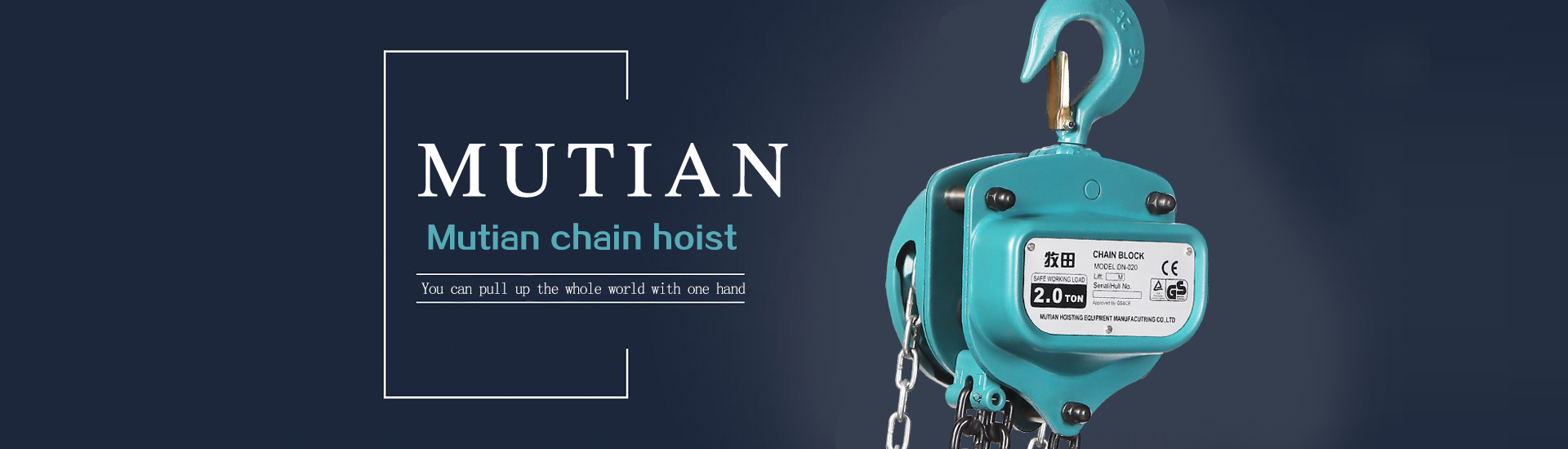
The main equipment produced by Hebei Makita: stage electric hoist, electric chian hoist, wire rope electric hoist,Hand chain hoist, lever hoist, pneumatic hoist and other lifting equipment
 phone
phone
 service
 message
 e-mail
