 中文版
中文版





releaseTime:2025-07-17 09:09:44source:Mu TiannumberOfPageViews:0
Forklifts are essential equipment in warehouses, logistics centers, and manufacturing facilities, but their safe and efficient operation requires careful attention at every stage of use. Below are detailed precautions for forklifts during pre-operation, operation, and post-operation stages:
I. Pre-Operation Precautions
Inspection & Maintenance Checks
Daily Inspections:
Check for fluid leaks (oil, hydraulic fluid, coolant).
Verify tire pressure and tread condition (no cuts or excessive wear).
Inspect brakes, steering, and lights for proper functionality.
Ensure forks are not cracked, bent, or excessively worn.
Test the horn, backup alarm, and safety lights.
Battery/Fuel Check:
For electric forklifts: Ensure batteries are fully charged and terminals are clean.
For internal combustion forklifts: Check fuel levels and engine oil.
Load Capacity Verification:
Confirm the forklift’s rated capacity matches the load weight.
Never exceed the maximum load limit indicated on the data plate.
Environmental Assessment
Work Area Inspection:
Clear obstacles, debris, or spills that could cause slips or collisions.
Ensure aisles are wide enough for safe maneuvering.
Check for overhead hazards (low ceilings, hanging objects).
Floor Conditions:
Avoid uneven or slippery surfaces; use non-slip mats if necessary.
Mark uneven floors or ramps with warning signs.
Operator Preparedness
PPE (Personal Protective Equipment):
Wear safety shoes, high-visibility vests, and gloves.
Use a hard hat if working in areas with falling object risks.
Training & Certification:
Ensure operators are trained and certified for the specific forklift model.
Refresh training periodically (e.g., annually or after accidents).
II. Operation Precautions
Safe Loading & Unloading
Load Stability:
Center the load on the forks and tilt the mast slightly backward for stability.
Use ropes or straps to secure loose or irregularly shaped loads.
Height & Visibility:
Keep the load as low as possible while moving (no higher than necessary).
Use a spotter if visibility is obstructed by the load.
Avoid Overloading:
Never lift more than the rated capacity, even momentarily.
Maneuvering & Navigation
Speed Control:
Drive slowly in congested areas, near pedestrians, or on ramps.
Reduce speed when turning to prevent tipping.
Turning & Braking:
Avoid sharp turns, especially with a raised load.
Use the horn at intersections and blind spots.
Ramp Safety:
Drive up ramps in forward gear and down in reverse (never turn on a ramp).
Keep the load uphill when ascending/descending.
Pedestrian & Traffic Safety
Separation of Zones:
Designate forklift-only lanes and pedestrian walkways.
Use barriers or floor markings to separate traffic.
Communication:
Use hand signals or radios in noisy environments.
Yield to pedestrians and stop at crosswalks.
Avoiding Hazards
Fire Safety:
Keep flammable materials away from fuel/battery areas.
Store forklifts in well-ventilated areas if using propane or diesel.
Electrical Safety (Electric Forklifts):
Avoid operating near water or wet conditions to prevent electrocution.
Use insulated tools when servicing batteries.
III. Post-Operation Precautions
Parking & Shutdown
Proper Positioning:
Park on level ground with forks lowered to the floor.
Set the parking brake and engage neutral gear.
Power-Off Procedures:
For electric forklifts: Turn off the key and unplug the charger if applicable.
For internal combustion forklifts: Turn off the engine and remove the key.
Refueling/Recharging Safety
Fueling (Diesel/Propane):
Refuel in a well-ventilated area away from ignition sources.
Use approved containers and avoid spills.
Battery Charging (Electric Forklifts):
Charge batteries only in designated areas with fire extinguishers nearby.
Wear acid-resistant gloves and goggles when handling batteries.
Post-Use Inspection & Reporting
Damage Check:
Inspect for leaks, damaged parts, or loose bolts.
Report defects immediately to maintenance staff.
Documentation:
Log hours of operation, fuel consumption, or maintenance needs.
Storage & Security
Secure the Forklift:
Remove keys to prevent unauthorized use.
Store in a locked area if possible.
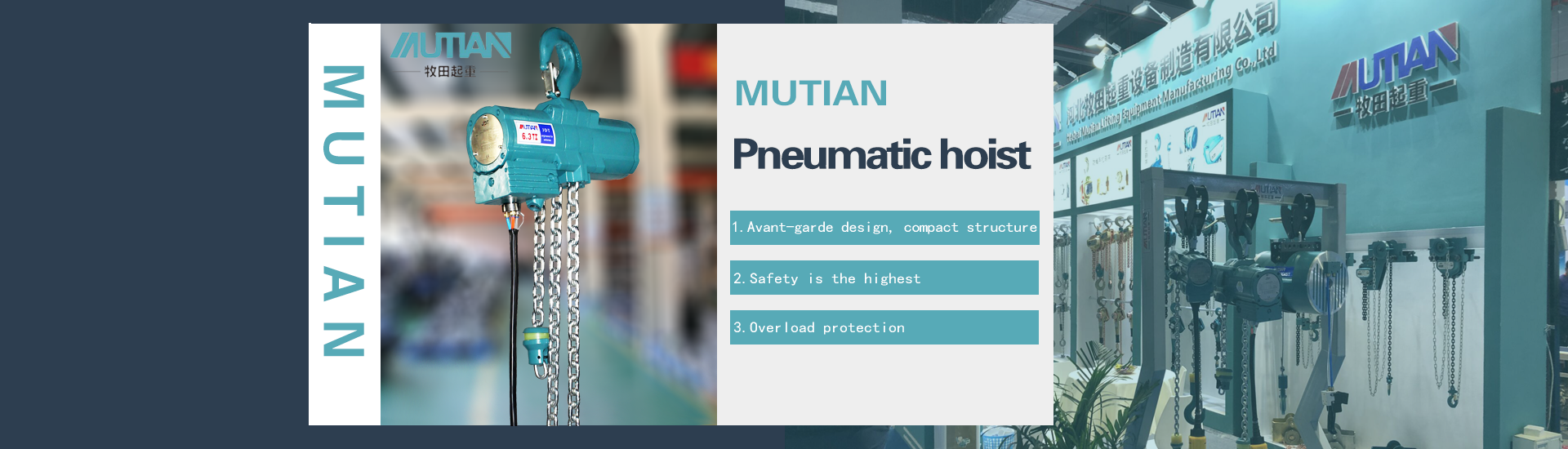
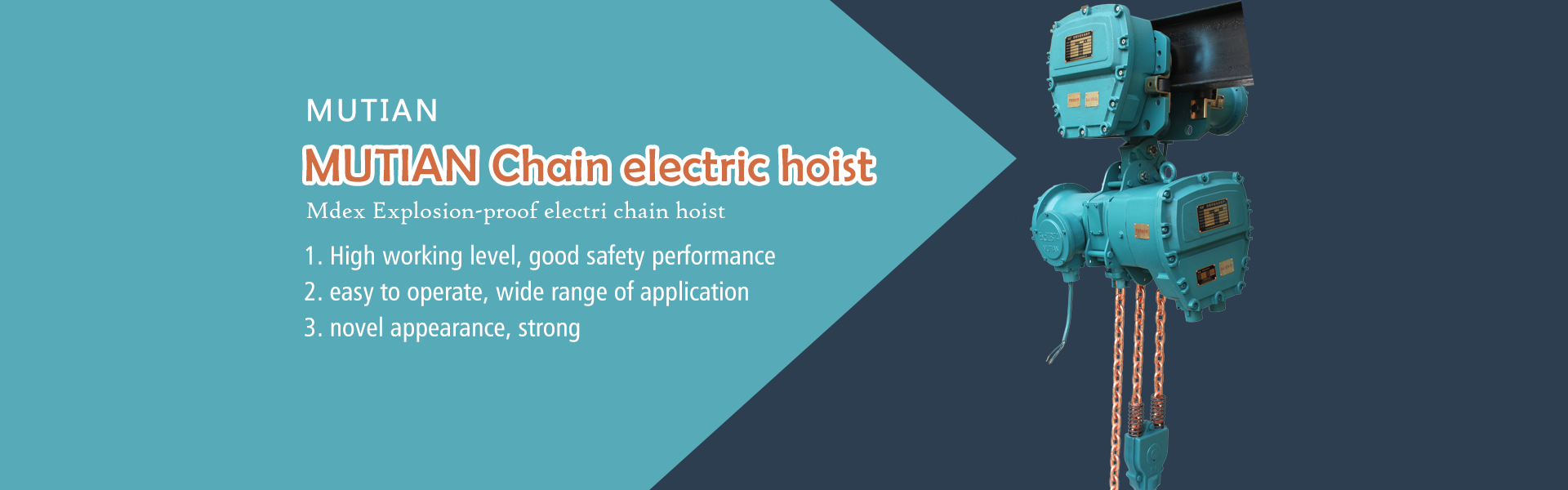
The main equipment produced by Hebei Makita: stage electric hoist, electric chian hoist, wire rope electric hoist,Hand chain hoist, lever hoist, pneumatic hoist and other lifting equipment
 phone
phone
 service
 message
 e-mail
