 中文版
中文版





releaseTime:2025-07-18 09:32:08source:Mu TiannumberOfPageViews:0
Forklifts, as essential material handling equipment in warehouses, factories, ports, and logistics centers, offer numerous advantages that enhance operational efficiency, safety, and cost-effectiveness. Here are the key benefits:
1. Efficient Material Handling
Heavy Lifting Capacity: Forklifts can lift and transport loads weighing several tons, reducing manual effort and enabling the movement of bulky or heavy items with ease.
Vertical Reach: Equipped with masts and forks, they can stack goods at heights, optimizing vertical storage space in warehouses and reducing floor space requirements.
Quick Loading/Unloading: Streamline processes in shipping, receiving, and inventory management by rapidly moving pallets or containers.
2. Versatility and Adaptability
Multiple Attachments: Forklifts can be fitted with specialized attachments (e.g., clamps, rotators, side shifters) to handle diverse cargo types, such as drums, rolls, or irregularly shaped items.
Indoor/Outdoor Use: Available in electric (for indoor use) and diesel/LPG (for outdoor or rugged environments) variants, they suit various operational settings.
Narrow Aisle Operation: Compact models (e.g., reach trucks) navigate tight spaces, maximizing storage density in high-bay warehouses.
3. Cost-Effectiveness
Reduced Labor Costs: Minimize the need for manual lifting, lowering the risk of injuries and associated workers' compensation claims.
Time Savings: Accelerate material flow, enabling faster order fulfillment and reducing downtime.
Long-Term Investment: Durable designs and low maintenance requirements (when properly serviced) ensure longevity, offering a high return on investment.
4. Safety Enhancements
Operator Protection: Modern forklifts feature enclosed cabs, seatbelts, and ergonomic controls to reduce operator fatigue and accidents.
Stability Features: Counterbalance designs and advanced stability systems prevent tipping during turns or lifting.
Visibility Improvements: Cameras, sensors, and LED lighting enhance visibility, reducing collisions and damage to goods.
5. Precision and Control
Smooth Operation: Hydraulic systems and intuitive controls allow precise positioning of loads, minimizing product damage.
Maneuverability: Compact turning radii enable navigation in confined spaces, such as aisles or loading docks.
6. Integration with Warehouse Management Systems (WMS)
Technology Compatibility: Many forklifts can be equipped with RFID scanners, barcode readers, or telematics to track inventory in real time and optimize workflows.
Automated Options: Autonomous forklifts (AGVs) are increasingly used in high-volume facilities to reduce human error and improve consistency.
7. Environmental Benefits
Electric Models: Zero emissions and quiet operation make them ideal for indoor use, improving air quality and reducing noise pollution.
Energy Efficiency: Advanced battery technologies (e.g., lithium-ion) offer longer runtimes and faster charging, cutting energy costs.
8. Scalability
Flexible Fleet Management: Businesses can scale their forklift fleet up or down based on seasonal demand, avoiding over-investment in fixed assets.
9. Improved Inventory Management
First-In, First-Out (FIFO) Compliance: Forklifts facilitate organized stacking, ensuring older inventory is accessed first, reducing waste.
Cycle Counting: Enable efficient stock checks by easily accessing high shelves, improving inventory accuracy.
10. Compliance with Regulations
Safety Standards: Modern forklifts adhere to strict safety regulations (e.g., OSHA in the U.S.), reducing legal and operational risks.
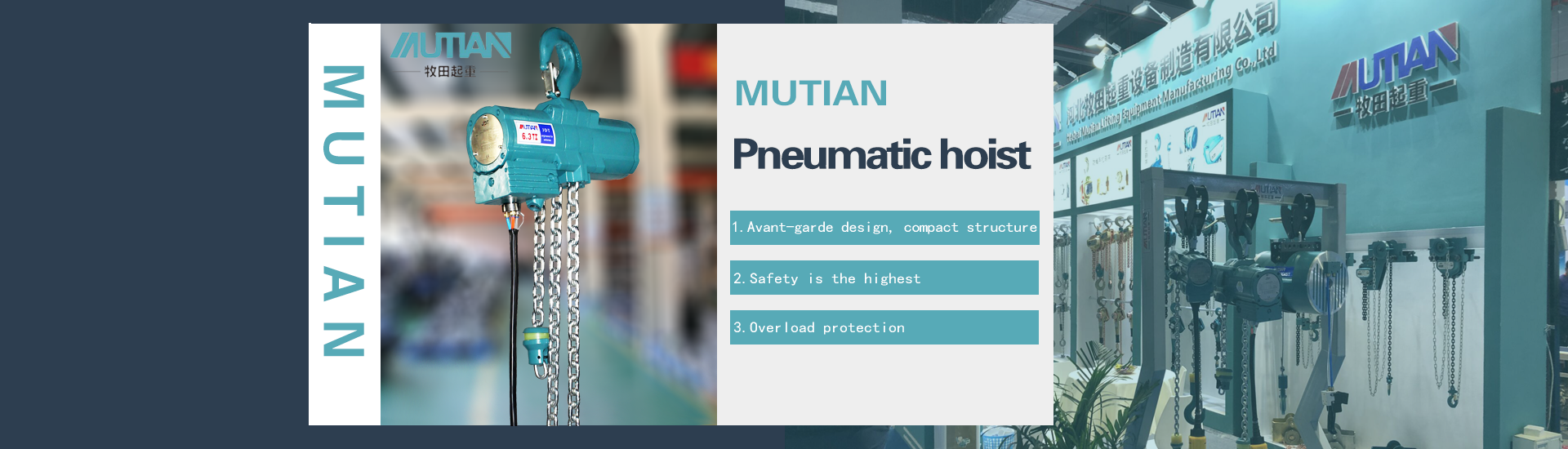
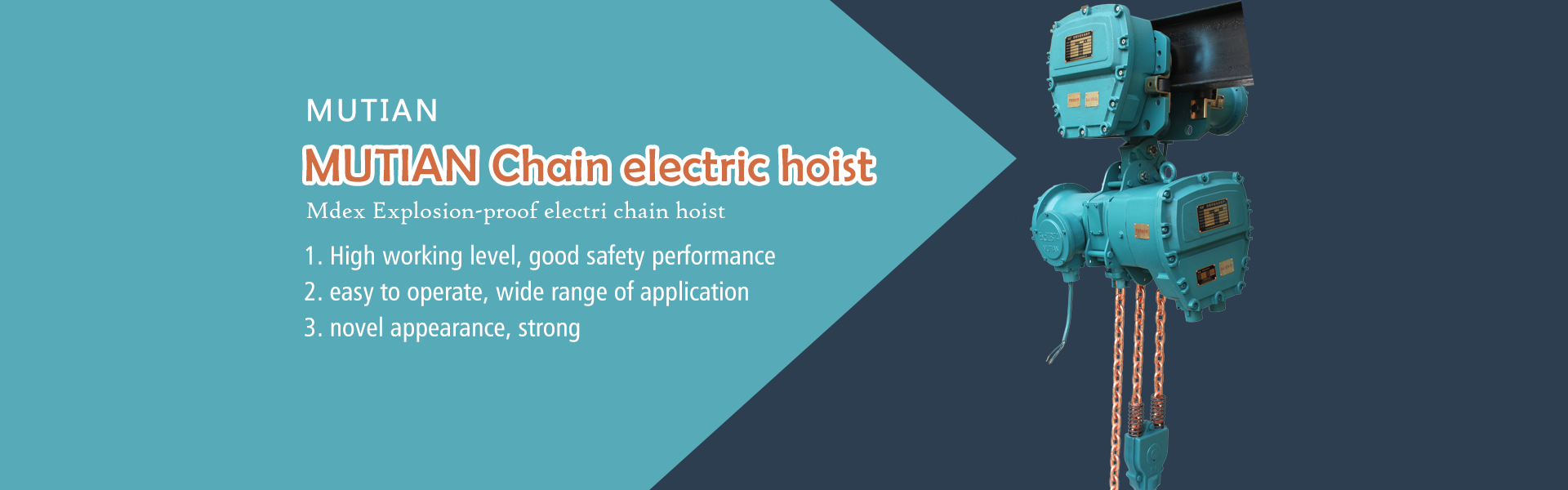
The main equipment produced by Hebei Makita: stage electric hoist, electric chian hoist, wire rope electric hoist,Hand chain hoist, lever hoist, pneumatic hoist and other lifting equipment
 phone
phone
 service
 message
 e-mail
