 中文版
中文版




releaseTime:2026-01-15 09:24:34source:Mu TiannumberOfPageViews:0
Requirements and safety specifications for the working environment of manual hoists
1、 Environmental adaptability requirements
Temperature and humidity
Temperature range: Indoor operating environment temperature -5 ℃ to+40 ℃ (24-hour average ≤ 35 ℃), outdoor operating temperature -25 ℃ to+40 ℃. Heat dissipation or cooling devices should be equipped in high temperature environments, and chain brittleness should be prevented in low temperature environments.
Humidity control: Relative humidity ≤ 85%. In humid environments, it is necessary to regularly apply rust proof oil or use drying equipment to prevent metal parts from rusting.
Corrosion and Pollution Protection
Avoid direct use in acidic, alkaline, salt spray, corrosive gas or liquid environments, and choose anti-corrosion models or install protective coatings.
Regularly clean chains and gears in dusty environments to prevent oil stains and particulate matter from mixing and causing jamming.
Supporting Structure and Stability
The suspension support point must be a dedicated load-bearing structure (such as crossbeam, steel frame), and the use of non load-bearing components such as pipes and railings is strictly prohibited. The support point should be able to withstand 1.5-2 times the rated load and maintain horizontal stability.
The ground in the work area needs to be solid and flat. When using a mobile crane, sleepers or steel plates should be placed to prevent the ground from collapsing.
2、 Space and safety distance
operating space
Ensure that operators have sufficient space to stand and avoid standing under heavy objects, in the direction of force on the hoist, or within the range of chain movement.
Warning fences or dedicated personnel must be set up to monitor the route of the suspended object, and unrelated personnel are prohibited from entering the work area.
Wind and weather restrictions
The wind force in open air operation is ≤ 6 (the operation with large wind area is ≤ 5), and it is forbidden to use it in rainstorm, thunder, heavy snow, fog and other severe weather.
High altitude operations require clear visibility and smooth signal communication between commanding personnel and operators.
3、 Equipment maintenance and storage
routine maintenance
Regularly lubricate moving parts such as chains, gears, and bearings, and use specialized lubricating oil to prevent rusting.
Before each use, check the integrity of the hook, chain, brake, and braking device. If cracks, excessive wear (such as hook wear>10%), or deformation are found, replace them immediately.
storage requirements
Store in a dry, ventilated, and non corrosive gas environment. Long term storage requires the application of rust proof oil and regular static load (standing 10cm off the ground for 10 minutes at rated load) and dynamic load tests.
Do not mix with chemicals, flammable and explosive materials, and the storage area should be away from heat sources and humid areas.
4、 Operational norms and personnel safety
Operation requirements
Overloading, diagonal pulling, hard pulling, or tying heavy objects with chains are strictly prohibited. The chains must be hung vertically to avoid knotting, twisting, or rotating hooks under the double row chains.
Trial lifting confirmation: Before lifting, slowly lift the heavy object to a height of 10-20cm above the ground, and check the stability of the equipment and whether each component is normal.
During operation, zip the zipper slowly and steadily to avoid sudden stops and starts, and to prevent heavy objects from shaking or equipment damage.
Personnel protection
Operators are required to wear protective equipment such as safety helmets, gloves, goggles, and non slip shoes, and wear safety belts when working at heights.
Non operational personnel are prohibited from approaching the lifting area. When multiple people cooperate, clear signals should be used for communication and coordinated actions should be taken.
5、 Regulatory and standard basis
Adhere to the Safety Technical Regulations for Cranes (TSG 51-2023) to ensure that equipment modification, maintenance, and operation comply with the latest safety standards.
Mobile operation lifting machinery (such as tower cranes and construction lifts) need to frequently transfer work locations, and the calculation principles for rated lifting capacity should be clearly defined (such as considering the weight of detachable lifting equipment).
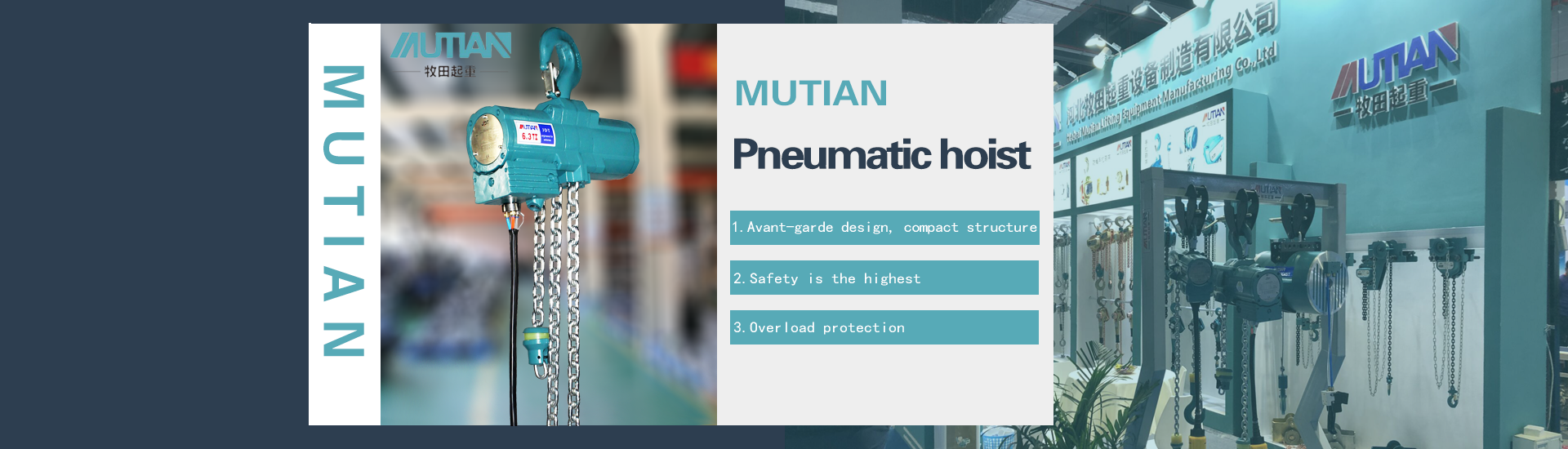
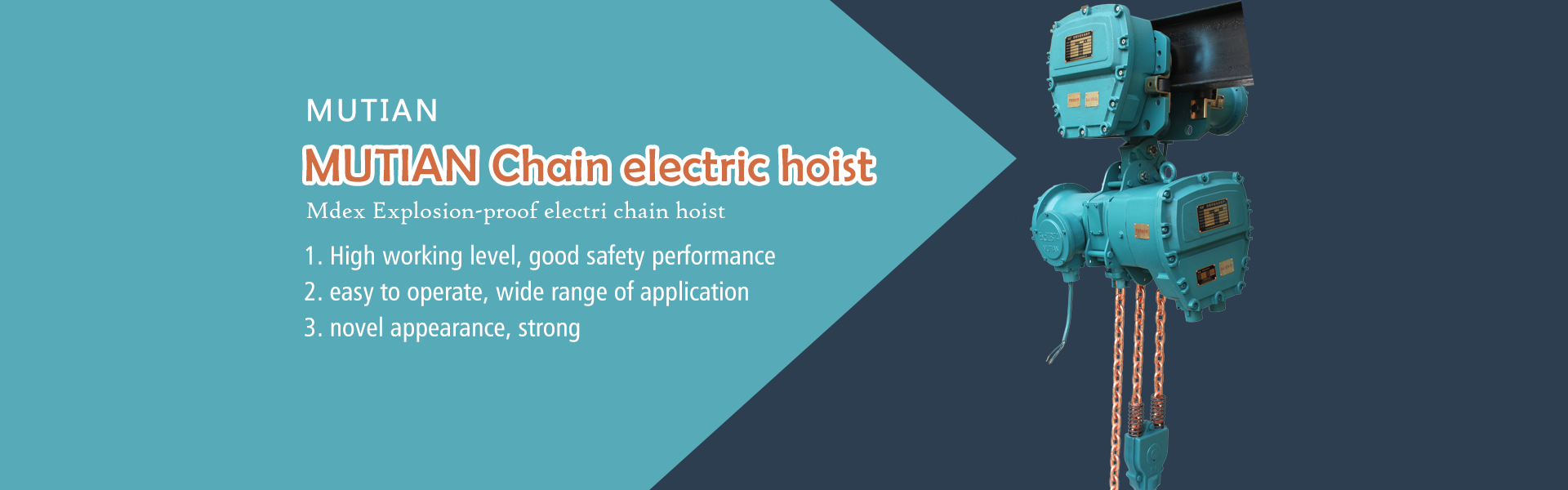
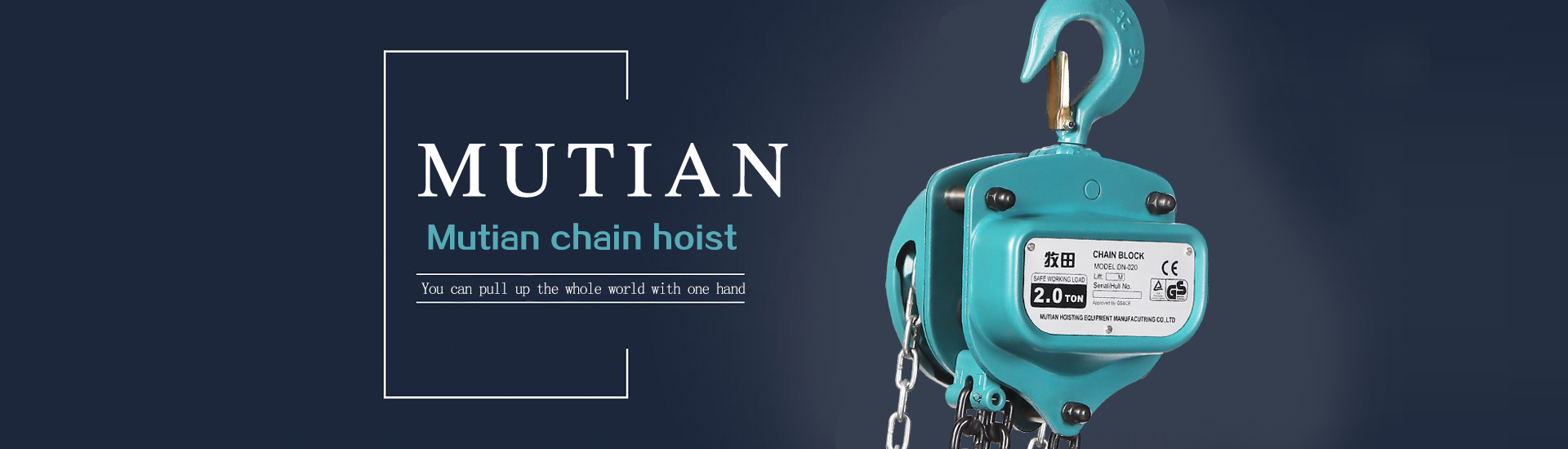
The main equipment produced by Hebei Makita: stage electric hoist, electric chian hoist, wire rope electric hoist,Hand chain hoist, lever hoist, pneumatic hoist and other lifting equipment
 phone
phone
 service
 message
 e-mail
