 中文版
中文版





releaseTime:2025-07-18 09:35:22source:Mu TiannumberOfPageViews:0
Preventing rust is crucial for maintaining the performance, safety, and longevity of forklifts, especially in environments prone to moisture, chemicals, or salt exposure. Here are the most effective rust prevention methods for forklifts:
1. Regular Cleaning and Washing
Remove Contaminants: Wash the forklift thoroughly after use, especially in wet, muddy, or corrosive environments (e.g., chemical plants, ports, or food processing facilities).
Focus on High-Risk Areas: Pay attention to the undercarriage, wheels, mast, and forks, where dirt and debris accumulate.
Use Pressure Washers: High-pressure water can dislodge stubborn grime, but avoid directing water into electrical components or bearings.
Dry Properly: After washing, dry the forklift with a clean cloth or air blower to prevent water spots and rust formation.
2. Protective Coatings and Paints
Rust-Inhibiting Primers: Apply a zinc-rich or epoxy primer before painting to create a barrier against moisture and chemicals.
High-Quality Paint: Use industrial-grade enamel or polyurethane paints that resist chipping, UV rays, and corrosion.
Powder Coating: For added durability, consider powder coating, which provides a thick, even layer that resists scratches and rust.
Touch-Up Paint: Repair scratches or chipped paint immediately to prevent exposed metal from rusting.
3. Lubrication and Greasing
Moving Parts: Regularly lubricate hinges, joints, chains, and pivot points with a high-quality grease to repel moisture and reduce friction.
Undercarriage Protection: Apply a rust-preventive lubricant (e.g., WD-40 or a dedicated undercoating spray) to the chassis, axles, and suspension components.
Fork Protection: Coat forks with a non-stick lubricant to prevent material adhesion and corrosion.
4. Use of Rust Inhibitors and Protectants
Sprays and Oils: Apply rust-inhibiting sprays (e.g., CRC 6-56, Boeshield T-9) to exposed metal surfaces, especially in hard-to-reach areas.
VCI (Vapor Corrosion Inhibitor) Products: Use VCI-infused bags, papers, or emitters to protect stored forklifts or parts from rust.
Anti-Corrosion Wax: For long-term storage, apply a thick anti-corrosion wax coating to vulnerable areas.
5. Proper Storage and Environment Control
Indoor Storage: Keep forklifts in a dry, well-ventilated warehouse or garage when not in use.
Climate Control: Use dehumidifiers or heaters in storage areas to maintain low humidity levels (below 60% RH).
Elevate Off the Ground: Store forklifts on pallets or blocks to prevent contact with damp floors.
Cover When Outdoors: If stored outside, use a waterproof, breathable cover to shield the forklift from rain and snow.
6. Material Selection and Upgrades
Stainless Steel Components: Replace vulnerable parts (e.g., forks, hinges) with stainless steel alternatives for better corrosion resistance.
Galvanized Parts: Use galvanized steel for chassis components, as the zinc coating provides long-lasting rust protection.
Plastic or Rubber Covers: Install protective covers over electrical connectors, batteries, and other sensitive areas.
7. Regular Inspections and Maintenance
Visual Checks: Inspect the forklift daily for signs of rust, paint damage, or moisture accumulation.
Corrosion Mapping: Use ultrasonic testing or other non-destructive methods to detect hidden rust in critical components.
Professional Servicing: Schedule periodic inspections by a certified technician to address rust issues before they worsen.
8. Addressing Rust Early
Remove Surface Rust: Use a wire brush, sandpaper, or grinding wheel to eliminate small rust spots before they spread.
Treat with Rust Converter: Apply a rust converter (e.g., POR-15, Rust-Oleum Rust Reformer) to chemically neutralize rust and create a paintable surface.
Reapply Coatings: After rust removal, repaint or coat the affected area to prevent recurrence.
9. Operator Training and Best Practices
Avoid Puddles and Chemicals: Train operators to avoid driving through standing water, salt, or corrosive substances.
Clean After Use: Encourage operators to wipe down the forklift after shifts, especially in humid or coastal environments.
Report Issues Early: Establish a protocol for operators to report rust or damage immediately for prompt repairs.
10. Use of Rust-Resistant Fluids
Coolant and Hydraulic Fluids: Use rust-inhibiting additives in coolant and hydraulic systems to protect internal components.
Battery Maintenance: Keep battery terminals clean and coated with dielectric grease to prevent corrosion.
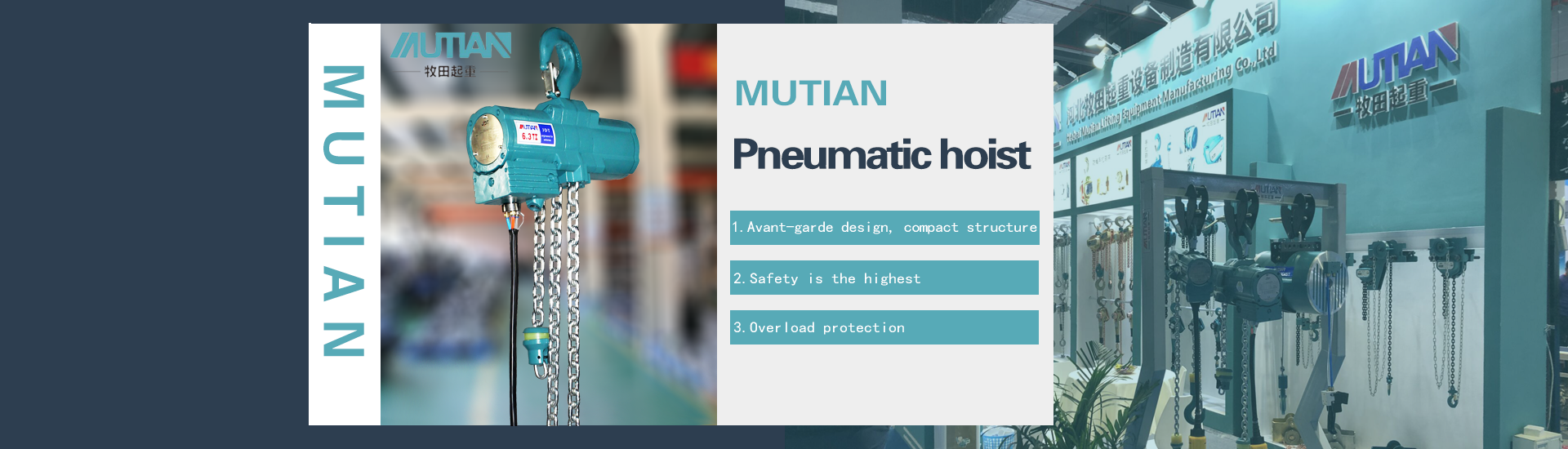
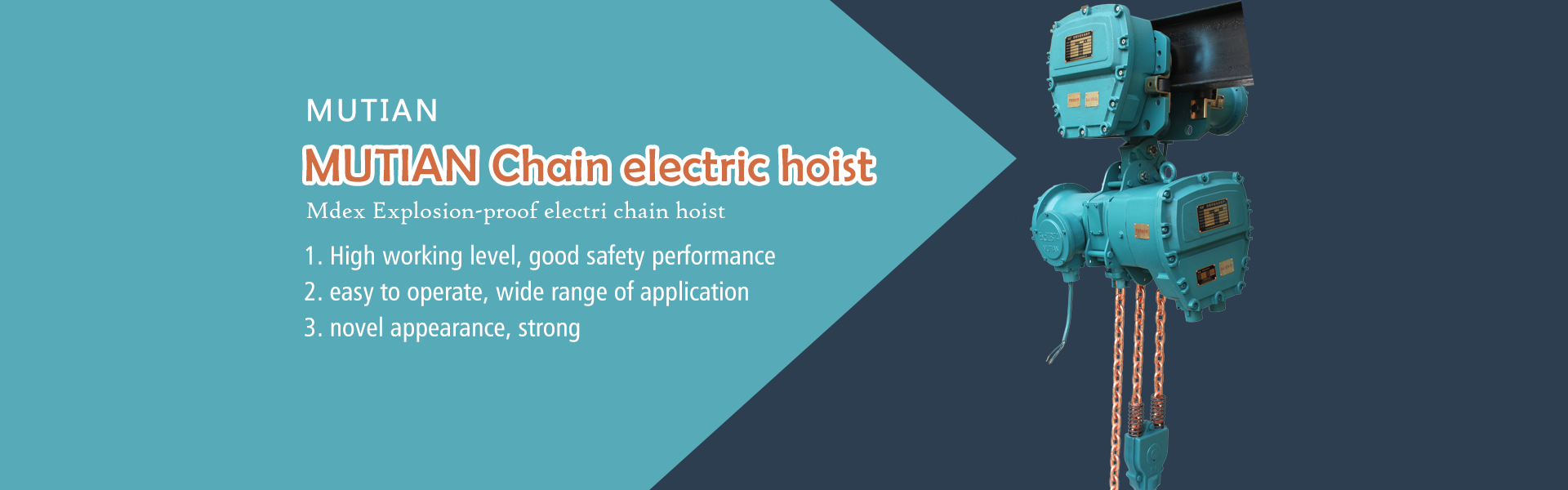
The main equipment produced by Hebei Makita: stage electric hoist, electric chian hoist, wire rope electric hoist,Hand chain hoist, lever hoist, pneumatic hoist and other lifting equipment
 phone
phone
 service
 message
 e-mail
