 中文版
中文版




releaseTime:2025-10-13 09:04:55source:Mu TiannumberOfPageViews:0
Safety issues and solutions for emulsion lifting equipment
1、 Core security issues
Fire and explosion risks
Reason: Traditional hydraulic oil is flammable and may cause explosions in gas environments such as coal mines. Although emulsions are difficult to ignite, they may still cause dangerous reactions if mixed with other chemicals or if equipment seals fail.
Case: A coal mine experienced leakage due to poor sealing of the emulsion pump, which caused local combustion when encountering high-temperature components.
Equipment malfunctions and operational risks
Common faults:
Pump malfunction: blockage of unloading valve and safety valve (mostly due to emulsion contamination).
Pipeline leakage: seal aging or improper installation.
System overpressure: Abnormal or failed safety valve setting pressure.
Operational risk:
Failure to exhaust the air before starting resulted in pipeline shaking and loud noise.
The concentration does not meet the standard (such as less than 3%), which reduces lubrication and rust prevention performance.
Environmental and Health Risks
Emulsion contamination: Metal particles, wear and tear on sealing materials, and other contaminants can contaminate the emulsion, which may clog filters or corrode equipment.
Chemical hazards: After the emulsion deteriorates, it produces odor and oil separation, causing toxic side effects on human health and the environment.
2、 Systematic solution
Optimization of Equipment Safety Design
Explosion proof structure: emulsion motor is used instead of hydraulic oil motor, and flame-retardant medium is used for key components such as walking parts and rotating parts.
Protector:
First level protection: The unloading valve group achieves automatic unloading to prevent system overpressure.
Secondary protection: The set pressure of the safety valve is slightly higher than that of the unloading valve (about 110%), and when overpressure occurs, liquid is sprayed and manual unloading is triggered.
Auxiliary protection: crankshaft chamber oil temperature protection (70 ℃ alarm, 90 ℃ shutdown), oil level protection, low liquid level anti suction protection.
Operating standards and training
Pre startup inspection:
Confirm that the emulsion concentration is between 3% and 5%, the liquid level reaches 2/3 of the box, and there is no overflow.
Check if the seals, filters, and pipeline connections are intact.
Operation monitoring:
Real time observation of pressure gauges and thermometers to ensure that the supply pressure is ≥ 30MPa and the unloading setting value is ≤ 31.5MPa.
Monitor the sound of the device and check the lubrication and sealing of the plunger.
Shutdown processing:
When abnormal sounds, odors, temperature exceeding limits, or pressure are detected, immediately stop the pump and investigate the cause.
It is strictly prohibited to adjust the operating pressure of safety valves, unloading valves and other components without authorization.
Maintenance and upkeep strategy
Regularly replace emulsion: If there is oil separation, soap separation, discoloration, odor or no emulsification, replace immediately.
Cleaning and lubrication:
Regularly clean filters and pipelines to prevent particle blockage.
Lubricate and tighten components such as crankshaft connecting rod bearings, slider compression nuts, etc.
Troubleshooting:
Unstable pressure: Check the nitrogen pressure in the accumulator and whether the air inside the pump has been completely discharged.
Running collision sound: Check if the slider compression nut and connecting rod bearing bolt are loose.
Overheating of crankcase: Check the amount and cleanliness of lubricating oil.
Emergency management measures
Accident plan: Develop emergency plans for leaks, fires, equipment failures, etc., clarify the handling process and alarm methods.
Emergency supplies: equipped with leak interceptors, oil absorbing cotton cloth, explosion-proof equipment, and other devices.
Personnel training: Regularly organize safety drills to ensure that staff are familiar with emergency operations.
3、 Industry Practice and Standards
Coal mine safety regulations:
The emulsion concentration must comply with the MT 76-2011 standard, as a low concentration can cause issues such as slow stent movement and leakage.
When the gas concentration near the motor and switch reaches 1.5%, operation is strictly prohibited.
Equipment selection suggestions:
Priority should be given to selecting emulsion lifting equipment with integrated and modular design, which facilitates underground movement and installation.
Select pump stations with built-in overload, overheating, and surge protection functions to enhance system reliability.
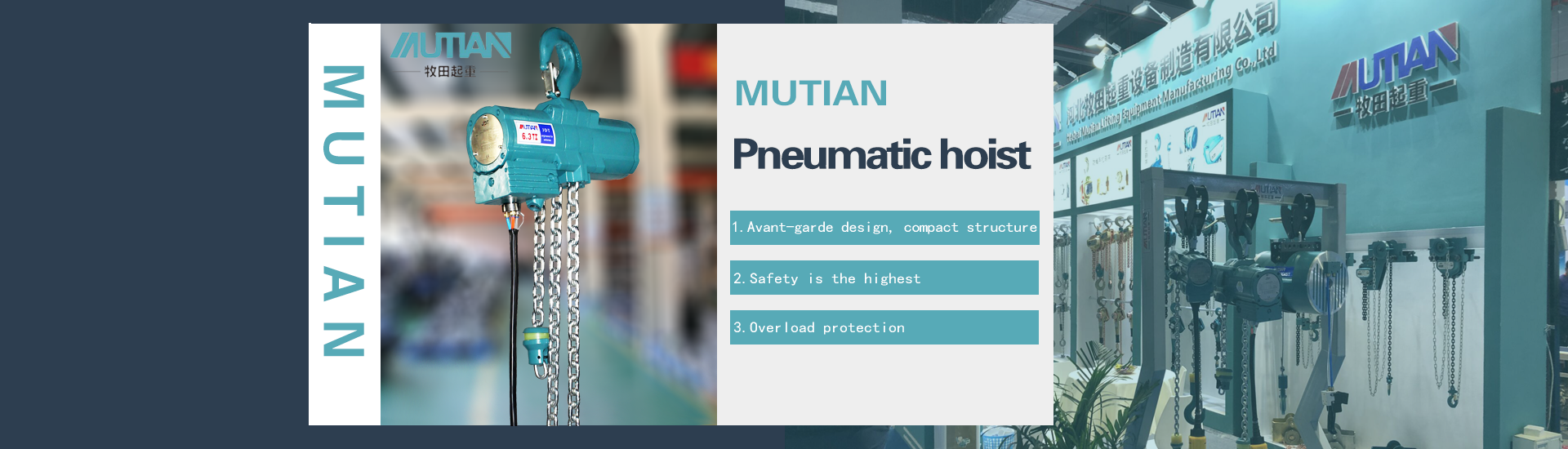
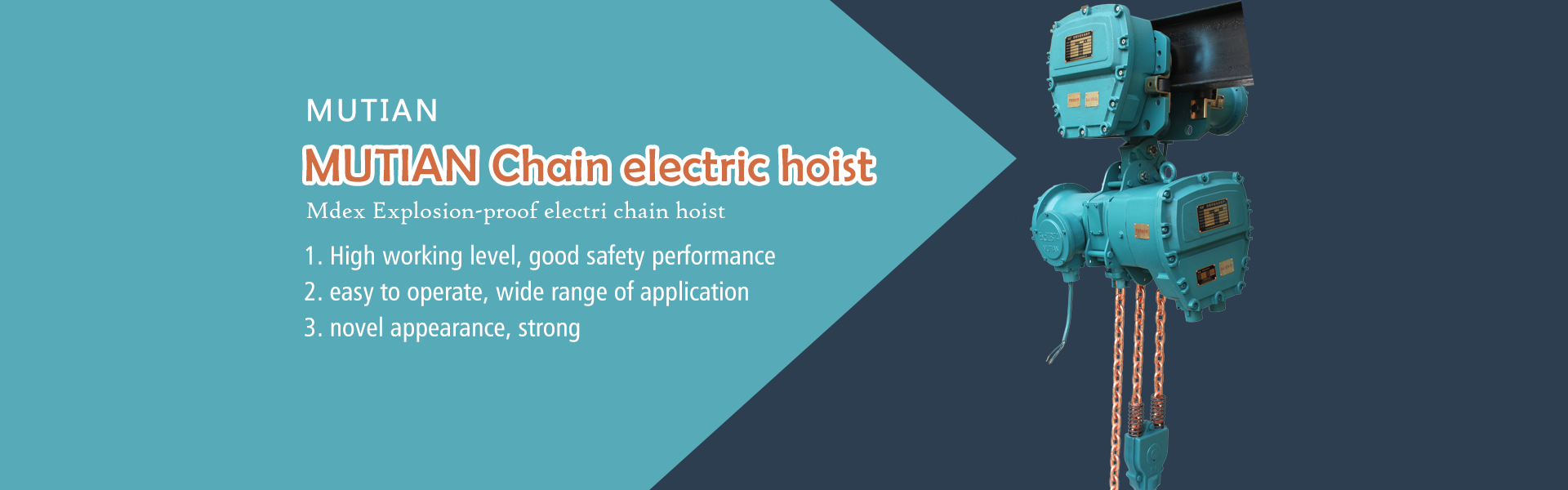
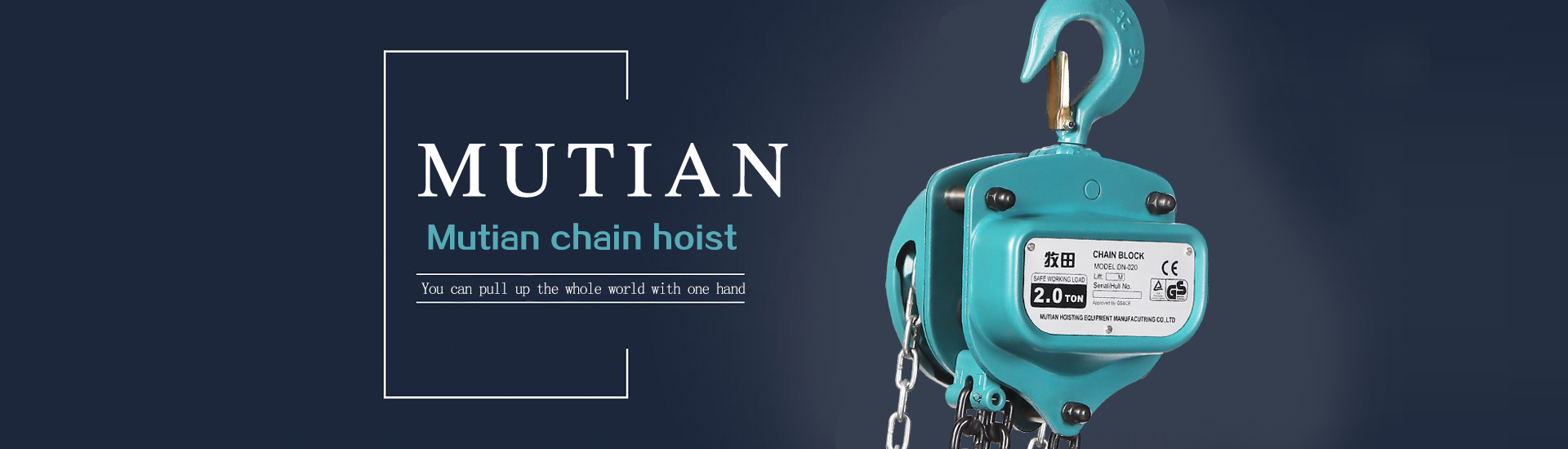
The main equipment produced by Hebei Makita: stage electric hoist, electric chian hoist, wire rope electric hoist,Hand chain hoist, lever hoist, pneumatic hoist and other lifting equipment
 phone
phone
 service
 message
 e-mail
