 中文版
中文版




releaseTime:2026-01-04 08:50:16source:Mu TiannumberOfPageViews:0
The safety issue of lever chain cranes is a core concern in industrial operations, which needs to be systematically prevented from four dimensions: equipment characteristics, operating standards, maintenance, and regulatory standards. Based on the latest industry standards and typical cases, the following outlines key security risks and scientific solutions:
1、 Core safety hazards and their causes
Overload and structural failure
Risk manifestation: Excessive lifting capacity operation leads to overturning moment exceeding the stable moment, causing rollover; Long term full load work accelerates fatigue cracking in metal structures.
Case warning: In 2016, a simple elevator of a certain industrial company was overloaded by 2 tons, causing the cargo compartment to jam the guide rail and fall sharply, resulting in one person's death from stepping on the air.
Lack or failure of safety devices
Key devices: brakes, limiters, anti fall devices, overload protectors, layer door interlocks, etc.
Failure consequences: Brake spring relaxation or brake shoe wear leading to inability to brake heavy objects; When there is no anti fall device, the steel wire rope breaks and causes free fall.
Component wear and operational violations
High incidence components: broken/twisted wire rope, cracked/deformed hook, worn pulley groove, rusted/stuck chain.
Violation of regulations: inclined pulling and hanging, unlicensed work, chaotic signal command, and operators not wearing safety helmets/belts.
Environmental and human factors
Environmental risk: Wet/high temperature environment accelerates metal corrosion; Excessive wind force affects stability; Visual obstruction leads to misoperation.
Human negligence: Failure to regularly lubricate, failure to check for loose bolts, and failure to power off and lock equipment during maintenance.
2、 Systematic solution
Strengthen the intrinsic safety of equipment
Design and manufacturing: Select equipment that meets the GB/T 20776-2023 standard, equipped with dual brakes, anti fall devices, and overload limiters; Electric hoists need to be labeled with rated parameters and registered for use.
Renovation and upgrade: Install safety monitoring systems on old equipment (such as TSG51-2023 requiring mandatory installation of metallurgical bridge cranes), and use high-strength alloy materials to reduce self weight.
Standardize operations and personnel management
Operation qualification: Operators must hold certificates and receive regular safety training (including emergency drills); Unauthorized personnel are prohibited from operating or directing.
Homework process: Strictly implement the "Ten No Lifting" principle (such as not lifting when overloaded, not lifting when signal is unclear); Confirm the fixing of lifting equipment and balance of heavy objects before lifting; Set up a warning area during homework and prohibit unrelated personnel from entering.
Refined maintenance and upkeep
Daily inspection: Check the wire rope breakage rate (≤ 10%), hook opening, brake clearance, and chain lubrication status daily; Lubricate rotating parts weekly and check the insulation of the electrical system monthly.
Regular maintenance: Check metal structure cracks (such as welds and connecting bolts) every quarter; Conduct comprehensive testing every year, including non-destructive testing and load testing; Replace immediately when the scrap standard is reached (such as wire rope breakage or hook cracking).
Optimize work environment and emergency response
Environmental management: Ensure that the work area has a flat ground and sufficient lighting; Stop outdoor work during strong winds/thunderstorms; Rust proof lubricating oil is used in humid environments.
Emergency measures: Equip with first aid kits and fire extinguishers; Develop emergency plans (such as handling broken ropes and rescuing trapped personnel); Regularly practice the accident response process.
3、 Regulatory and standard basis
National standards: GB 6067.1-2010 "Safety Regulations for Cranes" and TSG 51-2023 "Technical Regulations for Safety of Cranes", which specify the requirements for the entire process of equipment design, installation, use, and inspection.
Industry standards: According to QYResearch data, the global manual lever crane market is expected to reach $X billion in 2023 and $X billion by 2030, with a compound annual growth rate of approximately X%. The Asia Pacific region needs to strengthen the implementation of safety standards due to significant growth in manufacturing demand.
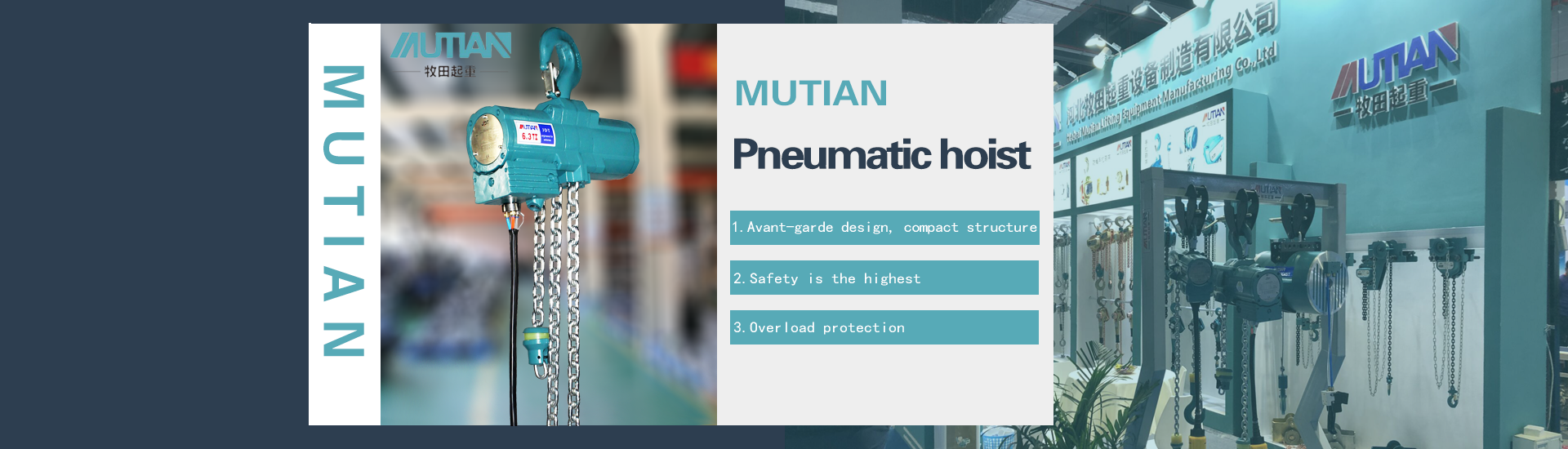
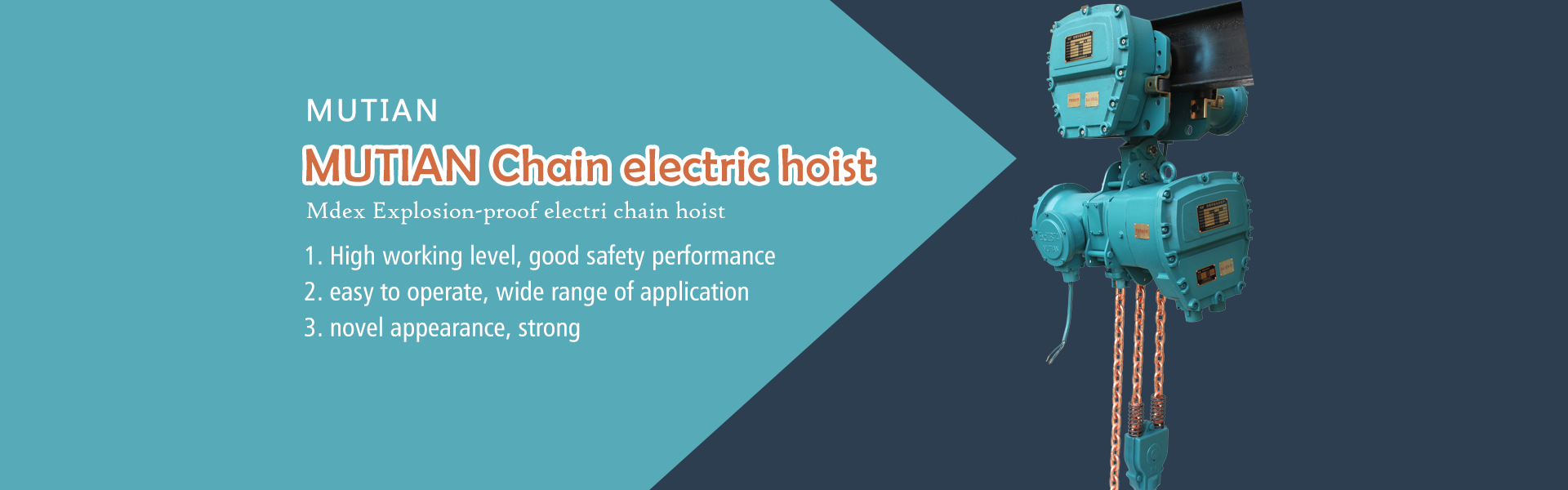
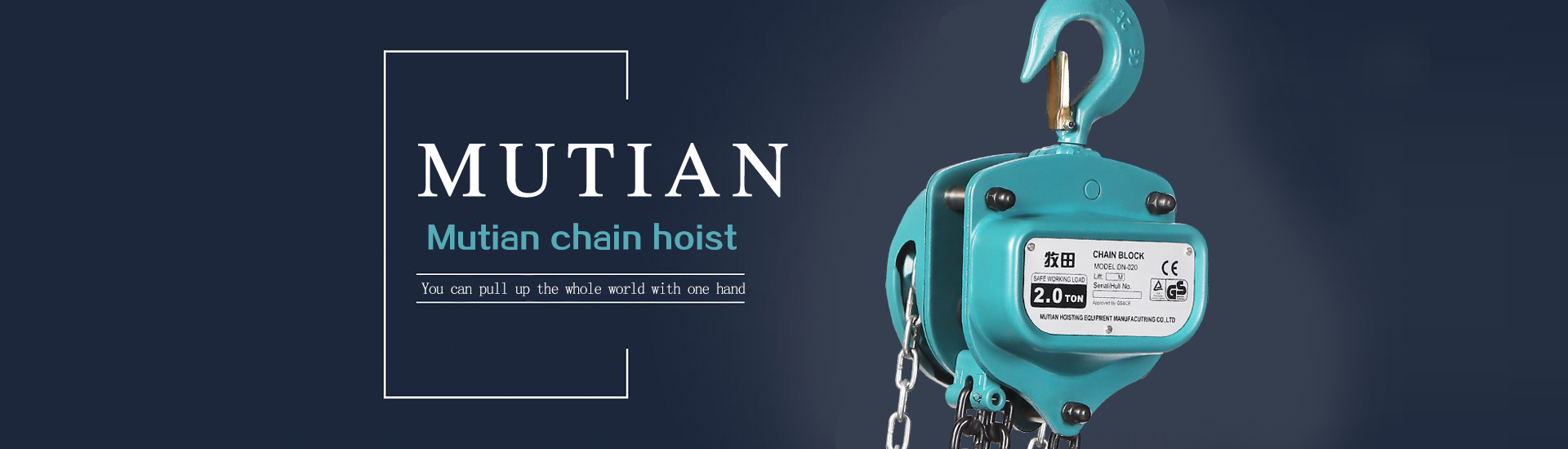
The main equipment produced by Hebei Makita: stage electric hoist, electric chian hoist, wire rope electric hoist,Hand chain hoist, lever hoist, pneumatic hoist and other lifting equipment
 phone
phone
 service
 message
 e-mail
