 中文版
中文版





releaseTime:2025-08-08 09:58:06source:Mu TiannumberOfPageViews:0
To address the deficiencies in the support points of manual hydraulic forklifts, such as insufficient stability, uneven force distribution, small support area, and design defects, the following solutions can be used for optimization:
1、 Lack of stability issue
Defect description: Manual hydraulic forklifts may tip over when carrying goods, especially when turning or going uphill, due to the high center of gravity or uneven distribution of the goods.
Solution:
Add support points: Add support wheel rod mechanisms on both sides of the cargo pallet, using universal wheels to achieve four point support. This design can prevent forklifts from tipping due to inertia during turns, while also avoiding lateral tipping caused by uneven distribution of cargo weight.
Adjusting the support position: By optimizing the layout of support points, the forklift can be safely used on sloping ground and ramps when carrying goods with a high center of gravity, preventing it from tipping backwards.
Implementation effect:
After adding support points, the stability of the forklift is significantly improved, which can effectively prevent tipping accidents from occurring.
After adjusting the support position, the forklift's ability to adapt to different terrains has been enhanced, improving operational safety.
2、 Uneven force distribution problem
Defect description: When carrying goods, if the two forks of a manual hydraulic forklift are subjected to uneven force, it may cause deformation or damage to the fork arms.
Solution:
Optimize the design of the fork arm: Use high-strength materials to manufacture the fork arm, improving its load-bearing capacity and deformation resistance.
Adjusting the distance between forks: Design a mechanism that can adjust the distance between forks, so that forklifts can adjust the distance between forks according to the size of the goods, ensuring that the two forks are evenly stressed.
Add balance device: Install a balance device, such as a spring or hydraulic cylinder, under the fork arm to automatically adjust the force situation of the two forks and maintain balance.
Implementation effect:
After optimizing the design of the fork arm, the load-bearing capacity and deformation resistance of the fork arm have been significantly improved, extending its service life.
After adjusting the spacing between forks and adding balancing devices, forklifts can better adapt to goods of different sizes, improving operational efficiency and safety.
3、 Small support area issue
Defect description: The support area of manual hydraulic forklifts is relatively small, which may cause excessive ground pressure when carrying heavy objects, resulting in ground damage or forklift tipping.
Solution:
Add support plate: Install a deployable support plate under the fork to increase the support area and reduce ground pressure.
Optimize tire design: Use wide tread and low-pressure tires to increase the contact area with the ground and improve the stability of forklifts.
Implementation effect:
After adding the support plate, the support area of the forklift significantly increases, reducing ground pressure and minimizing the risk of ground damage.
After optimizing the tire design, the stability of the forklift has been improved, especially when working on soft or uneven ground.
4、 Design defect issues
Defect description: Some manual hydraulic forklifts have design flaws, such as unreasonable support point positions and insufficient structural strength.
Solution:
Redesign the support structure: Based on the actual usage needs and load-bearing capacity of the forklift, redesign the support structure to ensure that the support points are located reasonably and the structural strength is sufficient.
Adopting modular design: The support part of the forklift is designed as a modular structure, making it easy to replace and upgrade according to actual needs.
Implementation effect:
After redesigning the support structure, the support performance of the forklift has been significantly improved, meeting the needs of different operating scenarios.
After adopting modular design, the maintenance and upgrade of forklifts have become more convenient and efficient, reducing the cost of use.
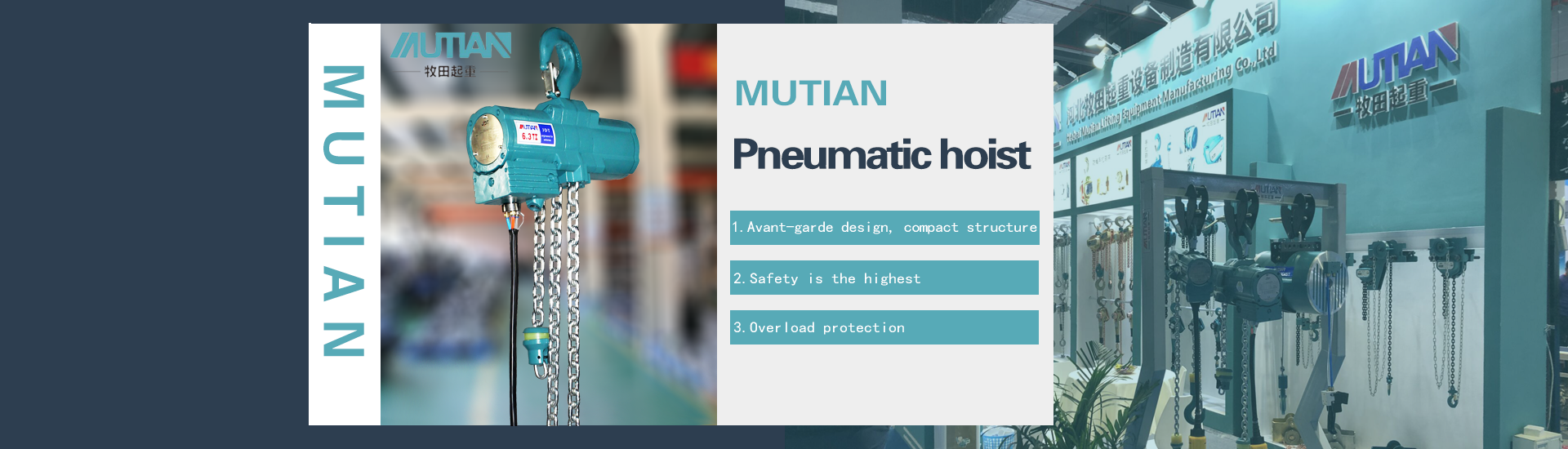
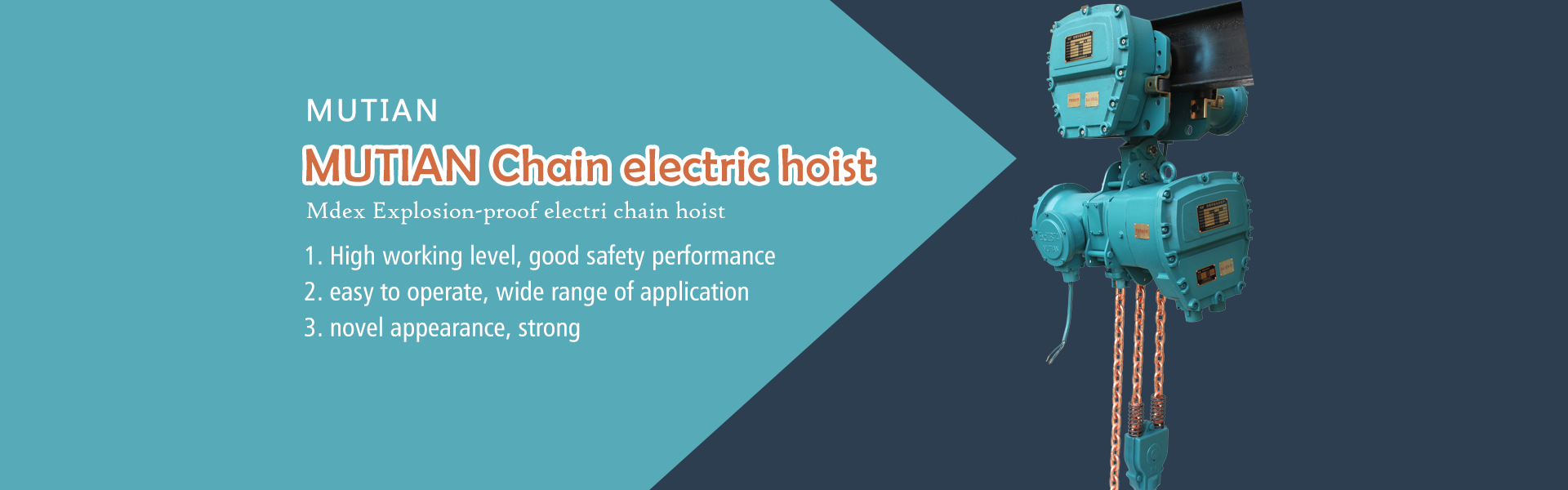
The main equipment produced by Hebei Makita: stage electric hoist, electric chian hoist, wire rope electric hoist,Hand chain hoist, lever hoist, pneumatic hoist and other lifting equipment
 phone
phone
 service
 message
 e-mail
