 中文版
中文版




releaseTime:2025-08-21 09:45:48source:Mu TiannumberOfPageViews:0
Manual forklifts, including manual pallet jacks (pump trucks) and hand-operated stackers, offer several advantages over motorized alternatives, particularly in specific operational contexts. Here are their key benefits:
1. Cost-Effectiveness
Lower Initial Investment: Manual forklifts are significantly cheaper than electric or diesel-powered models, making them ideal for startups or businesses with limited capital.
Reduced Operating Costs: No fuel, batteries, or charging infrastructure is required, eliminating ongoing expenses like electricity or engine maintenance.
Minimal Maintenance: Simple mechanical design (e.g., hydraulic pumps, wheels) reduces repair complexity and downtime.
2. Ease of Use and Training
Intuitive Operation: Controls are straightforward (e.g., pump handle for lifting, steering tiller for maneuvering), requiring minimal training for operators.
No Licensing Requirements: Unlike motorized forklifts, manual models often don’t require formal certification, lowering compliance costs.
Quick Adaptation: New employees can learn to operate them safely within hours, improving workforce flexibility.
3. Maneuverability and Space Efficiency
Compact Design: Smaller footprint allows navigation in tight spaces (e.g., narrow aisles, crowded warehouses) where larger forklifts cannot fit.
360° Steering: Many manual models (e.g., pallet jacks) feature swivel wheels for effortless turning, enhancing agility in confined areas.
Lightweight Construction: Easier to push/pull, reducing strain during short-distance transport.
4. Environmental and Safety Benefits
Zero Emissions: No fuel combustion or battery charging means no air pollution or greenhouse gas emissions, making them eco-friendly for indoor use.
Quiet Operation: Ideal for noise-sensitive environments (e.g., retail stores, hospitals, libraries).
Reduced Fire Risk: No flammable fuels or high-voltage batteries lower the risk of accidents in hazardous settings.
5. Versatility and Adaptability
Light to Medium Load Handling: Suitable for tasks like loading/unloading trucks, moving pallets, or stacking goods up to 2-3 tons (depending on model).
Portability: Can be easily transported between sites or stored vertically when not in use, saving space.
Customizable Attachments: Some models support forks, platforms, or clamps for handling diverse cargo types (e.g., drums, boxes).
6. Durability and Reliability
Robust Construction: Built with heavy-duty steel frames and puncture-resistant tires, capable of withstanding rough handling.
Long Lifespan: With proper maintenance, manual forklifts can last decades, offering a high return on investment.
No Overheating Issues: Unlike motorized forklifts, they can operate continuously without risk of engine overheating.
7. Ideal for Specific Applications
Small Warehouses/Retail: Perfect for stocking shelves, rearranging inventory, or transporting goods within a store.
Cold Storage: No electronic components mean reliable performance in freezers or refrigerated areas.
Outdoor Use (Light Duty): Some models with pneumatic tires can handle uneven terrain like gravel or grass (though heavy-duty tasks are better suited for motorized forklifts).
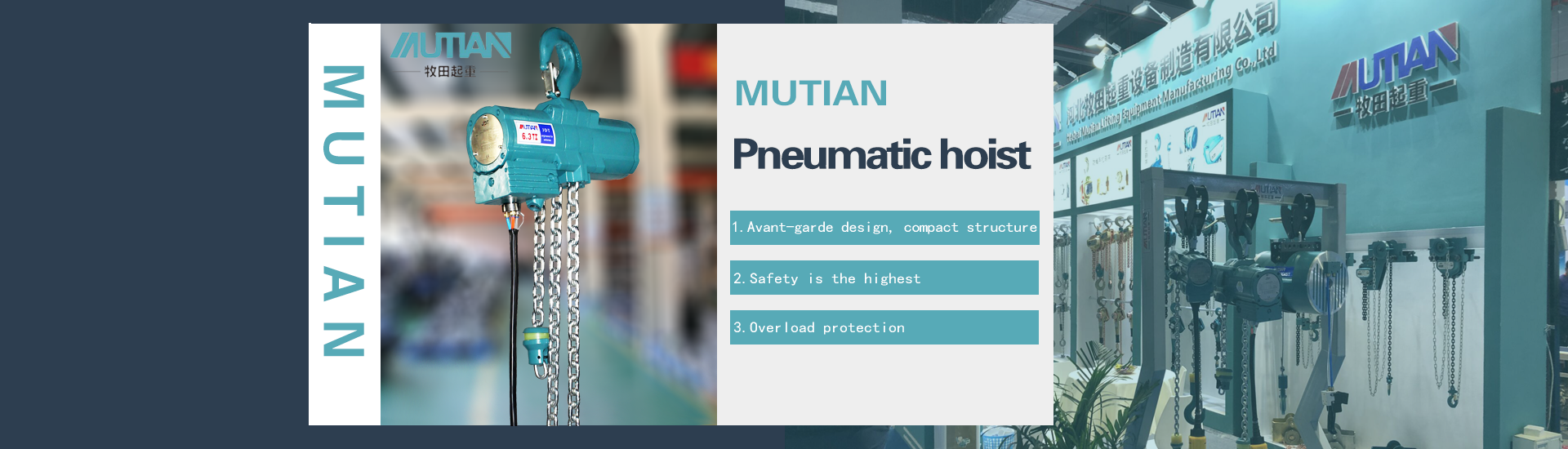
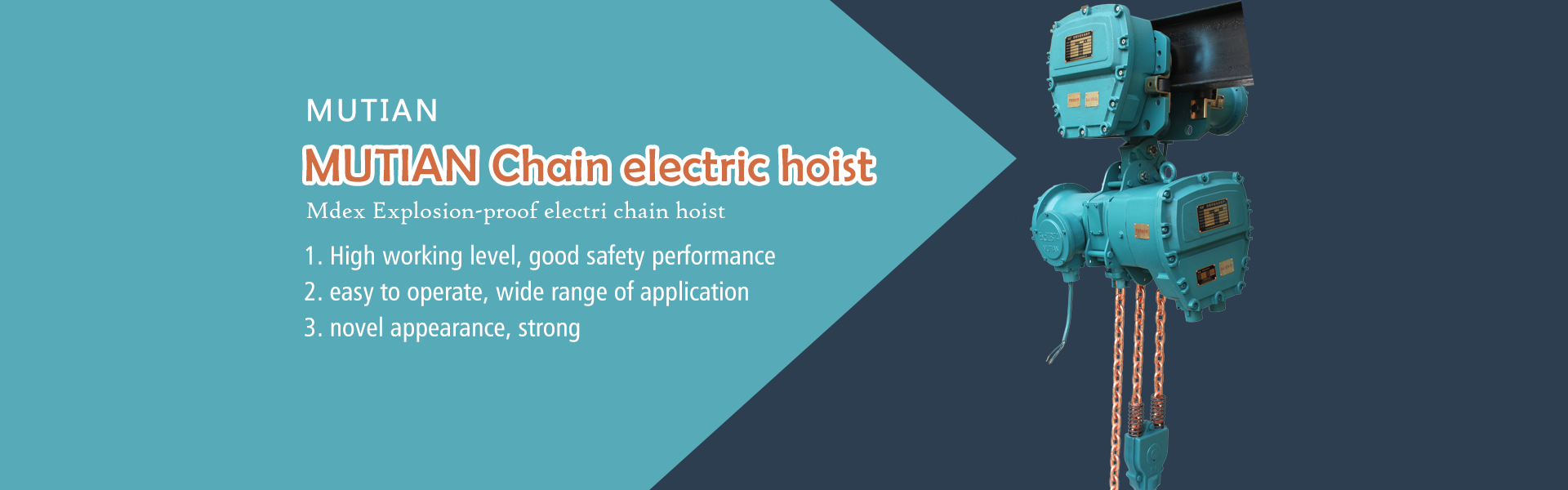
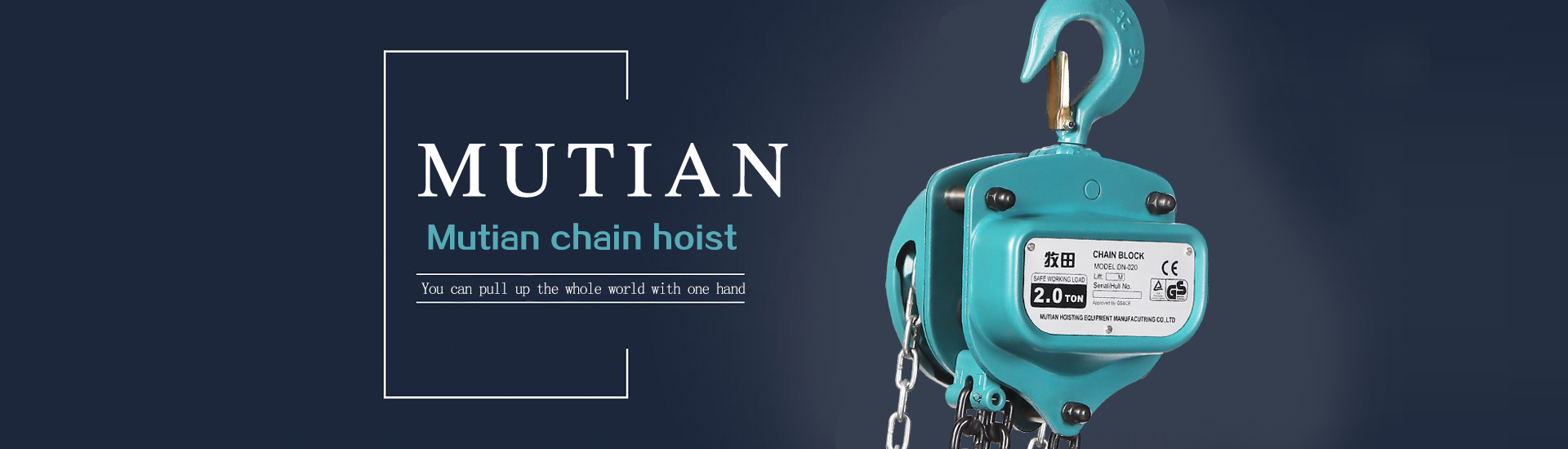
The main equipment produced by Hebei Makita: stage electric hoist, electric chian hoist, wire rope electric hoist,Hand chain hoist, lever hoist, pneumatic hoist and other lifting equipment
 phone
phone
 service
 message
 e-mail
