 中文版
中文版





releaseTime:2025-07-19 09:41:58source:Mu TiannumberOfPageViews:0
The application planning of forklifts can be expanded from four core directions: operational norms, warehouse layout, maintenance and care, and policy adaptation. The specific planning is as follows:
1. Operational standard planning
Personnel qualification management
Operators must hold a nationally recognized forklift operation qualification certificate, and new employees or personnel who have transferred to new positions must pass internal corporate training and assessment before taking up their posts.
Regularly organize safety training and refresher training, strengthen the study of safety regulations, operational skills, and accident cases, and enhance operational skills and risk awareness.
Standardized operation process
Pre-operation inspection: Wear a helmet, work clothes, and safety shoes; inspect the appearance of the vehicle body, fender, seat belt, tire wear, oil leakage, and water leakage; confirm that the instruments, lights, horn, braking system, steering system, and hydraulic system are functioning properly.
Operation specifications: Before starting, confirm the surrounding safety and fasten the seat belt; the height of the forks should be about 20cm above the ground, with the mast tilted backward; sudden starting and braking are prohibited, and the speed limit within the factory area is 10km/h, with a speed limit of 5km/h on curves; when loading goods and the line of sight is obstructed, the vehicle should be driven in reverse or under the command of a specially-assigned person.
Post-operation management: Check all parts for oil leakage, cracks, and damage; inject grease and lubricate the mast; lower the forks to the ground, remove the key, and tighten the handbrake.
II. Warehouse layout planning
Channel Designing
Main aisle width: It is set according to the type of forklift. For example, a seated counterbalanced forklift requires approximately 13 feet (about 4 meters), a narrow aisle standing counterbalanced forklift requires approximately 11 feet (about 3.4 meters), and a three-way VNA ultra-narrow aisle forklift requires approximately 6 feet (about 1.8 meters).
Channel type: Distinguish between one-way and two-way channels. Set up two-way channels in high-flow areas, and adopt one-way channels in low-flow areas to enhance traffic efficiency.
Shelf layout optimization
Selection of shelf type: Drive-in racks or shuttle racks are adopted to increase storage density and reduce forklift travel distance; for goods with high turnover rates, flow racks are used for convenient and rapid retrieval.
Rack height and spacing: The height of the racks should be designed based on the lifting capacity of the forklift and the height of the warehouse ceiling, ensuring that the spacing between racks meets the safe operation requirements of the forklift and avoids space waste.
Goods zoning and logistics nodes
Storage of goods by zones: Divide the area according to the type of goods and turnover rate, with goods with a high turnover rate placed near the entrance and exit; store goods by category to facilitate quick location.
Establish a quick picking area: Centralize the storage of small, scattered, and frequently picked goods to facilitate forklifts in completing multiple picking tasks at once.
Optimize the loading and unloading platform: Ensure that the quantity and size meet the operational requirements of forklifts to reduce waiting time; install equipment such as lifting platforms and conveyor belts to improve loading and unloading efficiency.
III. Maintenance Planning
Graded maintenance system
Daily maintenance: It should be carried out after each shift, including cleaning dirt, checking the fastening condition, leakage condition, tire pressure, brake fluid and water level, engine oil level and hydraulic oil, etc.
Level 1 maintenance: It should be carried out after the engine has operated for a cumulative total of 150 hours. This includes cleaning the air filter, checking the reliability of the steering gear, and adjusting the free play of the brake pedal.
Level 2 maintenance: It should be carried out after the engine has operated for a cumulative total of 450 hours. This includes cleaning the hydraulic oil tank, torque converter, and transmission, dismantling and inspecting the main reducer and differential, and adjusting the axial clearance of the bearing, among other tasks.
Preventive maintenance strategy
Regularly replace wear parts: such as tires, brake pads, hydraulic hoses, etc., and establish replacement cycles based on usage frequency and wear conditions.
Lubrication management: Regularly lubricate components such as chains, bearings, and steering gears to reduce wear and extend their service life.
Electrical system inspection: Regularly check the battery electrolyte level and wiring connections to prevent short circuits or poor contact.
IV. Policy and Trend Adaptation Planning
Promotion of new energy forklifts
In response to the national "dual carbon" goals, we will gradually phase out fuel-powered forklifts and focus on developing new energy products such as electric forklifts and hydrogen fuel cell forklifts, in order to reduce emissions and operating costs.
Intelligent upgrade
Introduce intelligent equipment such as unmanned forklifts and forklift-type mobile robots, and combine with industrial Internet technology to achieve digital management, thereby enhancing operational safety and efficiency.
Adaptation of regionalization policy
Adjust equipment configuration according to local policies. For example, provinces such as Beijing have eliminated fuel-powered forklifts, while provinces such as Zhejiang have prioritized the development of products such as intelligent forklifts and compound AGVs.
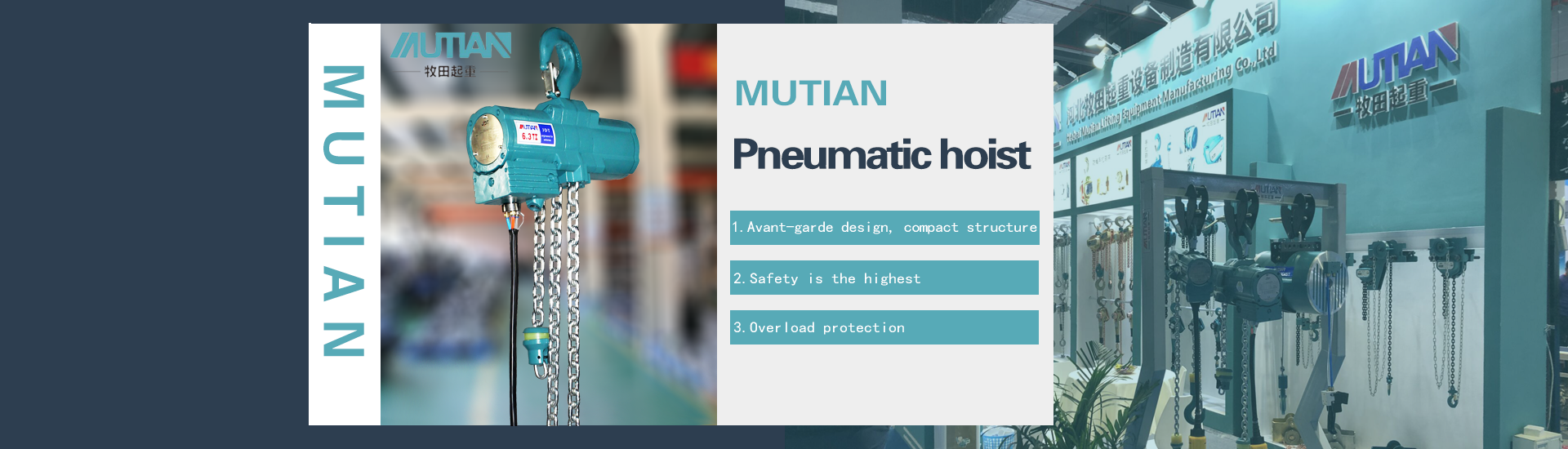
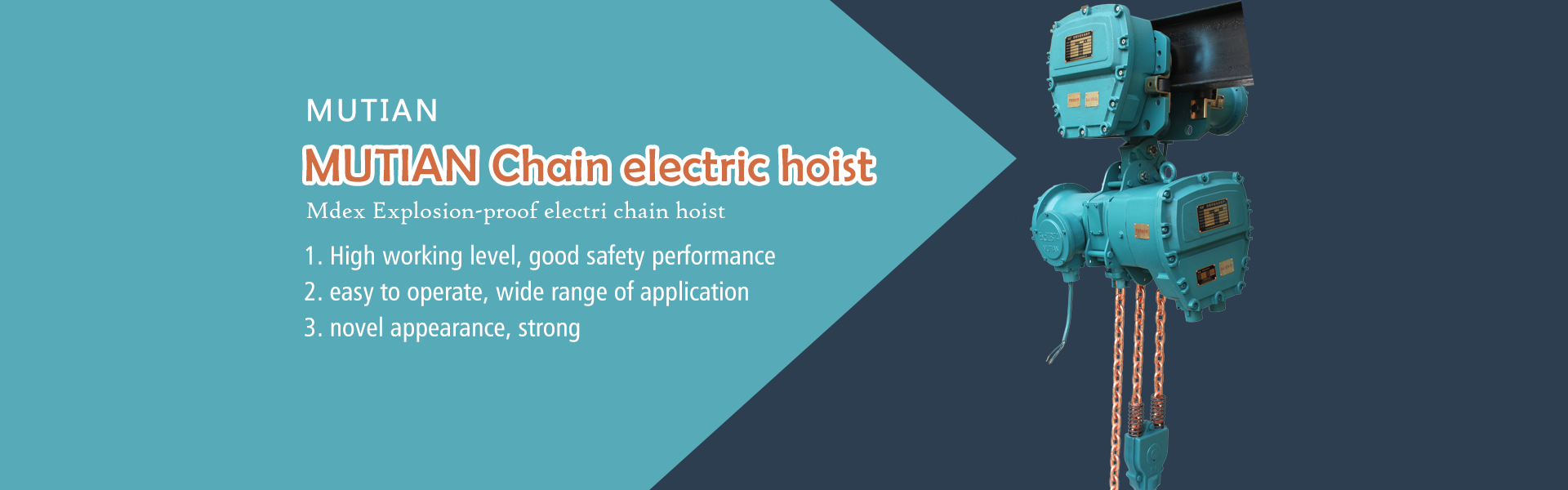
The main equipment produced by Hebei Makita: stage electric hoist, electric chian hoist, wire rope electric hoist,Hand chain hoist, lever hoist, pneumatic hoist and other lifting equipment
 phone
phone
 service
 message
 e-mail
