 中文版
中文版





releaseTime:2025-11-26 08:52:31source:Mu TiannumberOfPageViews:0
The applicable operation scheme for electric hoists is as follows:
1、 Preparation plan before use
Equipment inspection
Mechanical components: Check whether key components such as wire ropes, hooks, pulleys, and brakes are intact, without wear, cracks, or deformation.
Electrical system: Confirm that the power cord is firmly connected and undamaged, the control buttons are sensitive, the indicator lights are normal, and the equipment is reliably grounded (grounding resistance ≤ 4 Ω).
No load test run: Start the equipment for no-load operation, observe whether the lifting, lowering, and running mechanisms operate smoothly, test the braking effect of the brake (the load should stop reliably after power failure), and check whether the limit device triggers normally.
Environmental Assessment
Ensure that the work environment meets the requirements, such as no severe weather conditions such as rain, snow, strong winds (wind force ≥ 6), etc; Equipment protection needs to be strengthened in high temperature, humidity, dust, and corrosive environments.
Operator Qualification
Operators must hold a Special Equipment Operator Certificate and receive specialized training on equipment operation, safety protection, etc. They should be familiar with equipment performance and emergency response procedures.
2、 Homework operation plan
Load limit
Strictly adhere to the rated lifting capacity of the equipment and prohibit overloading (including illegal operations such as diagonal pulling, lifting, pulling, burying, etc.).
When lifting, it is necessary to ensure that the load is stable, avoid shaking and twisting, and prevent uneven stress on the steel wire rope from causing breakage.
operating procedure
Before lifting: Confirm that the lifting point is reliable and the lifting signal is clear; First, perform a "jog" test lift, pause when the load is 10-20cm off the ground, check the load balance status, and confirm that there are no errors before officially lifting.
During operation: Maintain a safe distance from obstacles, prohibit emergency stop and start, and avoid equipment impact overload; The operating speed should be adjusted according to the load weight to avoid overspeeding.
When descending: If the brake fails or the load slips, it is strictly prohibited to stop the vehicle by cutting off the power. The "descend" button should be continuously pressed to lower the load to the ground at normal speed.
Environmental adaptability operation
Severe weather: No work is allowed in rainy, snowy, or strong wind weather; Strengthen equipment heat dissipation in high temperature environments, and prevent electrical short circuits in humid environments.
Special environment: After working in a dusty environment, it is necessary to clean the surface of the equipment in a timely manner; Metal components require anti-corrosion treatment in corrosive environments.
3、 Maintenance plan
routine maintenance
Cleaning and lubrication: After operation, remove dust and oil stains from the surface of the equipment, check the lubrication status of the steel wire rope, and promptly replenish special lubricants.
Fastener inspection: Regularly check whether the connecting bolts and nuts are loose, especially the key parts of the lifting and operating mechanism.
regular maintenance
Monthly inspection: Test the sensitivity of the limiter, check whether the wire rope end is firmly fixed, and monitor the temperature rise of the motor (the temperature during operation does not exceed 40 ℃ of the ambient temperature).
Quarterly maintenance: Disassemble the reducer to clean oil stains and replace lubricating oil; Check the wear of gears and bearings, and replace them if necessary; Check the wear level of the pulley and replace it if it exceeds the limit.
Annual maintenance: Conduct a comprehensive inspection of the electrical system, replace aging cables and contactor contacts; Perform non-destructive testing on metal structures such as hooks and pulley shafts, and perform anti-corrosion treatment if necessary.
4、 Safety operation standards
Personnel protection
Wear a safety helmet and non slip shoes during homework; When lifting sharp, high-temperature or corrosive objects, protective gloves and goggles should be equipped.
Alert and Command
Set up a warning area during lifting operations and prohibit unrelated personnel from entering; When multiple people work together, it is necessary to clarify command signals (such as gestures and whistle sounds) to ensure clear instructions and unified movements.
Emergency shutdown
If any abnormalities such as wire rope breakage exceeding the standard, brake failure, or load tilting are found during homework, immediately stop the machine for inspection, and it is strictly prohibited to work with faults; If the load is suspended in mid air, warning signs should be set up and the operation should be resumed after the fault is resolved.
5、 Emergency response plan
Emergency response for load falling
Immediately stop the machine and set up a warning to prohibit personnel from approaching suspended loads; If the load cannot fall on its own, contact professionals to use auxiliary devices such as spare hoists and jacks to transfer the load, repair equipment failures, and then resume operations.
Emergency response to electrical faults
In case of electrical faults such as control failure or motor failure, check whether the fuse is blown, whether the button contacts are oxidized, and whether the contactor coil is burnt out. After troubleshooting, restart the equipment.
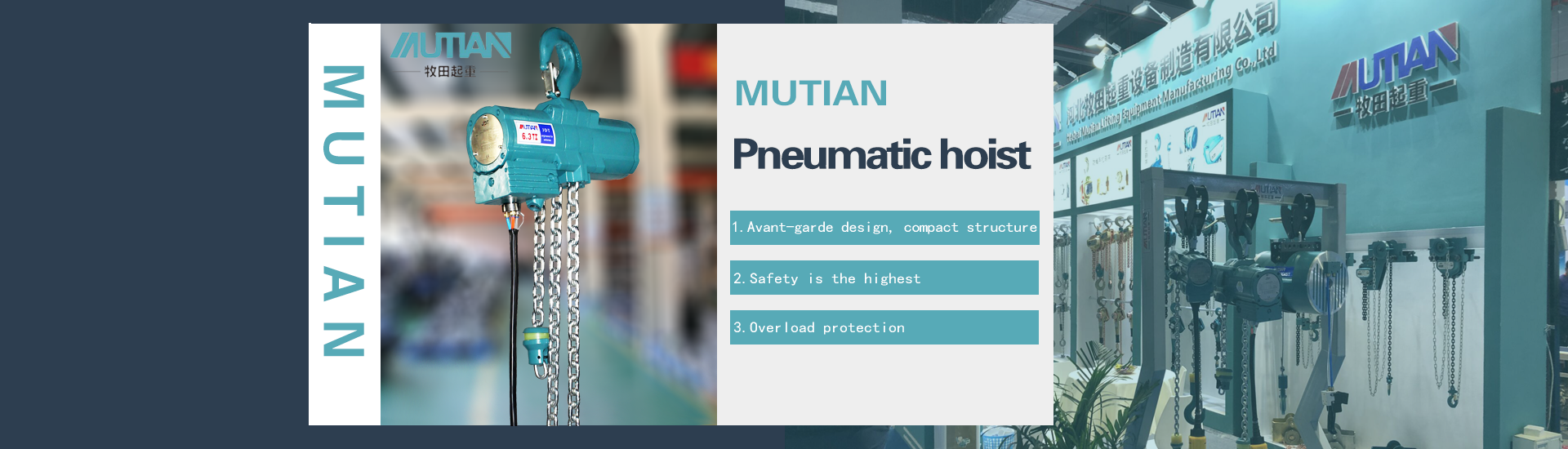
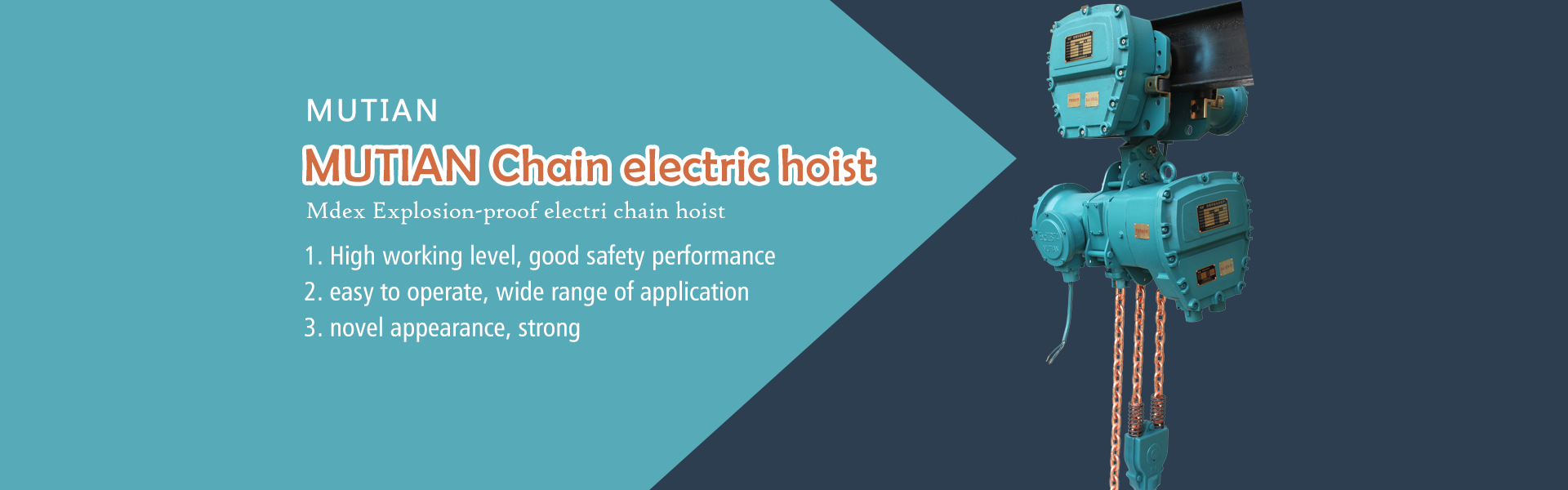
The main equipment produced by Hebei Makita: stage electric hoist, electric chian hoist, wire rope electric hoist,Hand chain hoist, lever hoist, pneumatic hoist and other lifting equipment
 phone
phone
 service
 message
 e-mail
