 中文版
中文版




releaseTime:2025-08-30 09:59:00source:Mu TiannumberOfPageViews:0
Daily operations of hydraulic forklifts are influenced by a range of factors that can impact performance, safety, and longevity. These factors can be broadly categorized into environmental, operational, maintenance-related, and human-related aspects. Here’s a detailed breakdown:
1. Environmental Factors
Temperature Extremes
Cold Weather:
Hydraulic Fluid Thickening: Low temperatures can cause hydraulic fluid to become viscous, reducing flow rate and slowing system response. This may lead to sluggish lifting or tilting actions.
Battery Performance (Electric Models): Cold reduces battery efficiency, shortening runtime and requiring more frequent charging.
Tire Hardening: Rubber tires may stiffen in cold conditions, reducing traction on smooth floors and increasing the risk of slippage.
Hot Weather:
Hydraulic Fluid Overheating: High temperatures can cause fluid to thin, reducing lubrication and increasing wear on components like pumps and valves.
Battery Degradation (Electric Models): Excessive heat accelerates battery aging, reducing lifespan and capacity.
Operator Fatigue: Hot environments can lead to dehydration or heat exhaustion, impairing judgment and reaction time.
Humidity and Moisture
Corrosion Risk: High humidity can cause rust on metal parts (e.g., forks, mast, chassis), weakening structural integrity over time.
Condensation in Hydraulic System: Moisture in the air can condense inside hydraulic reservoirs or hoses, leading to fluid contamination and component failure.
Dust and Debris
Clogged Filters: Dust can clog hydraulic filters, restricting fluid flow and reducing system efficiency.
Abrasive Wear: Particles in the air can accelerate wear on seals, pistons, and other moving parts, shortening component lifespan.
Floor Conditions
Uneven Surfaces: Potholes, cracks, or slopes can destabilize the forklift, increasing the risk of tipping, especially when carrying heavy loads.
Slippery Floors: Oil, water, or debris on the floor can reduce traction, making steering or braking difficult.
2. Operational Factors
Load Handling
Overloading: Exceeding the forklift’s rated capacity strains the hydraulic system, leading to potential failure of cylinders, hoses, or the mast.
Unbalanced Loads: Off-center or unevenly distributed loads can cause the forklift to tip forward or sideways.
Rapid Movements: Sudden acceleration, braking, or tilting can destabilize the load or damage the hydraulic system due to pressure spikes.
Usage Intensity
Continuous Operation: Prolonged use without breaks can overheat the hydraulic system or battery (for electric models), reducing efficiency and increasing wear.
High-Cycle Applications: Frequent lifting and lowering cycles (e.g., in fast-paced warehouses) accelerate component fatigue, particularly in seals and valves.
Maneuvering Practices
Sharp Turns: Turning too quickly, especially with a raised load, can shift the center of gravity and cause tipping.
Driving on Inclines: Operating on slopes without proper techniques (e.g., keeping the load uphill) increases instability risks.
3. Maintenance-Related Factors
Hydraulic System Care
Fluid Level and Quality: Low or contaminated hydraulic fluid can cause erratic operation, leaks, or component failure.
Leaks: Even minor leaks can lead to pressure loss, reduced lifting capacity, and potential environmental hazards (e.g., oil spills).
Filter Maintenance: Dirty or clogged filters restrict fluid flow, forcing the pump to work harder and increasing the risk of overheating.
Tire Condition
Underinflation: Reduces load-bearing capacity, increases fuel consumption (for IC models), and causes uneven wear.
Worn Treads: Reduces traction, making steering and braking less effective, especially on wet or dusty floors.
Battery Health (Electric Models)
Charge Level: Operating on a low charge can strain the battery and reduce performance.
Overcharging: Excessive charging can damage battery cells, shortening lifespan.
Corrosion: Dirty or corroded terminals can disrupt power flow, leading to intermittent operation.
Lubrication
Insufficient Lubrication: Moving parts (e.g., chains, pivots, bearings) that lack proper lubrication experience increased friction, leading to premature wear or seizure.
4. Human-Related Factors
Operator Skill and Training
Inexperienced Operators: Lack of training can lead to improper load handling, unsafe maneuvering, or failure to recognize warning signs (e.g., unusual noises, leaks).
Fatigue: Tired operators may overlook safety protocols or make errors in judgment, increasing accident risks.
Compliance with Safety Protocols
Ignoring Weight Limits: Disregarding rated capacity can cause equipment failure or injuries.
Skipping Pre-Use Inspections: Failing to check fluid levels, brakes, or tires daily can lead to unexpected breakdowns or accidents.
Not Wearing PPE: Operators without steel-toed boots, gloves, or high-visibility vests are at higher risk of injury from falling loads or moving parts.
Communication and Awareness
Poor Visibility: Operating in areas with obstructions (e.g., tall stacks) without a spotter increases collision risks.
Lack of Signaling: Failing to use the horn at intersections or blind spots can lead to accidents involving pedestrians or other vehicles.
Example Scenarios
Cold Warehouse:
A forklift’s hydraulic fluid thickens, causing slow response times during morning shifts. The operator compensates by pumping the handle faster, potentially overworking the system.
Dusty Construction Site:
Debris clogs the hydraulic filter, restricting fluid flow. The forklift struggles to lift heavy loads, and the operator notices unusual noises from the pump.
Overloaded Racking:
An operator attempts to lift a pallet beyond the forklift’s capacity, causing the mast to bend and the hydraulic system to fail mid-lift.
Wet Floor:
A forklift skids while turning with a raised load, nearly tipping over due to reduced traction.
Mitigation Strategies
Pre-Use Checks: Inspect fluid levels, tires, and brakes daily.
Environmental Controls: Use heaters in cold warehouses or ventilation in hot areas.
Operator Training: Ensure all users are certified and aware of load limits.
Maintenance Schedule: Follow manufacturer guidelines for fluid changes, filter replacements, and lubrication.
Housekeeping: Keep floors clean and dry to minimize slippage and debris buildup.
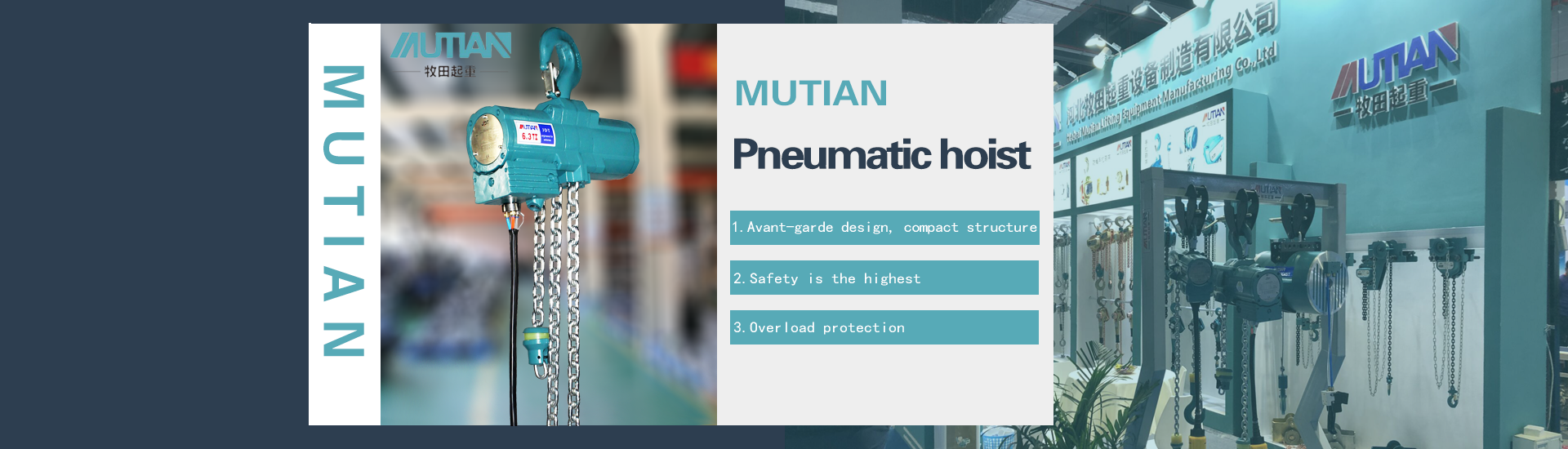
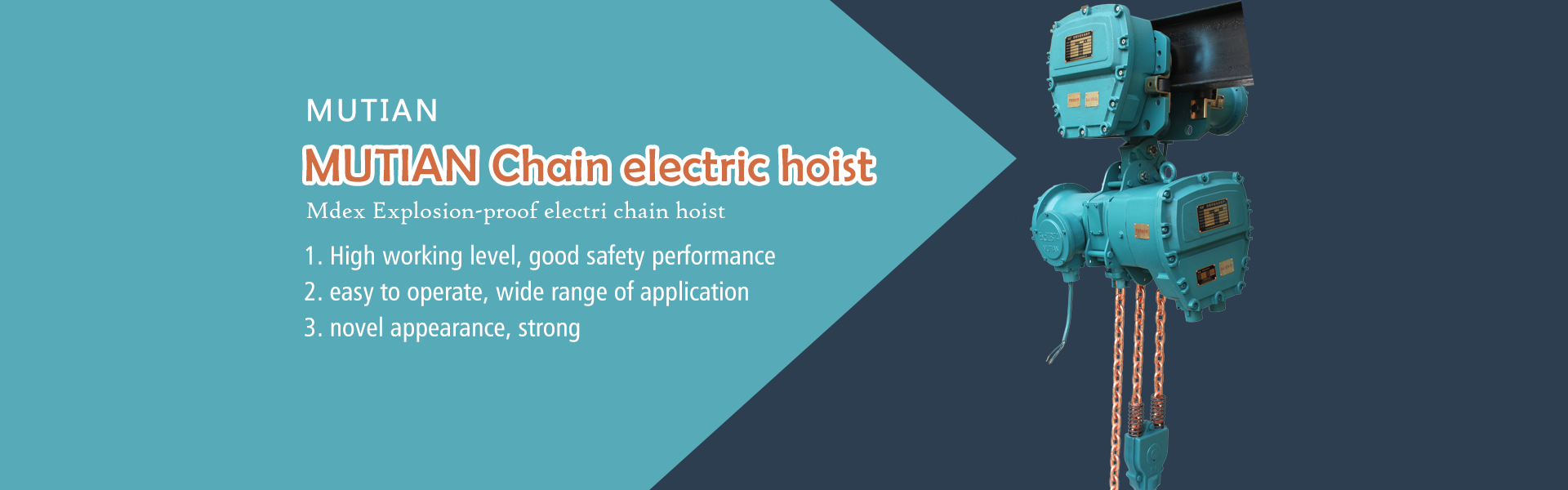
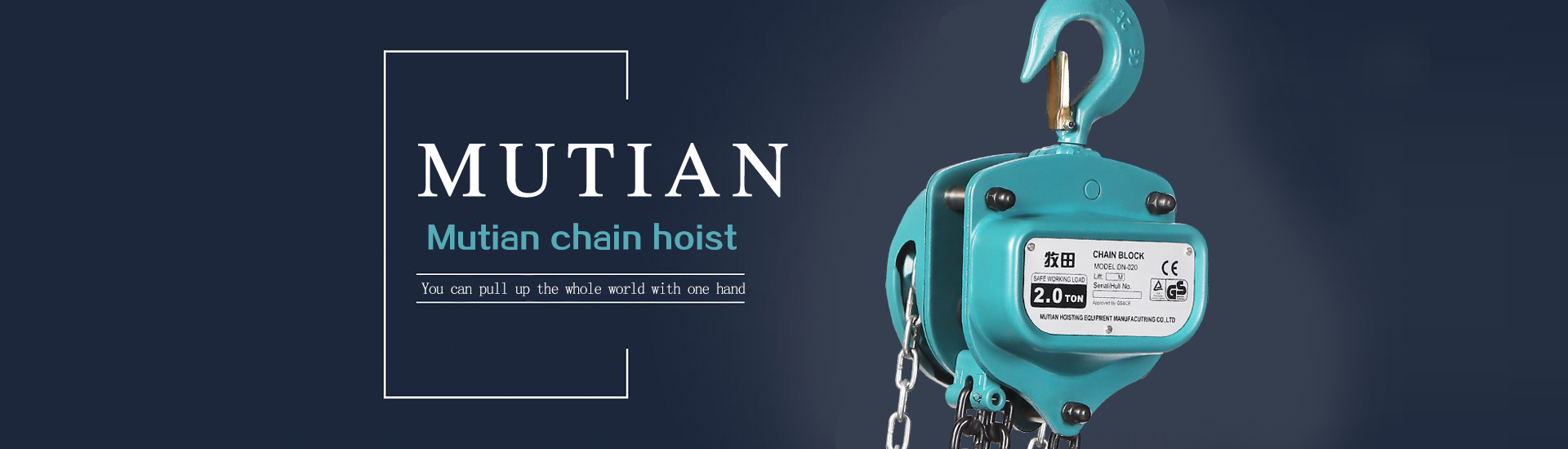
The main equipment produced by Hebei Makita: stage electric hoist, electric chian hoist, wire rope electric hoist,Hand chain hoist, lever hoist, pneumatic hoist and other lifting equipment
 phone
phone
 service
 message
 e-mail
