 中文版
中文版





releaseTime:2025-08-30 09:55:42source:Mu TiannumberOfPageViews:0
When using hydraulic forklifts, ensuring safety and optimal performance requires attention to several key aspects, including pre-use inspections, operational practices, maintenance routines, environmental considerations, and safety protocols. Here’s a detailed breakdown of what to focus on:
1. Pre-Use Inspection
Hydraulic System Check:
Inspect for leaks in hoses, cylinders, or connections. Leaks can lead to pressure loss, reduced lifting capacity, or sudden equipment failure.
Verify hydraulic fluid levels and check for contamination (e.g., water, debris). Low or dirty fluid can damage components.
Test the relief valve to ensure it activates at the correct pressure, preventing overload damage.
Structural Integrity:
Examine the forks, mast, and carriage for cracks, bends, or excessive wear. Damaged parts can compromise lifting stability.
Check tires for proper inflation and tread condition. Underinflated or worn tires reduce traction and maneuverability.
Safety Devices:
Ensure load backrest extensions are secure and functional to prevent loads from shifting backward.
Test brakes, steering, and horn for responsiveness. Faulty controls can lead to accidents.
2. Operational Practices
Load Handling:
Center the load on the forks to maintain balance. Off-center loads can cause tipping.
Avoid overloading the forklift beyond its rated capacity. Overloading strains the hydraulic system and risks structural failure.
Use slow, controlled movements when lifting or lowering loads. Sudden actions can destabilize the forklift or damage goods.
Maneuvering:
Drive at safe speeds, especially in congested areas. High speeds reduce reaction time and increase stopping distance.
Turn cautiously, keeping the load low to prevent tipping. Wide turns are safer than sharp ones.
Avoid slopes or uneven surfaces when carrying heavy loads. If unavoidable, drive uphill with the load forward and downhill in reverse.
Visibility and Communication:
Maintain clear visibility of the path ahead. Use a spotter if obstructions (e.g., large loads) block your view.
Sound the horn at intersections or blind spots to alert pedestrians or other vehicles.
3. Maintenance Routines
Regular Lubrication:
Lubricate pivot points, chains, and bearings as per the manufacturer’s schedule to reduce friction and wear.
Filter Replacement:
Change hydraulic filters periodically to prevent contaminants from entering the system, which can cause component failure.
Battery Care (for electric models):
Keep battery terminals clean and check electrolyte levels (if applicable). Corrosion or low levels can reduce performance.
Charge batteries only when needed and avoid overcharging to prolong lifespan.
Storage:
Park the forklift on level ground with the forks lowered to the ground. Engage the parking brake and turn off the engine (or power for electric models).
Store in a dry, covered area to protect against corrosion and environmental damage.
4. Environmental Considerations
Temperature Extremes:
In cold environments, use hydraulic fluid rated for low temperatures to prevent thickening, which can slow system response.
In hot environments, ensure proper ventilation to prevent overheating of the hydraulic system or battery (for electric models).
Hazardous Materials:
Avoid using hydraulic forklifts in flammable or explosive atmospheres unless they are specifically rated for such conditions (e.g., explosion-proof models).
Clean spills immediately to prevent slips or chemical exposure.
5. Safety Protocols
Personal Protective Equipment (PPE):
Operators should wear steel-toed boots, high-visibility vests, and gloves for protection against falling loads or moving parts.
Training and Certification:
Ensure operators are trained and certified in forklift operation, including hydraulic system basics and emergency procedures.
Emergency Preparedness:
Know how to lower the forks manually in case of hydraulic failure.
Keep a fire extinguisher nearby (especially for internal combustion models) and know how to use it.
6. Common Mistakes to Avoid
Never modify the forklift (e.g., welding, cutting) without manufacturer approval, as this can compromise safety.
Do not use the forks as a lever to pry objects open, as this can damage the mast or hydraulics.
Avoid “riding” the forklift by standing on the forks or using it as a personnel lift unless equipped with a proper platform.
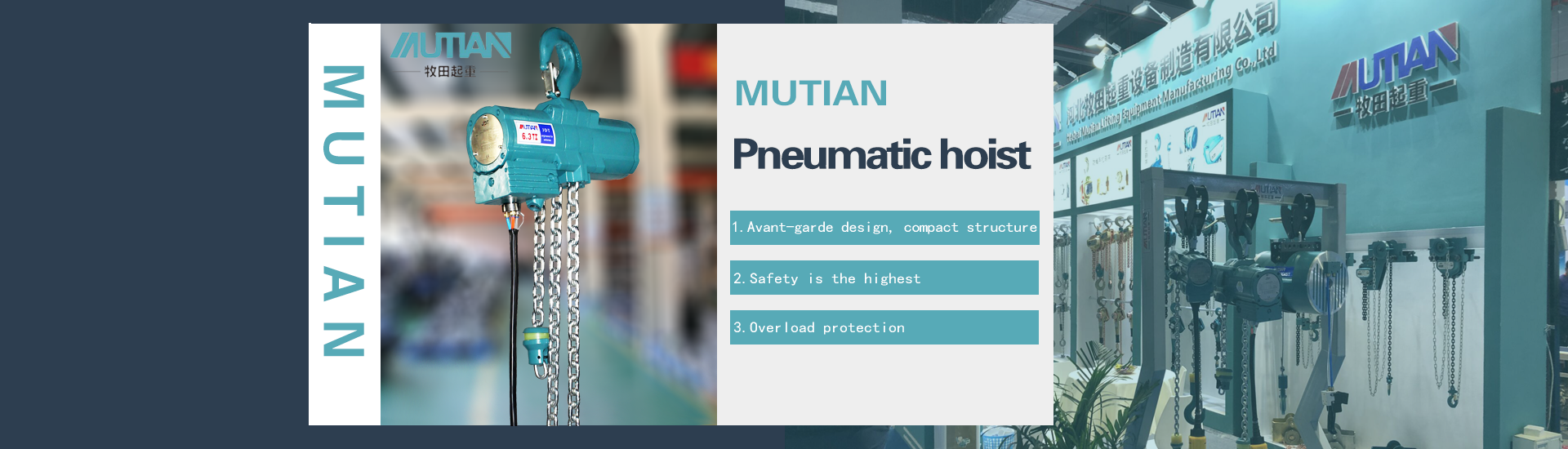
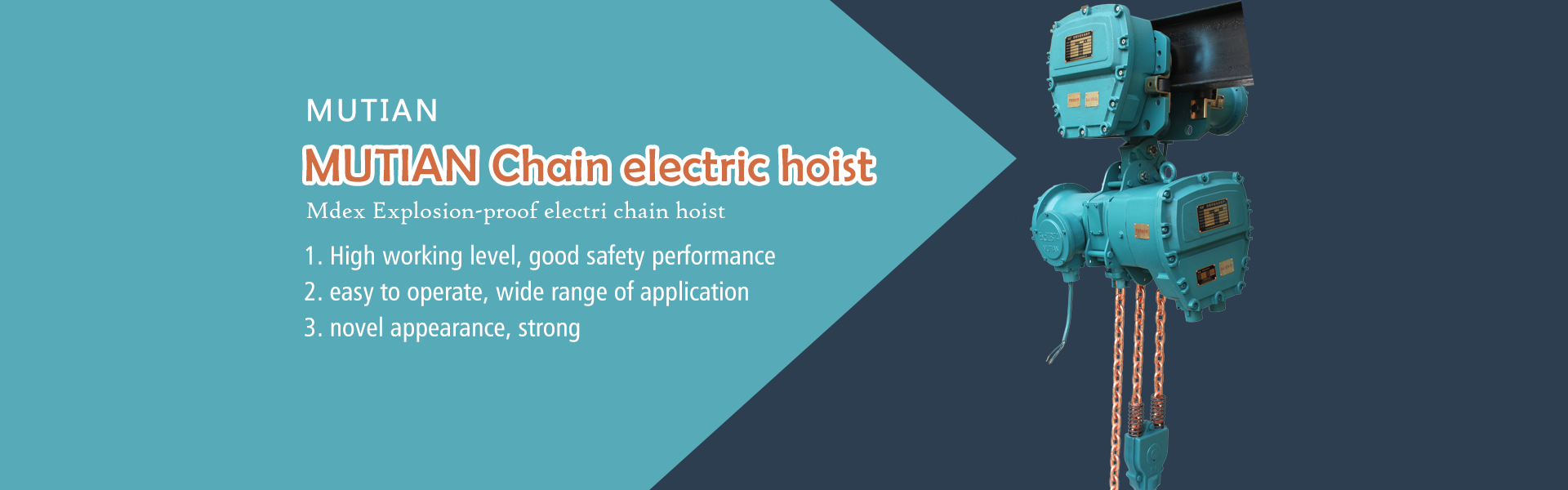
The main equipment produced by Hebei Makita: stage electric hoist, electric chian hoist, wire rope electric hoist,Hand chain hoist, lever hoist, pneumatic hoist and other lifting equipment
 phone
phone
 service
 message
 e-mail
