 中文版
中文版





releaseTime:2026-01-13 09:05:53source:Mu TiannumberOfPageViews:0
When installing a chain hoist, adhering to precise safety precautions is critical to ensure operational reliability, prevent accidents, and comply with regulatory standards. Below is a structured guide based on industry best practices, manufacturer guidelines, and OSHA/ASME standards:
1. Structural & Site Preparation
Support Structure Stability: The mounting point (e.g., beam, trolley, or crane) must be rated to handle the hoist’s rated capacity + dynamic loads (e.g., shock loads during starts/stops). Verify structural integrity via engineering calculations or manufacturer specifications.
Site Clearance: Ensure adequate headroom, hook travel, and operating space. Remove debris, obstacles, or utilities (e.g., power lines) that could interfere with operations.
Environmental Adaptation: Install in dry, clean areas to prevent corrosion. For corrosive/food-grade environments, use stainless steel chains, corrosion-resistant coatings, or sealed gearboxes. Avoid wet/humid areas unless the hoist is specifically rated for such conditions.
2. Professional Installation & Training
Qualified Personnel: Installation must be performed by trained professionals familiar with the hoist’s operating manual, safety protocols, and local regulations (e.g., OSHA 1910.179, ASME B30.16).
Operator Training: Operators must be certified in hoist operation, load handling, emergency procedures (e.g., brake failure response), and signal communication (e.g., hand signals for team lifting).
3. Electrical Safety (Electric Hoists)
Wiring Compliance: Follow the manufacturer’s wiring diagram. Ensure voltage, phase, and frequency match facility specifications. Comply with OSHA electrical safety rules and the National Electrical Code (NEC).
Grounding & Protection: Properly ground the hoist and use circuit breakers/fuses to prevent electrical faults. Inspect wires for damage before connection.
Control Testing: Test pendant/remote controls, limit switches (upper/lower), and emergency stop buttons for responsiveness.
4. Component Installation & Alignment
Hoist Alignment: Mount the hoist directly beneath the load path to avoid side loading. Misalignment can cause uneven stress on gears, chains, or bearings.
Secure Fastening: Torque bolts and attachments to manufacturer specifications. Use lock washers or thread-locking compounds to prevent loosening.
Chain & Hook Setup:
Ensure the load chain is properly seated in chain wheels/sprockets. Avoid kinks, twists, or binding.
Attach hooks with safety latches to prevent load detachment. Hooks should be rated for the load and deform plastically (not fracture) under overload.
Use a chain container to manage slack chain and prevent tripping hazards.
5. Testing & Inspection Protocols
Pre-Use Inspection:
Visual Checks: Inspect chains for wear/corrosion, hooks for cracks/deformation, and brakes for responsiveness. Test hand chain movement (manual hoists) or motor operation (electric hoists).
Functional Tests: Lift the load slightly to confirm brake engagement and smooth operation. Test limit switches to prevent over-travel.
Load Testing: Conduct a rated load test (per ASME B30.16/HMI) to verify the hoist can lift and hold its rated capacity. Record test data for compliance.
Regular Inspections:
Daily: Visual checks of chain, hooks, and controls.
Monthly: Detailed inspection of gears, bearings, and brake systems.
Annually: Thorough examination by certified technicians to check internal components (e.g., gears, bearings) for wear/fatigue.
6. Safety Devices & Operational Rules
Brake Systems: Ensure automatic engagement (friction/electromagnetic) and fail-safe design (engages during power loss). Test brake responsiveness regularly.
Overload Protection: Use shear pins, torque limiters, or electronic sensors to halt operation if loads exceed rated capacity.
Operational Restrictions:
Never exceed the rated load. Avoid lifting people, lifting over people, or leaving suspended loads unattended.
Keep the load centered under the hoist to prevent side loading. Avoid swinging the load or hook.
Do not use limit switches as routine stops (they are emergency devices only).
7. Maintenance & Lubrication
Lubrication: Regularly lubricate chains, gears, and bearings per manufacturer recommendations (e.g., high-temperature grease for gears). Avoid over-lubricating brakes.
Component Replacement: Replace worn parts (e.g., chains, gears) with manufacturer-approved components. Keep detailed maintenance records.
Corrosion Prevention: Clean the hoist regularly to remove dust, debris, or weld spatter. Use rust inhibitors in corrosive environments.
8. Compliance with Standards
Regulatory Adherence: Follow OSHA 1910.179 (cranes/hoists), ASME B30.16 (overhead hoists), ANSI E1.6-3 (entertainment rigging), and ISO 12480 (safe use of cranes).
Documentation: Maintain records of inspections, load tests, and maintenance for regulatory audits and liability protection.
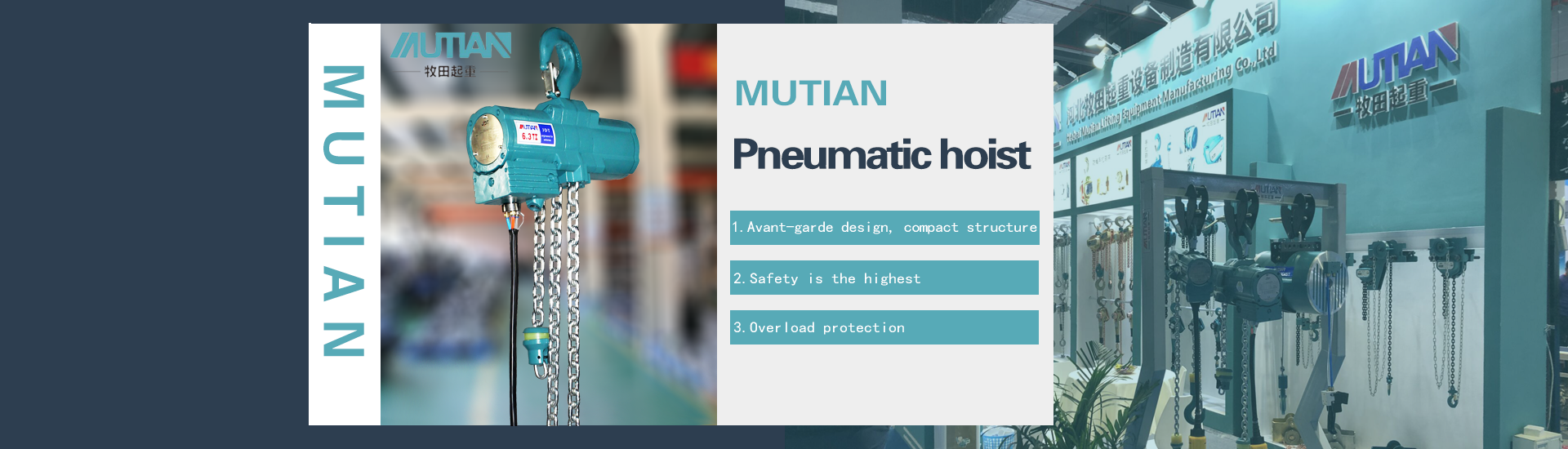
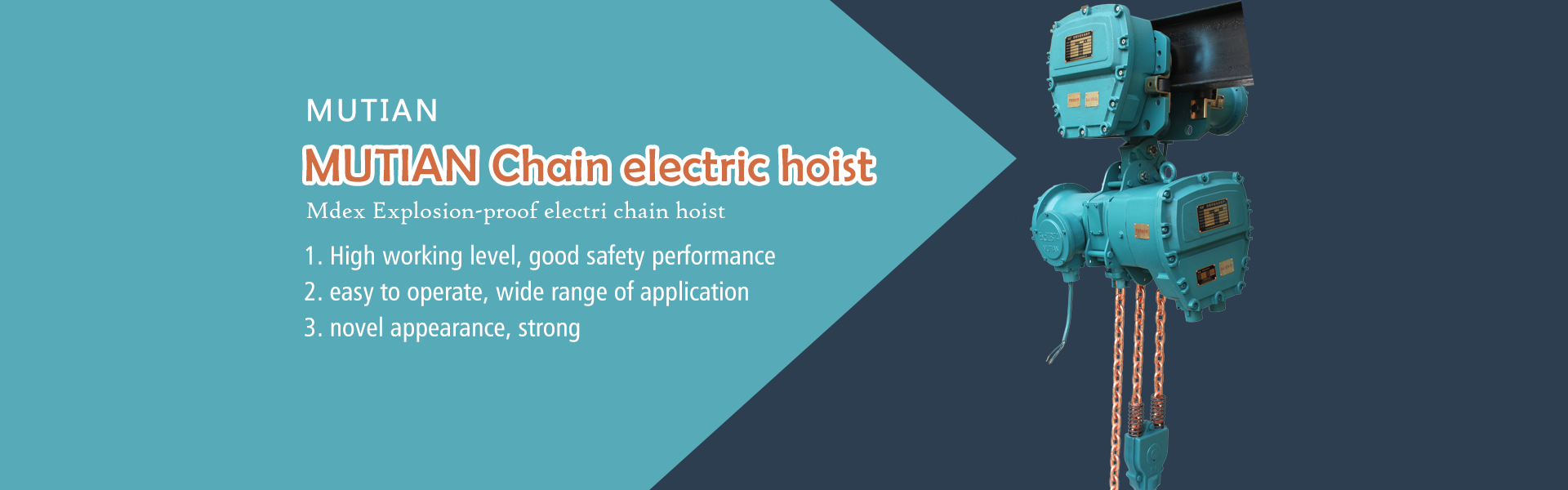
The main equipment produced by Hebei Makita: stage electric hoist, electric chian hoist, wire rope electric hoist,Hand chain hoist, lever hoist, pneumatic hoist and other lifting equipment
 phone
phone
 service
 message
 e-mail
